Partners in Preparedness

Red Cross, Dominion Team Up to Distribute Emergency Preparedness Kits

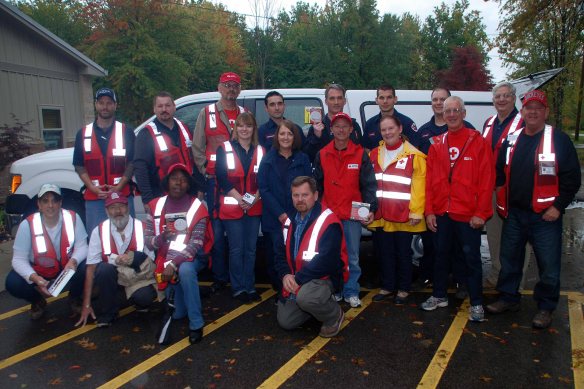
It was no April Fool’s joke; we were really giving away Emergency Kits, sponsored by Dominion East Ohio, to help prepare people for potential disasters on Saturday, April 1st, at eight locations throughout Northeast Ohio.

About 4,000 kits were distributed, free of charge, to people who took the time to determine how much they knew about being prepared for emergencies, as spring storm season approaches.

John Gareis, Regional Manager, Preparedness and Community Planning, said, “With everyone’s efforts, we were able to touch the lives of nearly 4,000 families; 8,330 individuals – including 3,048 children; an increase of 1,382 lives touched over 2016’s very successful event.”

Residents received free Emergency Kits and timely preparedness information at Starwood Great Northern Mall and Starwood South Park Mall in Cuyahoga County, Starwood Belden Village Mall in Canton, New Towne Mall in New Philadelphia, Eastwood Mall in Niles, and at Walmart stores in Ashtabula, Wooster and Stow.

See our photo gallery from Red Cross/Dominion Preparedness Day here.

Be Prepared for Spring Weather

Thunderstorms, Tornadoes, Flooding All Threats

Spring can be a time for devastating weather. It is the peak time of year for tornadoes, flooding, thunderstorms and other severe weather.

The American Red Cross wants everyone to know what steps they can take to stay safe if dangerous weather is predicted for their community.

Prepare

  • Get a Kit. Make a Plan. Be informed.  See the Be Red Cross Ready Checklist
  • If you or a member of your household is an individual with access or functional needs, including a disability, consider developing a comprehensive evacuation plan in advance with family, care providers and care attendants, as appropriate. Complete a personal assessment of functional abilities and possible needs during and after an emergency or disaster situation, and create a personal support network to assist.

Tornado Safety

Southern Tornadoes and Storms 2017

Tornado devastation in Albany, Georgia, January 2017. Photo credit: Daniel Cima for the American Red Cross

Spring can be the peak season for tornado activity. Tornadoes occur mostly on warm spring days between 3:00 and 9:00 p.m. However, tornadoes can occur anywhere, at any time of the year, at any time of the day. The Red Cross has safety steps people should take now to be ready if a tornado warning is issued for someone’s neighborhood:

What should I do to prepare for a tornado?

  • Know the Difference
    • Tornado Watch – Tornadoes are possible in and near the watch area. Review and discuss your emergency plans, and check supplies and your safe room. Be ready to act quickly if a warning is issued or you suspect a tornado is approaching. Acting early helps to save lives!
    • Tornado Warning – A tornado has been sighted or indicated by weather radar. Tornado warnings indicate imminent danger to life and property. Go immediately underground to a basement, storm cellar or an interior room (closet, hallway or bathroom).
  • During any storm, listen to local news or a NOAA Weather Radio to stay informed about tornado watches and warnings.
  • Know your community’s warning system. Communities have different ways of warning residents about tornadoes, with many having sirens intended for outdoor warning purposes.
  • Pick a safe room in your home where household members and pets may gather during a tornado. This should be a basement, storm cellar or an interior room on the lowest floor with no windows.
  • Practice periodic tornado drills so that everyone knows what to do if a tornado is approaching.
  • Consider having your safe room reinforced. Plans for reinforcing an interior room to provide better protection can be found on the FEMA web site
  • Prepare for high winds by removing diseased and damaged limbs from trees.
  • Move or secure lawn furniture, trash cans, hanging plants or anything else that can be picked up by the wind and become a projectile.
  • Watch for tornado danger signs:
    • Dark, often greenish clouds – a phenomenon caused by hail
    • Wall cloud – an isolated lowering of the base of a thunderstorm
    • Cloud of debris
    • Large hail
    • Funnel cloud – a visible rotating extension of the cloud base
    • Roaring noise

What to Do During a Tornado

  • The safest place to be is an underground shelter, basement or safe room.
  • If no underground shelter or safe room is available, a small, windowless interior room or hallway on the lowest level of a sturdy building is the safest alternative.
    • Mobile homes are not safe during tornadoes or other severe winds.
    • Do not seek shelter in a hallway or bathroom of a mobile home.
    • If you have access to a sturdy shelter or a vehicle, abandon your mobile home immediately.
    • Go to the nearest sturdy building or shelter immediately, using your seat belt if driving.
    • Do not wait until you see the tornado.
  • If you are caught outdoors, seek shelter in a basement, shelter or sturdy building. If you cannot quickly walk to a shelter:
    • Immediately get into a vehicle and try to drive to the closest sturdy shelter. Remember to buckle your seat belt and drive at right angles to the storm movement to get out of its path.
    • Stay away from bridge/highway overpasses.
    • If strong winds and flying debris occurs while driving, pull over and park, keeping your seat belt on and engine running. Put your head down below the windows, covering your head with your hands and a blanket (if available).

Thunderstorm Safety

Icon Disaster

Thunderstorms are most likely to happen in the spring and summer, during the afternoon and evening. However, like tornadoes, they can happen anywhere, at any hour of the day. A thunderstorm is considered severe if it produces hail at least 1 inch in diameter or has wind gusts of at least 58 miles per hour. Every thunderstorm produces lightning, which kills more people each year than tornadoes or hurricanes. Heavy rain from thunderstorms can cause flash flooding and high winds can damage homes and blow down trees and utility poles, causing widespread power outages. The Red Cross has steps you can take if a severe thunderstorm is predicted for your area:

  • Listen to local news or NOAA Weather Radio for emergency updates. Watch for signs of a storm, like darkening skies, lightning flashes or increasing wind.
  • Postpone outdoor activities if thunderstorms are likely to occur. Many people struck by lightning are not in the area where rain is occurring.
  • If a severe thunderstorm warning is issued, take shelter in a substantial building or in a vehicle with the windows closed. Get out of mobile homes that can blow over in high winds.
  • If you can hear thunder, you are close enough to be in danger from lightning. If thunder roars, go indoors! The National Weather Service recommends staying inside for at least 30 minutes after the last thunder clap.
  • Avoid electrical equipment and telephones. Use battery-powered TVs and radios instead.
  • Shutter windows and close outside doors securely. Keep away from windows.
  • Do not take a bath or shower or use plumbing.
  • If you are driving, try to safely exit the roadway and park. Stay in the vehicle and turn on the emergency flashers until the heavy rain ends. Avoid touching metal or other surfaces that conduct electricity in and outside the vehicle.
  • If you are outside and cannot reach a safe building, avoid high ground, water, tall, isolated trees, and metal objects, such as fences or bleachers. Picnic shelters, dugouts, and sheds are NOT safe.

Flood Safety

dsc_6818

Spring can be a time of year for flooding. Floods are among the most frequent and costly natural disasters. Conditions that cause floods include heavy or steady rain for several hours or days that saturates the ground. Flash floods occur suddenly due to rapidly rising water along a stream or low-lying area. People should be prepared to evacuate at a moment’s notice and head for higher ground when a flood or flash flood warning is issued. Other safety steps include:

  • Listen to area radio and television stations and a NOAA Weather Radio for possible flood warnings and reports of flooding in progress or other critical information from the National Weather Service (NWS).
  • Be prepared to evacuate at a moment’s notice.
  • When a flood or flash flood warning is issued for your area, head for higher ground and stay there.
  • Turn Around, Don’t Drown! Stay away from floodwaters. Just 6 inches of moving water can knock you down, and less than 2 feet of water can sweep your vehicle away.
    • If you come upon a flowing stream where water is above your ankles, stop, turn around and go another way. Six inches of swiftly moving water can sweep you off of your feet.
    • If you come upon a flooded road while driving, turn around and go another way. If you are caught on a flooded road and waters are rising rapidly around you, get out of the car quickly and move to higher ground. Most cars can be swept away by less than two feet of moving water.
  • Keep children out of the water. They are curious and often lack judgment about running water or contaminated water.
  • Be especially cautious at night when it is harder to recognize flood danger.

Magics Learn Disaster Safety

Hurricane Season begins June 1.

And while that usually (usually!) isn’t a major factor when planning for Northeast Ohio weather, we do have plenty of disasters that we need to be aware of and plan for, here in NEO.

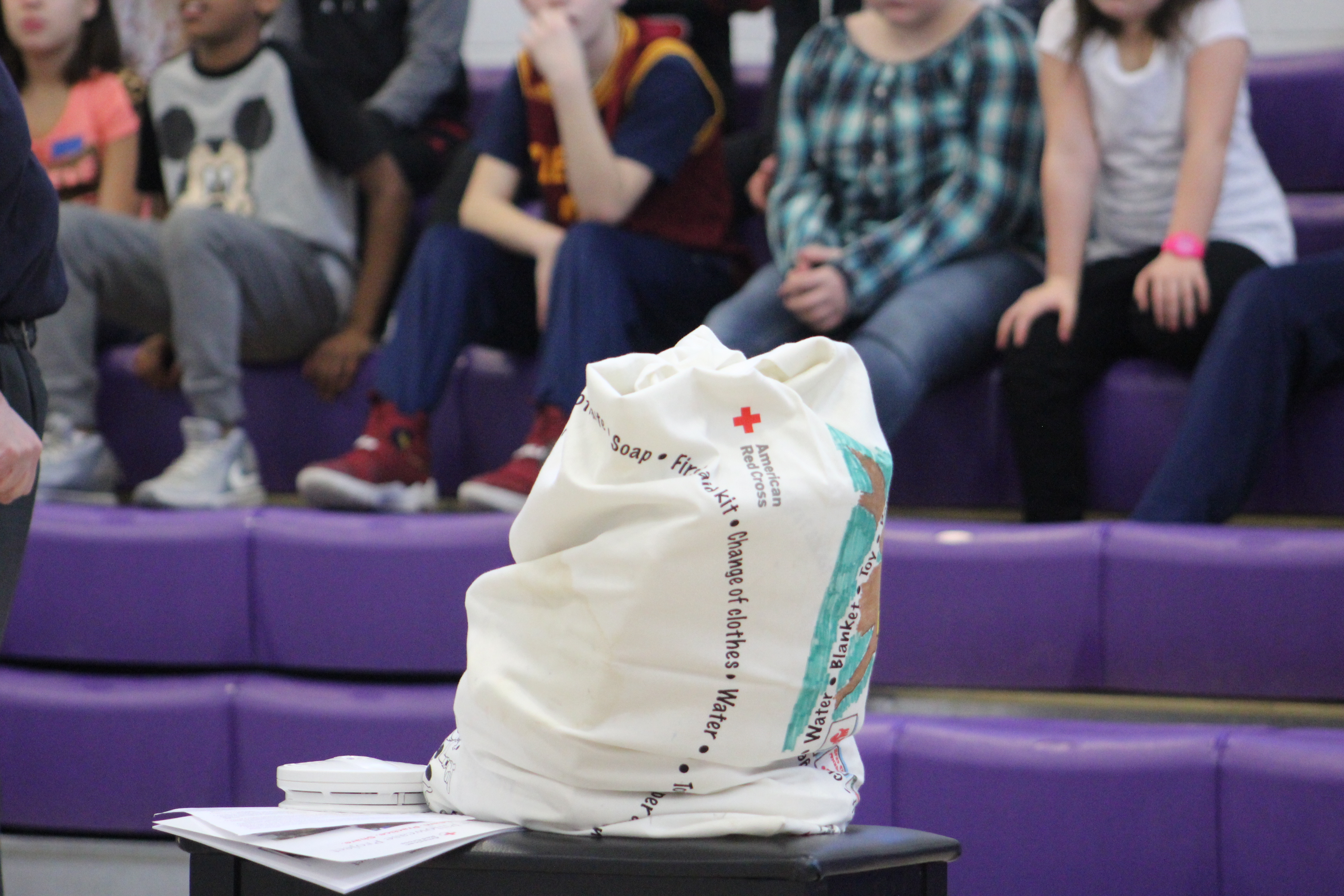
To that end, the Red Cross continues to help children in our communities learn about disasters that can (and do!) happen in NEO through our Pillowcase Project.

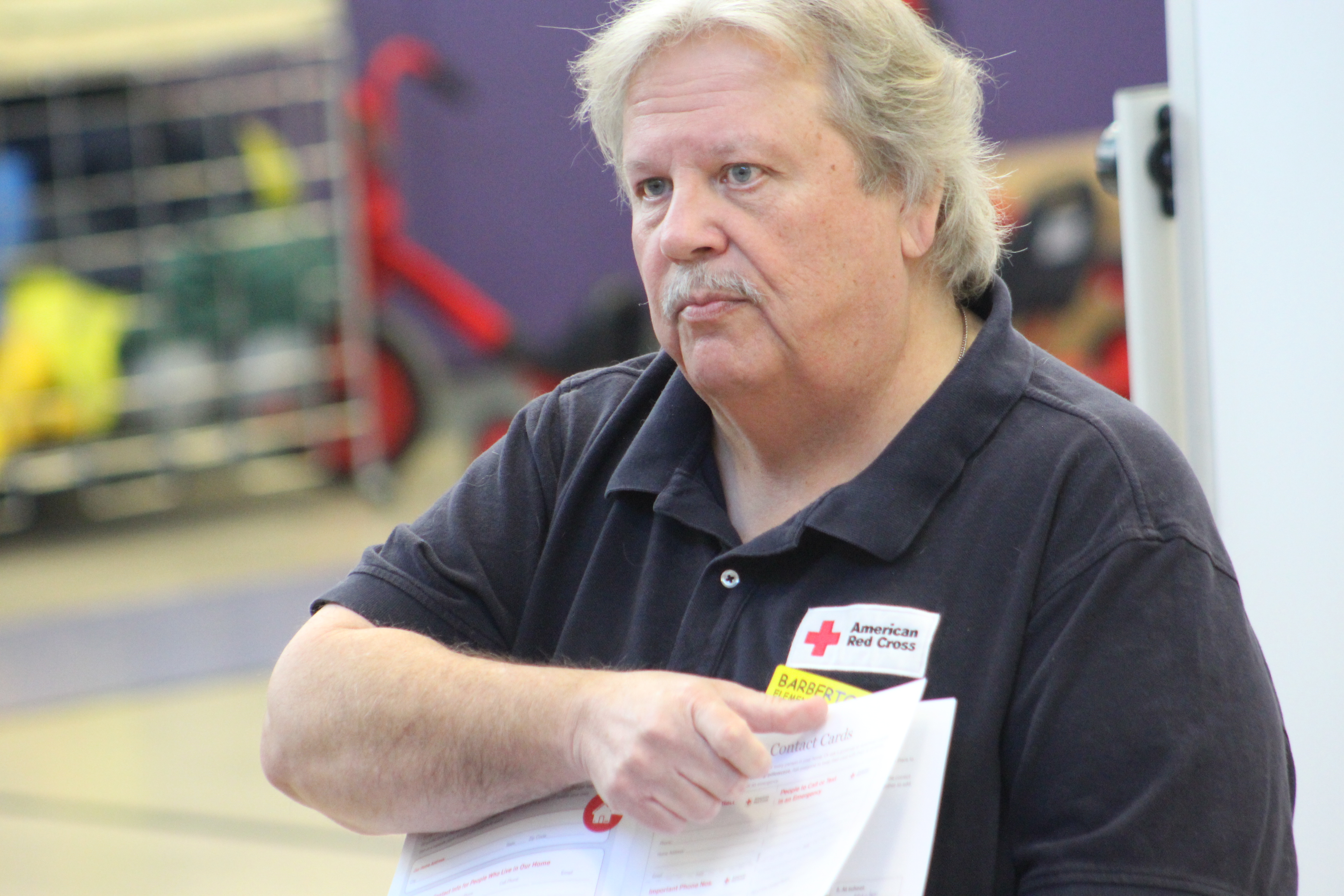
Nearly 300 students at Barberton Elementary School West had the opportunity to learn more about home fire safety and winter weather safety when kids from third to fifth grade participated in the program in February.

The volunteer team leading the education portion included members of the Advancement to Nursing program, high school students from Barberton and the surrounding communities.

To learn more about how to host the Pillowcase Program at your school, click here.

Smoke Alarm Goal Achieved: More Than 10,000 Installed So Far

Mission accomplished.

For the second year in a row, the Northeast Ohio Region has reached the goal set for the number of smoke alarm installations in homes throughout our communities.

And there are still nearly four months to go before the close of the fiscal year, June 30th.

The goal was 10,000 smoke alarms.  As of Monday, March 6, Red Cross workers, volunteers and community partners had installed more than 10,100.  “While we continue to seek our own internal goal of exceeding our installation totals from last year (approximately 13,000) we still must take a moment to recognize all of the hard work that has gone into achieving the national target at this point in FY 2017,” Regional Disaster Officer Tim O’Toole wrote in a message to the Northeast Ohio staff.  “As one of the smallest regions in the nation we still are among the leaders in this effort.

The annoncement couldn’t come at a better time: this weekend, we are urged to TEST our smoke alarms as we TURN our clocks ahead for Daylight Saving Time.  It’s also a good time to take these steps to make sure our households are prepared for emergencies:

  • Install smoke alarms. If someone doesn’t have smoke alarms, they should install them. At a minimum, put one on every level of the home, inside bedrooms and outside sleeping areas. Check local building codes for additional requirements.
  • Practice an escape plan. Make sure everyone in the household knows how to get out of every room and how to get out of the home in less than two minutes.
  • Get a kit. Keep disaster supplies in an easy-to-carry bag to use at home or if ordered to evacuate.
  • Make a plan. Have all household members plan what steps they should take if an emergency occurs.
  • Be informed. Learn what emergencies can occur in the area and how officials notify residents should a disaster occur.

The installation of smoke alarms is just one part of the Operation Save-A-Life  campaign. Providing free home fire safety inspections and disseminating valuable fire safety information are also critical components.  And volunteers perform the majority of the work involved in making our communities safer.

You can volunteer to help the red Cross make our communities safer at redcross.org/neo, where you can also apply for a home fire safety inspection and free smoke alarm installation.

The fiscal year ends on June 30th.  We’ll let you know how many MORE smoke alarms our volunteers, staff and partners are able to install by then.

Stay tuned.


Operation Save-A-Life Lives Up to its Name, Again and Again

More Lives Saved Across the Country Thanks to Smoke Alarms, Education

159.  That is the number of documented lives saved as of the close of 2016, thanks to the Home Fire Campaign, which the Red Cross rolled out nationwide in 2014.

The campaign is modeled after Operation Save-A-Life, which began as a partnership between the Cleveland Fire Department and the Greater Cleveland Chapter of the Red Cross in 1992.

The 25th anniversary of Operation Save-A Life will be recognized at the 2017 Red Cross Fire and Ice Ball, which takes place on March 25 at the Intercontinental Hotel in Cleveland.
Together with corporations, community groups and other partners, the Red Cross provides residents with valuable fire safety information and installs free smoke alarms in homes where they are needed.32318085516_522639e1c2_z

“Thanks to the tireless work of our volunteers, employees, local fire departments, and other partners in the Home Fire Campaign, today we celebrate 159 documents lives saved,” said Harvey Johnson, Senior Vice President, Disaster Cycle Services.

Partners helping the Red Cross achieve its goal of reducing deaths and injury due to home fires by 25% range from the employees of Lincoln Electric to a group of missionaries from the Akron Stake of the Church of  Jesus Christ of Latter Day Saints.  Eight elders of the  church recently installed 60 alarms in the homes of people in need.

“The group is very dedicated, said Debbie Chitester, Disaster Program Manager for the Summit, Portage, and Medina Counties Chapter.  “I have worked with missionaries on disaster operations across the country. They always come through for us and the people we serve.”

Your group can be a part of Operation Save-A-Life in Northeast Ohio by sponsoring a smoke alarm installation project.  Log onto redcross.org/neoosal, and click on your county to register.

The smoke alarms you install could be the next ones that save a life.

The Globetrotters and the Great Assist

Legendary Basketball Heroes Provide Help and Hope in the Face of Disasters

When you’re 6’ 8” tall, you don’t need a ladder to install a smoke alarm.

Unless your ceilings are REALLY high.

img_3217

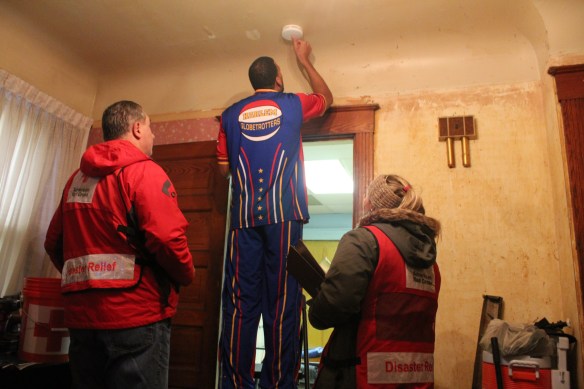
Harlem Globetrotters forward Zeus McClurkin installs a smoke alarm in a home on Lawnview Avenue in Cleveland, as Regional CEO Mike Parks and Disaster Program Specialist Emily Probst observe.  Photo credit: Jim McIntyre/American Red Cross

Zeus McClurkin, a forward for the Harlem Globetrotters,  accompanied Regional CEO Mike Parks and other Red Cross workers and firefighters from the Cleveland Fire Department on Monday, December 12 to install smoke alarms in homes on Lawnview Avenue.

Residents who live in 25 homes in Cleveland’s Hough neighborhood are now safer, after Zeus and the rest of the volunteers installed 75 smoke alarms.

“Having working smoke alarms cuts the risk of injury or death in a home fire in half,” said the eight-year veteran of the team.  “I’m happy to help the Red Cross with this lifesaving mission.”

Since 2014, the Red Cross has installed more than 500,000 smoke alarms nationwide. Nearly 13,000 smoke alarms were installed in Northeast Ohio last year. Together with the Harlem Globetrotters,  local fire departments and other community partners, our goal is to install our one millionth smoke alarm by October 2017 to help Americans stay safer from home fires.

Every eight minutes, the American Red Cross responds to a disaster, most of which are home fires, which claim more lives annually than all major disasters combined. The Red Cross and the Harlem Globetrotters have teamed up through The Great Assist initiative to help communities across America to prepare for, respond to, and recover from disasters big and small. Join with us as we raise urgently needed funds to support families during times of crisis throughout the year. Your donation can bring help and hope to those who need it most. Text ASSIST to 90999 to make a $10 donation now that will truly make a difference.

The Globetrotters played 2 games at Quicken Loans Arena on December 27th.

In addition, the team played at the Canton Civic Center  on January 27, and at the Covelli Center in Youngstown on January 28.


Be Prepared for Winter Weather

It’s Winter Safety Awareness Week

We have experienced mild autumn weather this year, but if you have spent any amount of time at all in Northeast Ohio, you know the snow could start to fly any day. And forecasters are predicting colder temperatures and more snow for the Great Lakes area this winter, thanks to La Nina. It’s not too early to be prepared for the winter weather ahead, and Governor John Kasich is promoting Winter Safety Awareness Week, Nov. 13-19, encouraging households and businesses to update their safety plans, replenish their disaster supply kits, and prepare themselves, their vehicles and their property for winter-related incidents.

B2p4ClUCIAAmRsq

Freshly fallen snow on the trees (and power lines) of a Northeast Ohio neighborhood.

Be Informed

Know the difference between advisories, watches and warnings.

Advisory: Winter weather conditions are expected to cause significant inconvenience and may be hazardous. When caution is used, these situations should not be life threatening.

Watch: Winter storm conditions are possible within the next 36 to 48 hours. People in a watch area should review their winter storm plans and stay informed about weather conditions.

Warning: Life-threatening, severe winter conditions have begun or will begin within 24 hours. People in a warning area should take precautions immediately.

Here’s a good rule of thumb: when in doubt, don’t go out.  Minimize travel outdoors. If travel is necessary, keep a disaster supplies kit in your vehicle.  Emergency kits are available in the Red Cross store.

Your emergency kit for your car should include:

  1. Flashlight with extra batteries
  2. An extra Cell Phone Car Charger
  3. Blanket and/or emergency Mylar blanket
  4. Fleece Hat, Gloves, Scarf (one set for each traveler)
  5. Flares
  6. Folding Shovel
  7. Sand or Cat Litter
  8. Ice Scraper and Snow Brush
  9. First-Aid Kit
  10. Small battery-operated radio
  11. Emergency contact card with names and phone numbers
  12. Extra prescription medications
  13. Bottled Water (4 quarts per traveler – don’t forget pets!)
  14. High protein snacks such as nuts and energy bars; canned fruit and a portable can opener
  15. Maps
  16. Whistle
  17. Baby formula and diapers if you have a small child
  18. A baggie of pet food, if you frequently travel with your four-legged friend

Visit redcross.org for more information on how to make an emergency kit, and keep yourself and your loved ones safe and warm this winter.

Parma Neighborhood Now Better Protected from Home Fires

Fire Walk

Photos provided by Cal Pusateri/American Red Cross Volunteer

Smoke Alarms Installed in Dozens of Homes

While many of us were preparing to “Turn and Test”…turn our clocks back an hour, and test our smoke alarms on Saturday, November 5, the last day of Daylight Savings Time for 2016, several Parma residents got new smoke alarms installed in their homes.Fire Walk

The Red Cross and its partners with the Parma Fire Department and Parma CERT (Community Emergency Response Teams) visited 38 homes, and installed 116 smoke alarms that day as part of Operation Save-A-Life.

Residents were also given valuable fire safety information, including ways to develop escape plans in the event of a home fire.

Last year, the Red Cross and its partners installed almost 13,000 smoke alarms in homes throughout the Northeast Ohio Region.

If you would like to help the Red Cross make Northeast Ohio a safer place to live by partnering with us to install smoke alarms, or if you need smoke alarms in your home, visit our Operation Save-A-Life page at redcross.org/neoosal.

Ashtabula Residents Get Free Smoke Alarms for Their Homes

Ashtabula Fire Department, Aqua Ohio Workers Help Red Cross Make Neighborhoods Safer

Residents who live in close to 100 homes in Ashtabula now have working smoke alarms, thanks to the efforts of the Red Cross, the Ashtabula Fire Department and Aqua Ohio.

group-shot

More than 20 volunteers fanned out throughout Ashtabula on Thursday, October 20 to provide residents with fire safety information and to install, at no cost to the residents, smoke alarms featuring batteries with a 10-year lifespan.

“We urge residents to check the batteries in their smoke alarms, especially at this time of year, when we’re about to turn the clocks back,” said Karen Conklin, Executive Director of the Lake to River Chapter of the Red Cross. “And even if the batteries are good, if the alarm is more than 10 years old, it should be replaced because the sensors are out-of-date.”

Gary Offerdahl, the Red Cross volunteer who coordinated the installation event, called it a success. “We’re protecting more people from smoke and fire casualties and possibly fatalities, which is the motivating factor.”

install5

Ashtabula resident Carmen Rocco receives fire safety information in his home from a Red Cross volunteer on Octiber 20, 2016

Now in its second year, the Red Cross Home Fire Preparedness Campaign is meant to reduce the number of fatalities caused by home fires by 25% over a five year period.

The Red Cross has more smoke alarms to install, thanks in part to the generosity of the United Way of Ashtabula County and the Ashtabula Foundation.  Companies interested in helping make residents safer in their homes by allowing their employees to participate in similar smoke alarm installation events can call 866-319-7160.

Photo credit: Paul Wadowick/American Red Cross Volunteer

Northeast Ohio Natives Ride Out Hurricane Matthew in a Red Cross Shelter

People, Pets Provided with a Safe Place to Stay, Warm Meals to Eat


“I feel safe.”  Southport, North Carolina resident and Northeast Ohio native Sue Fogle made a point of seeking out Red Cross workers at the shelter at a shelter in Shallotte, North Carolina on Friday, October 7, 2016 to express her appreciation for the treatment she and her husband and son received from the Red Cross and its partners.

She and her husband Gary and son Randy were taking refuge from Hurricane Matthew at the storm bore down on the southeastern part of the state.

“It’s not like I’m living in the lap of luxury, but it’s more than I expected,” Sue said as she spoke with Red Cross volunteer Margo Smickles. She said she expected to sleep on the floor, and did not expect to be fed, but she and all the residents at the shelter received cots, blankets, and three warm meals a day during their stay.
sue-and-margo

In addition to the 120 people at the shelter, there were 12 dogs, 3 cats and two birds.  The animals were kept separate from the human population, in a room far from the sleeping area, and were monitored by Animal Protective Service Officers. Almost 100 residents stayed in the shelter Friday night, as strong winds and heavy bands of rain began to pound parts of southeastern North Carolina.  By mid-afternoon on Saturday, 120 residents were taking refuge at the shelter.  Many were drawn by the shelter’s long-running offer to house pets.

“It’s just something Animal Protective Services has been doing for a long time,” said Lori Bork, Shelter Manager. Other partners assisting the Red Cross with shelter operations included Brunswick County Social Services, Brunswick County Health and Human Services, the Brunswick County School District and the Brunswick County Sheriff’s office.

By Saturday morning, the Fogle family were among more than 18,000 people who woke up in 183 Red Cross and community evacuation shelters across four states, more than during the height of Superstorm Sandy.

img_2285

Sue and Gary Fogle

More than 2,200 trained disaster workers, including  more than two dozen from Northeast Ohio, were mobilized to respond to the needs of residents in the path of Hurricane Matthew. More volunteers are needed. If you are interested in helping the residents affected by Hurricane Matthew, click here.

The Red Cross also deployed 95 emergency response vehicles, 4 from Northeast Ohio, and pre-positioned 94 trailers stocked with relief supplies including water, ready-to-eat meals, cleaning items and comfort kits, insect repellent, gloves, masks, shovels, rakes, coolers and more. As soon as it is safe to do so, the Red Cross will be coordinating with partners to support people as they return home.

The Red Cross depends on donations to provide immediate relief to residents affected by disasters like Hurricane Matthew. If you’d like to help, visit redcross.org, or call 1-800-RED CROSS, or text the word MATTHEW to 90999 to make a $10 donation. Donations enable the Red Cross to prepare for, respond to and help people recover from this disaster.

Photo credit: Jim McIntyre/American Red Cross