Giving back this Good Neighbor Day

By Sam Pudelski, American Red Cross volunteer

National Good Neighbor Day is September 28, a day that celebrates our neighbors and encourages us to get to know our community better. Neighbors look out for one another and help each other out.

Good Neighbor Day was created in the 1970s in Lakeside, Montana, and President Jimmy Carter in 1978 proclaimed the day, saying: “Understanding, love and respect build cohesive families and communities. The same bonds cement our nation and the nations of the world. For most of us, this sense of community is nurtured and expressed in our neighborhoods where we give each other an opportunity to share and feel part of a larger family.”
Neighbors extend past the individuals who share a common wall or property line. At the American Red Cross, our communities are our neighbors. Whether they are next door or beyond, the Red Cross works to help and support individuals who are in need—after a disaster, when a blood donation is needed or preparing before the next disaster strikes.

This Good Neighbor Day, there are many ways you can give back to your Northern Ohio neighbors through the Red Cross.

  • Donate. There are different ways you can make a financial contribution to support the work of the Red Cross, both in your local community and around the world.
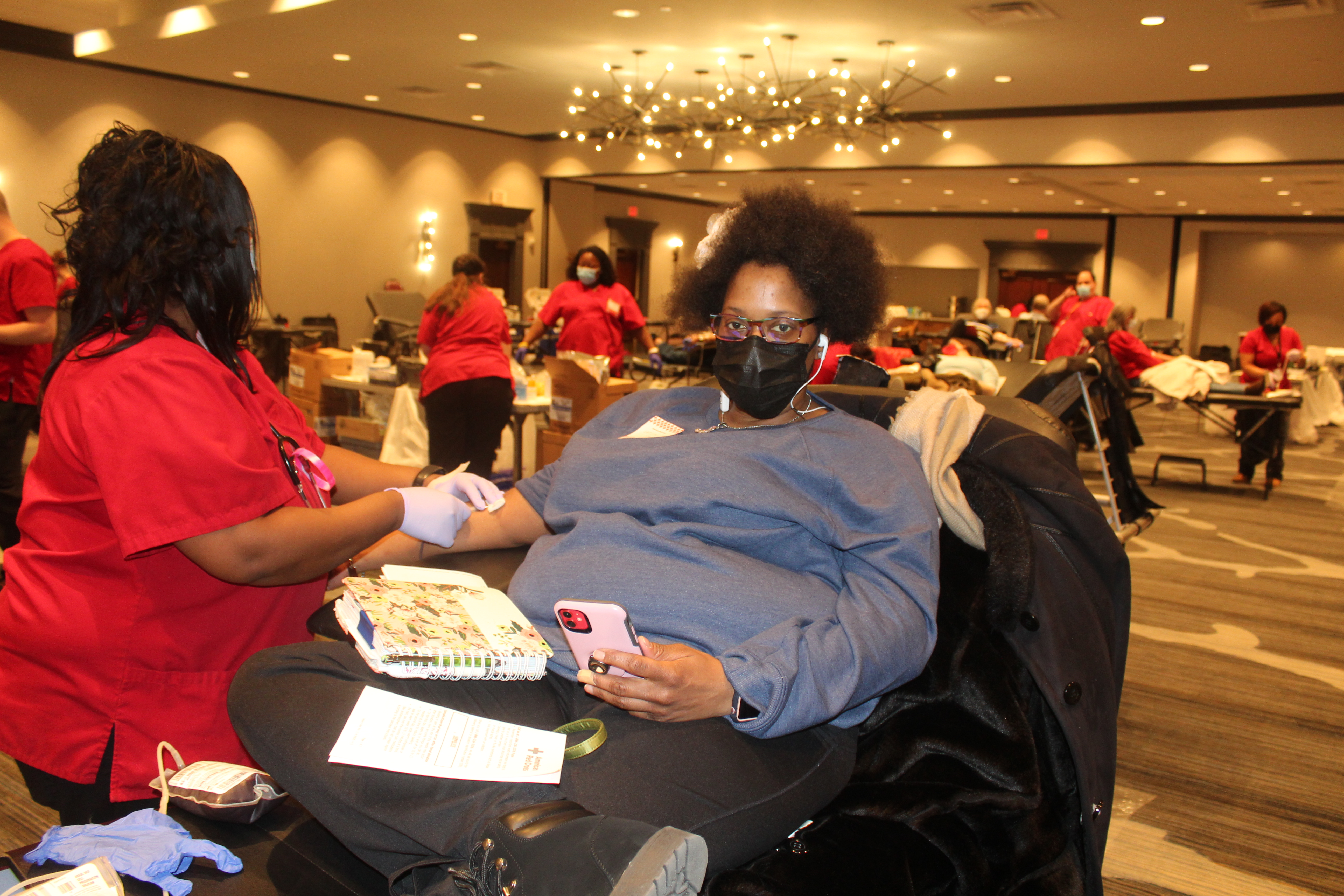
  • Give Blood. Donating blood is a simple thing you can do to help save lives. Blood donations help people going through cancer treatment, having surgery, who have chronic illnesses and those who experience traumatic injuries. The Red Cross holds blood drives across Northern Ohio every week. You can find and sign up for an upcoming blood drive here.
  • Volunteer. 90% of the Red Cross workforce are volunteers. There are a variety of volunteer opportunities available right here in our area. You can learn more and apply to be a volunteer in Northern Ohio here.
  • Learn a Lifesaving Skill. The Red Cross has been teaching emergency and safety training for more than a century. You can learn first aid, be trained in administering CPR or using an AED, to be prepared for when a need for these skills arises. You can review and sign up for a class here.

There are endless possibilities of ways you can be a good neighbor and help give back to the community. You never know how one small act of kindness can impact a neighbor near you.

Edited by Glenda Bogar, American Red Cross volunteer

Multiple weekend home fires keep Red Cross volunteers busy

Need for volunteers continues amidst busy disaster season

Disaster action team members from the American Red Cross Northern Ohio Region responded to nine local events over the weekend, all of them home fires. Several individuals were affected, including 30 adults and 7 children. The Red Cross provided more than $10,400 in immediate assistance.

Home fires continue to be the main disaster affecting people in our area. In Northern Ohio, the Red Cross responds to an average of 3 home fires every day. And, tragically, recent home fires in the area have resulted in fatalities. The need for home fire safety doesn’t end during a pandemic. We urge everyone to take steps to keep their household safe by installing and maintaining smoke alarms, talking with loved ones about fire safety and creating and practicing a home fire escape plan. Learn more and download resources now to help your family prepare.

The Red Cross also has a need for volunteers to assist families who have been affected by local disasters, often a home fire. From offering a caring and compassionate ear, to meeting the disaster-caused needs of individuals and households, such as lodging and clothing, and connecting them with long term recovery services, our volunteers ensure that families don’t have to face tough times alone. During the pandemic, for the safety of you and those impacted by disaster, you will mostly respond virtually to provide compassionate and immediate care and assistance to those impacted. On occasion, a larger response may require some on-scene presence and coordination with your Disaster Action Team. To sign up, visit RedCross.org/volunteer.

The Red Cross is responding to local disasters and continues to assist those affected by natural disasters across the country, including the western wildfires and Hurricane Ida. The Northern Ohio Region currently has 13 individuals from our area deployed across the country. We expect to see the need for volunteers to deploy to continue in the coming months, as hurricane season continues.

The Red Cross could not continue to fulfill its humanitarian mission without the generous support of the American public. If you are not able to volunteer at this time, consider making a financial donation to help us provide the necessary resources for those facing disaster. Visit redcross.org, call 1-800-RED CROSS or text REDCROSS to 90999 to make a $10 gift. The Red Cross also has an ongoing need for blood and platelet donors. To schedule an appointment, visit RedCrossBlood.org.

The power of personal connections: Transitioning back to in-person disaster response

By Tim Poe, American Red Cross volunteer

As we emerge from the COVID-19 pandemic, many American Red Cross services are transitioning back to being in-person, especially in Disaster Response and Sheltering. While virtual response and other safety measures helped the Red Cross effectively respond to disasters during the height of the pandemic, in-person assistance was missed. As Mike Arthur, regional mass care and logistics manager for Northern Ohio, explained, the ability to provide hot coffee and a hug can mean a great deal.

In addition to Mike, I spoke with Tom Revolinsky, Red Cross disaster program manager for Northeast Ohio, and volunteer Mark Cline, whose many responsibilities include serving as lead for Disaster Action Team (DAT) and Sheltering Applications in Northern Ohio. Each spoke about how effective an in-person connection is for Red Cross responders and clients recovering from a disaster.

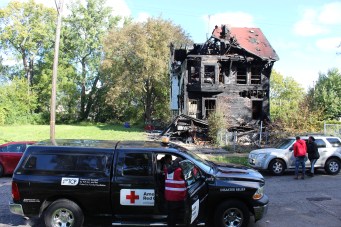
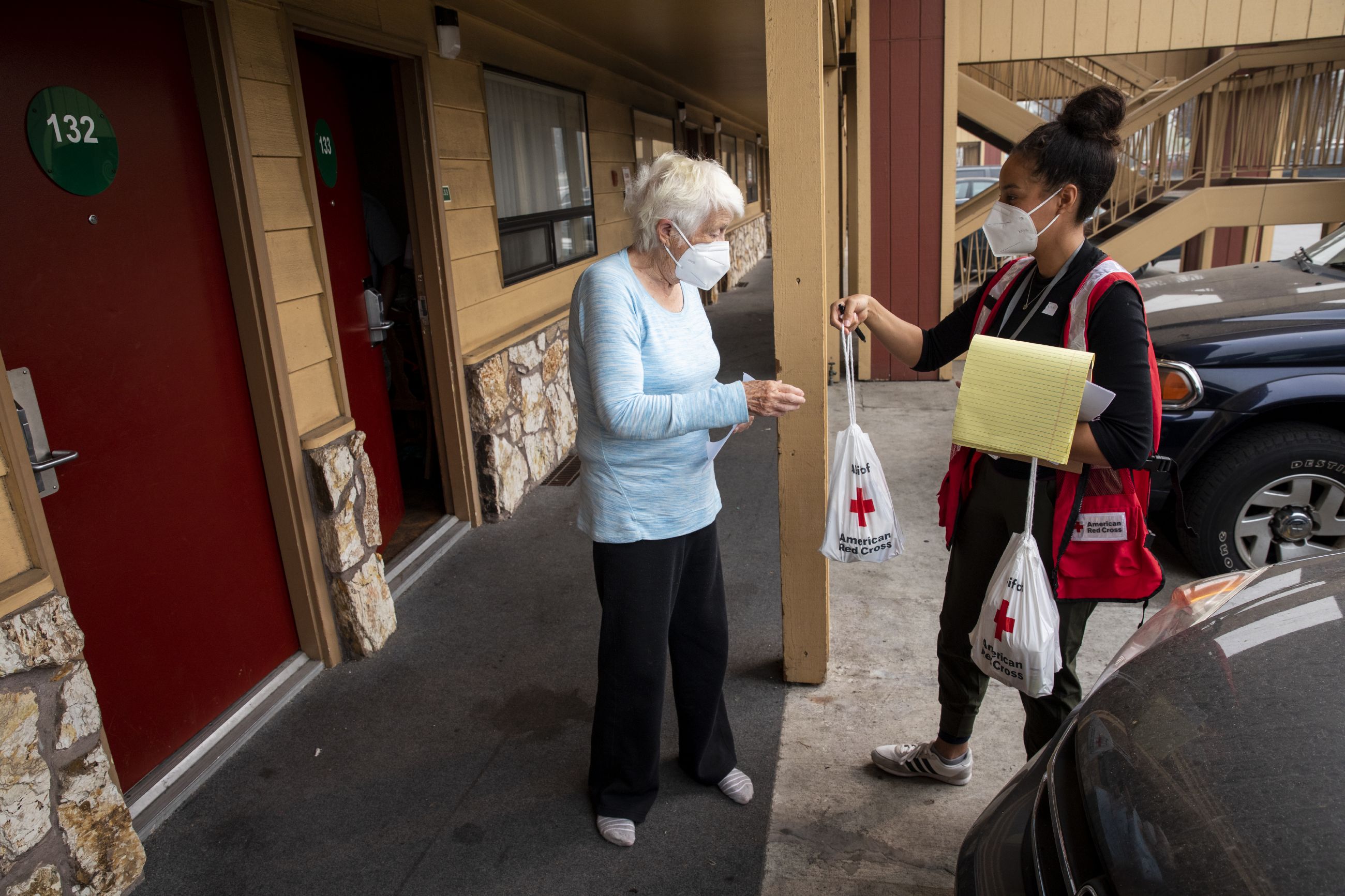
Red Cross volunteers respond to an apartment fire

Tom said the transition began a month ago and is going very well. The DAT team is ensuring volunteers are comfortable with the change, and it is safe. As we learn more, he said, we will adapt to ensure everyone’s safety.

Currently, 80% of disaster responses in our region are in-person. For the other 20%, virtual response remains the best option. Northern Ohio DAT has been highly active. Over the past two weekends they responded to 14 home fires, assisting 73 people.

Mark said an in-person meeting gives a chance to better connect with those in need of assistance, as it is much more personal. Similarly, Tom spoke of how meeting in-person better provides the opportunity to give hope, show someone cares and help with recovery. 

Tom recalled how after an exceptionally busy day, he received a late-night call to respond following a home fire. Upon arrival, he met a woman, in tears, sitting in front of her burned-out house. His being there greatly helped, provided comfort, and she soon moved from tears to smiles. Tom said it was empowering for him.

Disaster responder Jan Cooper assists resident Gabriella Asseff after a condo fire in Westlake

I had similar experiences during my time with DAT. The instances when I could see a person begin to recover, to smile and hope again, remain with me.

As for sheltering following a large disaster—fortunately not common in our region—Mike and Tom said congregate housing is now the first option. This will ensure enough space is available, as many hotels are currently near capacity. Safety protocols will be in place. Both Tom and Mike said the Red Cross remains flexible and adapts to each situation, and non-congregate housing remains an option.

Such adaptability has been a hallmark of the Red Cross. When the pandemic necessitated virtual responses to disasters, the DAT team responded. Additionally, technology implemented during the pandemic is also helping with in-person responses.

For many of us, the pandemic underscored the importance of personal connections, especially following a disaster. Thankfully, Northern Ohio DAT responders can provide that again, offering financial assistance along with comfort, hugs and hope.

Northern Ohio Region weekend disaster response report: July 17-18, 2021

Over the weekend, the American Red Cross was once again very active responding to calls across Northern Ohio and assisting residents who have suffered a local disaster.

IMG_5580

During the weekend of July 17-18, the Red Cross responded to 9 incidents across the region, including home fires and flooding. The disaster team assisted 15 adults and 11 children, and provided more than $5,5000 in immediate financial assistance.

While many of us hear “disaster” and think of large events like wildfires and hurricanes, local disasters are where much of our response happens. In fact, every 24 hours, on average, the Northern Ohio Red Cross responds to three home fires, as well as floods and severe storms. Red Cross volunteers are on call and ready to respond 24/7 when a disaster strikes. After emergency personnel, these individuals are often some of the first people to be on scene at a disaster. They assess the victims’ needs and ensure they have food, clothing, shelter and other services to help take the first steps to recovery.

The Red Cross is committed to helping our community prepare for, respond to, and recover from emergencies. We are able to make a difference in our local communities because of the generosity of our donors and support of our volunteers.

If you would like to provide a financial donation to assist the Red Cross’ efforts to support the residents of Northern Ohio, visit redcross.org/donate, call 1-800-RED CROSS or text REDCROSS to 90999 to make a $10 donation. If you cannot support the Red Cross monetarily but you are interested in making an impact in your local community, the Red Cross is always looking for volunteers. To volunteer, visit redcross.org/volunteer to learn more and sign up.

What volunteers can expect if they deploy to help residents affected by wildfires

By Doug Bardwell – American Red Cross volunteer

According to the National Interagency Fire Center, there have already been 31,000 wildfires across the country, with more than 1.5 acres affected. As of July 4th, people have had to evacuate their homes for the Tennant, Salt and Lava wildfires in California. That means there will be a need to shelter and feed residents impacted, and more opportunities for American Red Cross volunteers. 

Volunteers often talk about how appreciative people are when offered water or buckets and rakes to assist their cleanup. Many I’ve spoken with mentioned that Red Cross trucks brought the first and only assistance they had encountered since the fire. It’s a privilege to serve those who’ve just lost most of their material possessions.

What can you expect if deployed to volunteer?

First, you won’t be anywhere near the flames. Shelters are selected in safe zone areas, so you can feel safe wherever they are located. Even if you are part of a Red Cross mobile feeding operation, you won’t be dispatched to burnt areas until the fire has been totally contained for a safe period of time.

There are three types of work most volunteers experience: sheltering, feeding or supply distribution.

Sheltering volunteers work to set up and maintain the sleeping/living areas for those displaced by the fire. After the setup and registering of incoming victims, just letting people tell their stories is very cathartic for those affected.

While deployed to the Camp Fire in California, I noticed most people just wanted someone to talk to. Not that they expected any earthshaking solutions, they just needed to verbalize their plight to a caring set of ears. Sometimes, just playing cards or a board game was a great distraction from their worries. 

November 17, 2018. Chico, California. At the Neighborhood Church shelter in Chico, California, Daniel Nieves grieves the loss of his friends, who perished in the Camp Fire. Red Cross volunteers Pamela Harris and Vicki Eichstaedt listen and offer comfort as Daniel remembers a special friendship. Photo by Daniel Cima/American Red Cross

Feeding volunteers help serve meals that are usually supplied by one of our Red Cross partners. Three meals a day are served to those affected. You might also be serving meals to first responders, cleaners and other service personnel involved around the shelter operation. 

In all the sheltering operations I’ve been involved with, there is always a 24/7 snack area for the shelter residents. Chips, cookies and snack bars are always available, along with coffee, tea, soft drinks and water.

Distribution volunteers are those who take cleanup tools and supplies out to the victims at the site of the fire after the “all clear” notice has been issued. 

Deploying on a national disaster usually requires a two-week commitment. However, local/regional events can be staffed on more flexible schedules. A limited amount of pretraining is necessary for either, but there are plenty of people ready to get you up to speed quickly. For more information on volunteer opportunities, visit redcross.org/volunteer and select DCS – Disaster Cycle Services – Responder, or contact Emily Probst, Disaster Workforce Engagement Manager, at emily.probst@redcross.org.

Edited by Glenda Bogar, American Red Cross volunteer


Hurricane season begins

June 1st is the traditional start; wildfires also become more devastating

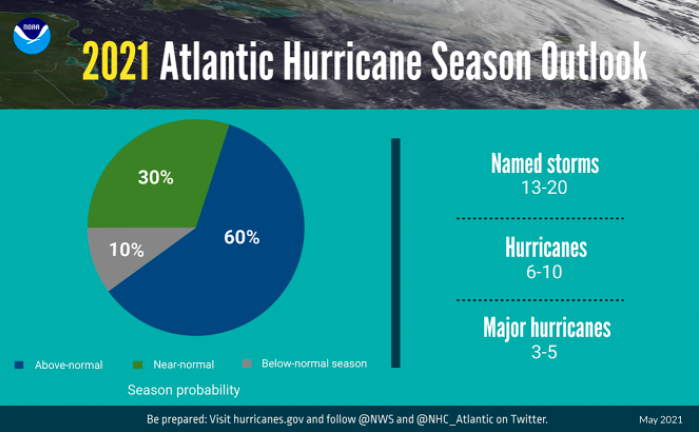
With hurricane season just getting started, here is the 2021 Atlantic hurricane outlook from the National Oceanic and Atmospheric Administration. Above-normal storm activity for the second year in a row is being predicted. According to NOAA, the Atlantic could see as many as five major hurricanes this season between June 1 and November 30.

While we live in an area that isn’t typically impacted by hurricanes, we DO send Red Cross volunteers from Northern Ohio into hurricane zones, to help affected residents find safe shelter and to help them with their recovery when the skies clear.

We want to help anyone you may know in storm-prone areas stay safe by following a few simple steps. You can find more safety tips at redcross.org/hurricane and on our free Emergency App (search “American Red Cross” in mobile app stores).

Wildfire risk also high

While wildfires can strike at any time, we’re heading into the time of year when they are most devastating, particularly in the western U.S.

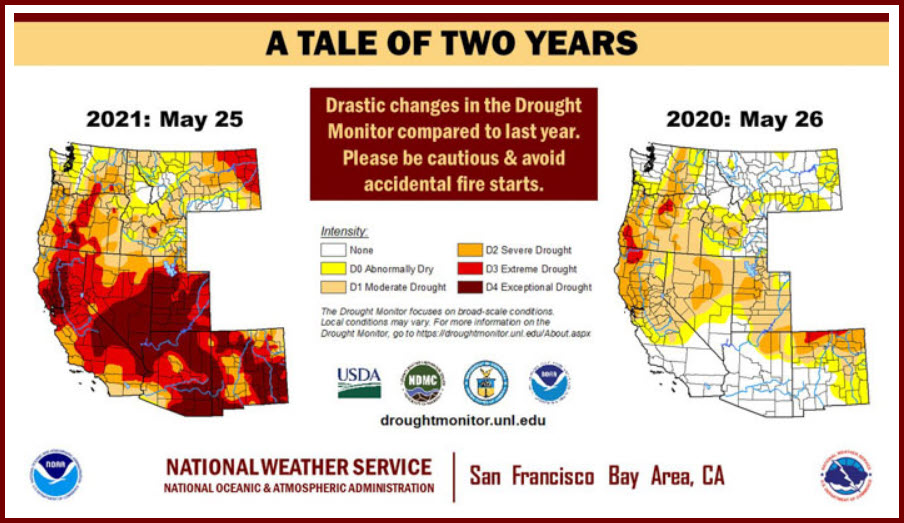
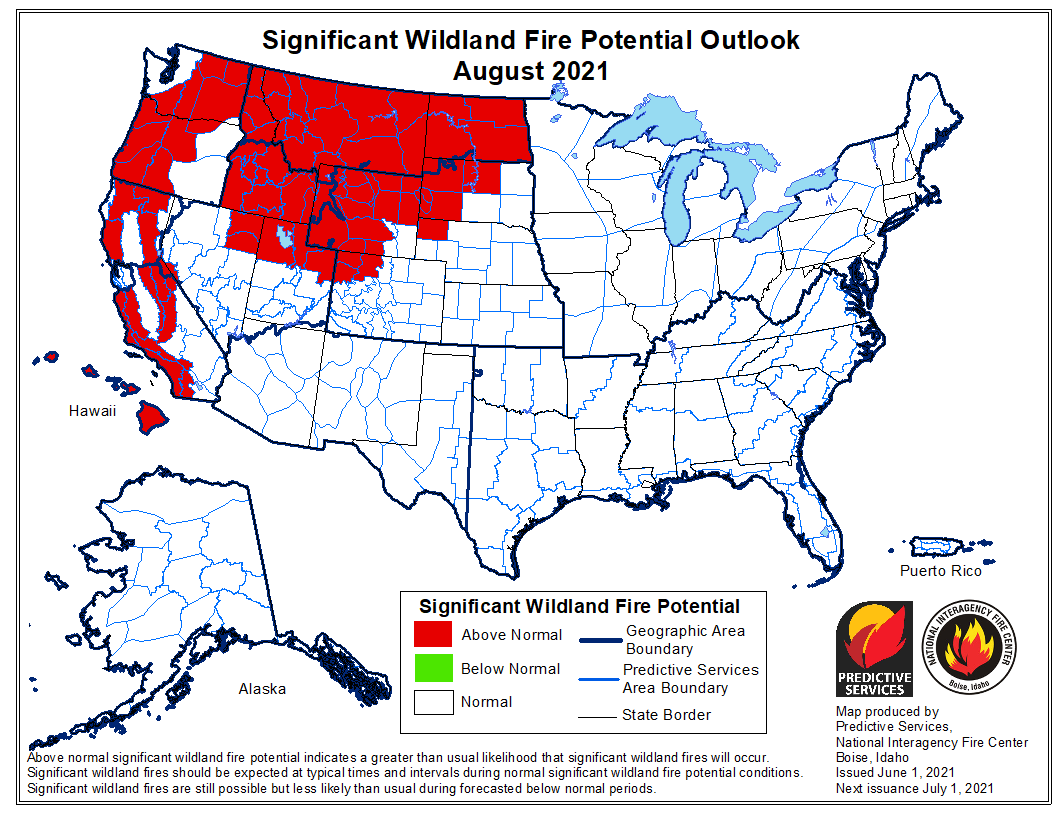
As you’ll see in this outlook, after 2020’s record-setting blazes burned over 10 million acres, extended drought conditions mean many communities across the West are again at high risk for severe wildfires this year. In California, wildfires already have destroyed about triple the average acreage that they usually do by this point in the year.

We are hoping for the best, but are ready to offer safe refuge, nourishing meals, emotional support and other essentials when blazes – and other disasters – force families to flee their homes.

Another Northern Ohio life saved thanks to volunteers

Arlington, Ohio woman credits fire safety information for helping her escape in April

By Jim McIntyre, American Red Cross

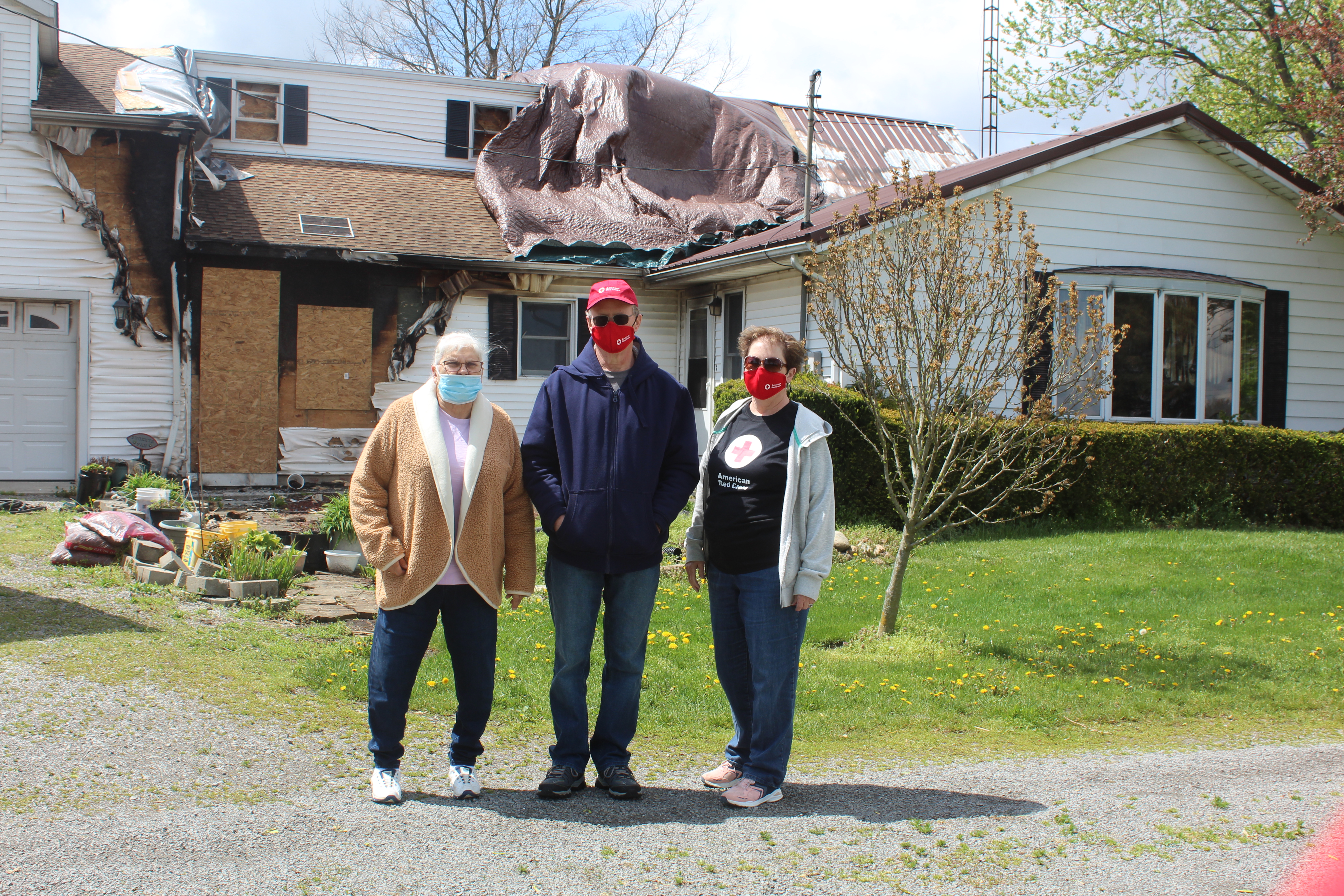
Ramona Martin of Arlington in North Central Ohio safely escaped her home after fire broke out in the early morning hours of April 14, 2021. She was awakened after smoke alarms installed in 2018 by Red Cross volunteers Steve and Valerie Mahler of Findlay sounded.

Ramona Martin, left, with Red Cross volunteers Stephan and Valerie Mahler, standing in front of Ms. Martin’s fire-damaged home in Arlington, Ohio

The installation was part of the American Red Cross Home Fire Campaign, which was launched in October 2014.  Since then, more than 1,000 lives have been saved following the efforts of volunteers and partners.

“I never thought it would happen to me,” said Ms. Martin.  She credits the fire safety information she received from Steve and Valerie when they installed her smoke alarms for giving her the knowledge she needed to safely escape.  “You have to have an escape plan.” She said she had only about two minutes to get out.

“When we started installing smoke alarms, I contacted my neighbors, family members, people from church, everyone I know,” said Steve.

See additional photos here. Watch Steve interview Ramona here.

Residents can visit SoundtheAlarm.org/noh to request a virtual education session on home fire safety and to request smoke alarm installations.  While the Red Cross has postponed in-home visits due to COVID-19 concerns, we will contact residents to schedule an appointment when we resume our in-home visits or if we are able to offer in-home installations with local fire departments.

Celebrating World Red Cross and Red Crescent Day May 8

By: Tim Poe, American Red Cross volunteer
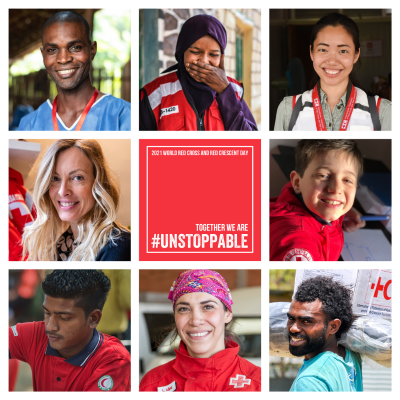
May 8th is World Red Cross and Red Crescent Day, in which the International Federation of Red Cross and Red Crescent Societies (IFRC) collectively thanks its 13 million volunteers worldwide—about 2,000 of which are in Northern Ohio—for their dedication, bravery, kindness, and selflessness.

This day also coincides with Sound the Alarm, as American Red Cross volunteers and staff are helping area residents develop fire safety plans through doorstep visits. Please read this article for more information.

May 8th is the birthday of Henry Dunant, who was born in Geneva, Switzerland in 1828, founded the IFRC, and received the first Nobel Peace Prize. After witnessing one of the bloodiest battles of the 19th century, Solferino, and assisting in its aftermath, Dunant wrote A Memory of Solferino, published in 1862. After detailing the horrors of the battle and describing efforts to care for the wounded, Dunant offered a plan that the world’s nations form relief societies and appeal to everyone to volunteer. The following year the Geneva Society for Public Welfare appointed Dunant and four others to examine putting the plan into action. This began the foundation of the Red Cross. More on Henry Dunant is here

It would take more than a century, two world wars, and the 1918 flu pandemic before a Red Cross day would be created, however. During that time, the need and effectiveness of Red Cross societies became even clearer. Following World War II, the Board of Governors of the League of Red Cross Societies requested the study of an International Red Cross Day. It was approved two year later, and May 8, 1948 became the first commemoration of what we now know as World Red Cross and Red Crescent Day. Further details are here.

In 2021, the Red Cross’s mission and services are as needed as ever, and the resilience, dedication, flexibility, and selflessness of its volunteers and staff has continued during the COVID-19 pandemic. In fact, the past year has been especially active. In the US, 2020 had the greatest number of billion-dollar disasters in a single year. Here in Northern Ohio, the Red Cross has continued to respond to disasters—including more than three home fires every 24 hours, on average—collect and distribute much needed blood, teach life-saving skills, assist members of the armed services and their families, and help educate the community on home fire safety, virtually and with doorstep visits during tomorrow’s Day of Action.

We recently profiled a few extraordinary volunteers during Volunteer Week. As a Red Cross volunteer, I have been privileged to see such caring and dedication firsthand and have been honored to work alongside some of the kindest, most effective, and remarkable people I have met. Please see here if you would like to join us.

On this World Red Cross and Red Crescent Day, we celebrate those who put the Red Cross’s mission to prevent and alleviate human suffering into action, each day.

Heartbreaking disaster, extraordinary response

The following account of a Red Cross response to a fatal home fire was written by Tom Revolinsky, disaster program manager for the American Red Cross of Northeast Ohio.

Tom Revolinsky

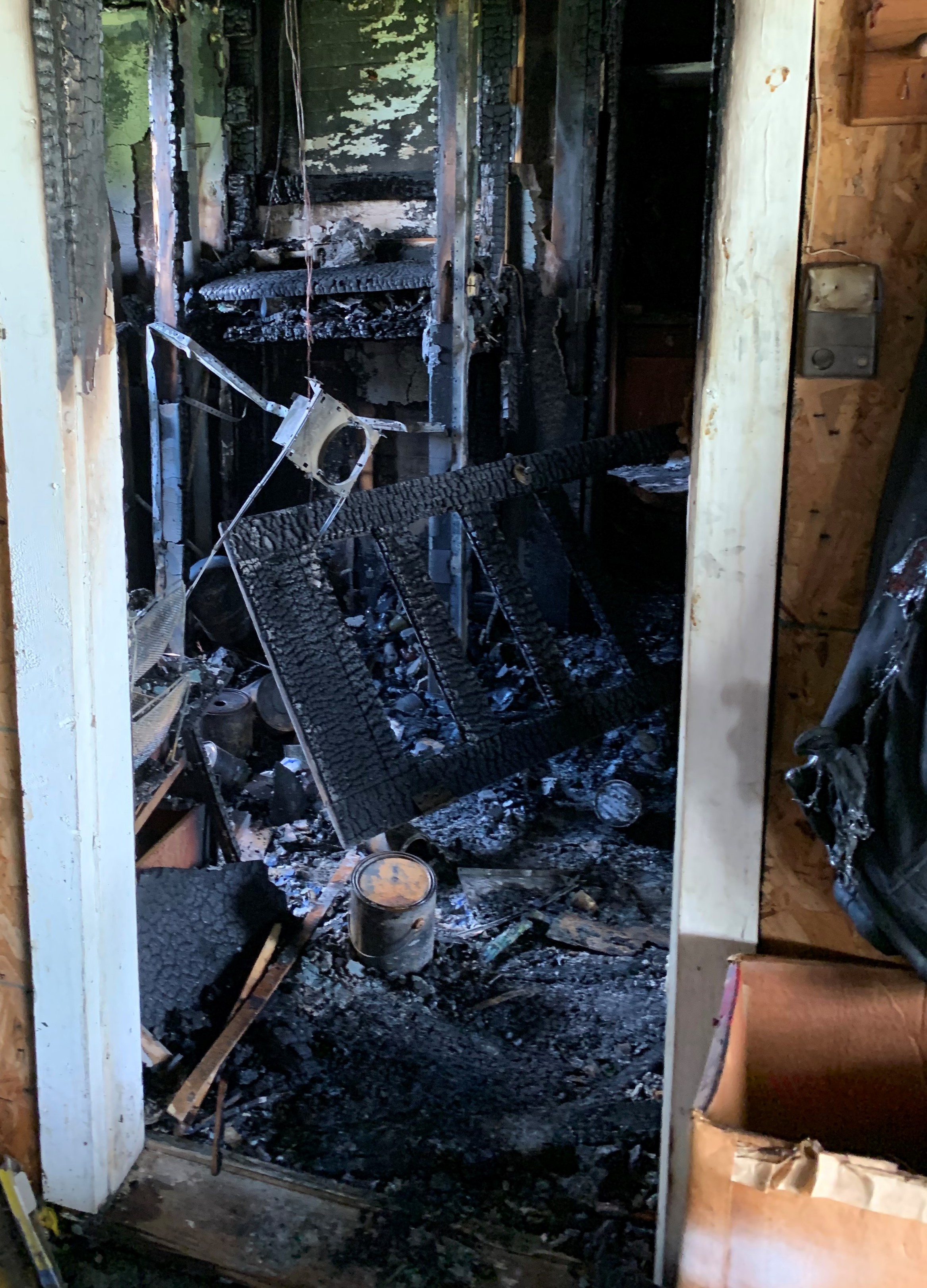
The fire occurred on January 24, 2021 on West 47th Place in Cleveland. The fire affected the house next door as well.   The Red Cross provided assistance to both families affected by the fire. 

Here is news coverage from Fox 8 showing three law enforcement officers rescuing the client and his mother from the fire.  

A mother and her adult son were admitted to the MetroHealth Burn Unit.  Dave Huey (Red Cross volunteer) did a remarkable job being in contact with the nurses at the burn unit as the son underwent multiple surgeries and was not in suitable condition to be interviewed. 

We did the initial intake on February 12th.   During that time, his mother died because of the injuries during the fire.    

At the son’s request we contacted Busch Funeral Home and with the help of the MetroHealth Social Worker all the necessary paperwork was completed.   We also worked with a social worker from Holy Family to deliver the financial assistance and pay for the funeral.    The son is extremely grateful that the Red Cross lifted this burden from him (his words). 

During the intake process we determined that the son lost his glasses during the fire.    We were able to locate a Walmart where he had recently gotten a new pair of glasses and ordered the same replacement glasses, paid for by the Red Cross at no cost.  (Senior Regional Disaster Program Manager) Renee Palagyi’s son in-law, who works at MetroHealth, was able to pick up the glasses and deliver them to the son (note:  because of Covid it is difficult to get into hospitals).   He has been released from the hospital in currently in rehab.   He is extremely grateful that he can now watch TV and read as he tries to recover and resume a normal life.     

He is a remarkable man as he was always had a positive outlook. We had some great conversations each time we spoke. 

He is extremely grateful to the Red Cross and wants to visit the Chapter office and meet everyone once he is able.   I would like to thank the following team members for their assistance in this case:   Regional Disaster Officer Tim O’Toole, Senior Regional Disaster Program Manager Renee Palagyi, Regional Recovery Manager Barb Thomas,  Disaster Program Specialist Jessi Graber, and disaster action team members (volunteers) Deb Ziss and Dave Huey. 

The ‘hows’ of financial contributions: Your questions answered

Giving Day is Wednesday, March 24

By: Sam Pudelski, American Red Cross Volunteer

Donating when you are able to can be a wonderful way to give back to your community and help those who are in need. There are many ways you can support and give to the American Red Cross, including providing a financial gift.

You may be asking yourself: How is my donation used? How much of it is used? How can I donate? All of these are great questions, and ones you should ask before donating to any cause, charity or organization. For those who have questions about the Red Cross, we are providing the answers to some of these common questions about financial contributions.

How much of my donation goes to the Red Cross?

An average of 90 cents of every dollar we receive is invested in delivering care and comfort to those in need.

How is my donation used by the Red Cross?

With the generous support of our donors, we help millions of people each year. Financial donations help to support our programs like disaster relief, blood drives, our Home Fire Campaign, training classes, services to the armed forces and more. Learn more about the work we do here in Northern Ohio.

How can I donate?

If you are looking to give a financial donation to the Red Cross, there are many ways you can donate:

  • Make a donation online
  • Send a donation by mail
  • Donate over the phone
  • Text to donate $10
  • Alexa Donations with Amazon Pay
  • Donate stock, your car, hotel points or airline miles
  • Give in tribute to someone
  • Give monthly

If you want your donation to go even further, ask your employer if they would sponsor a matching program for employees. In a matching program, your donation is matched by the organization or individual that is sponsoring the program.

There are many ways you can give back and support the Red Cross’ mission. We encourage you to learn more about our mission and our work, and if you are able to do so, consider donating this coming Giving Day on March 24—or any day. For details on how to donate or to make a secure donation online, click here.

We thank you for your support!

Edited by: Glenda Bogar, American Red Cross Volunteer