Local blood donors give more life by giving blood at annual Give from the Heart Blood Drive

By Christy Peters, American Red Cross

For many, the Valentine’s Day holiday means finding the perfect card and picking out the best chocolate heart to share with someone special. But for blood donors across northern Ohio, this holiday means a longstanding tradition of giving love by giving blood at the annual Give From the Heart Blood Drive.

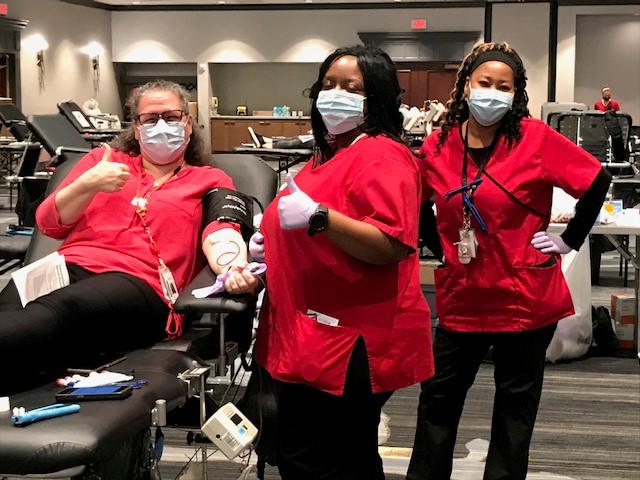
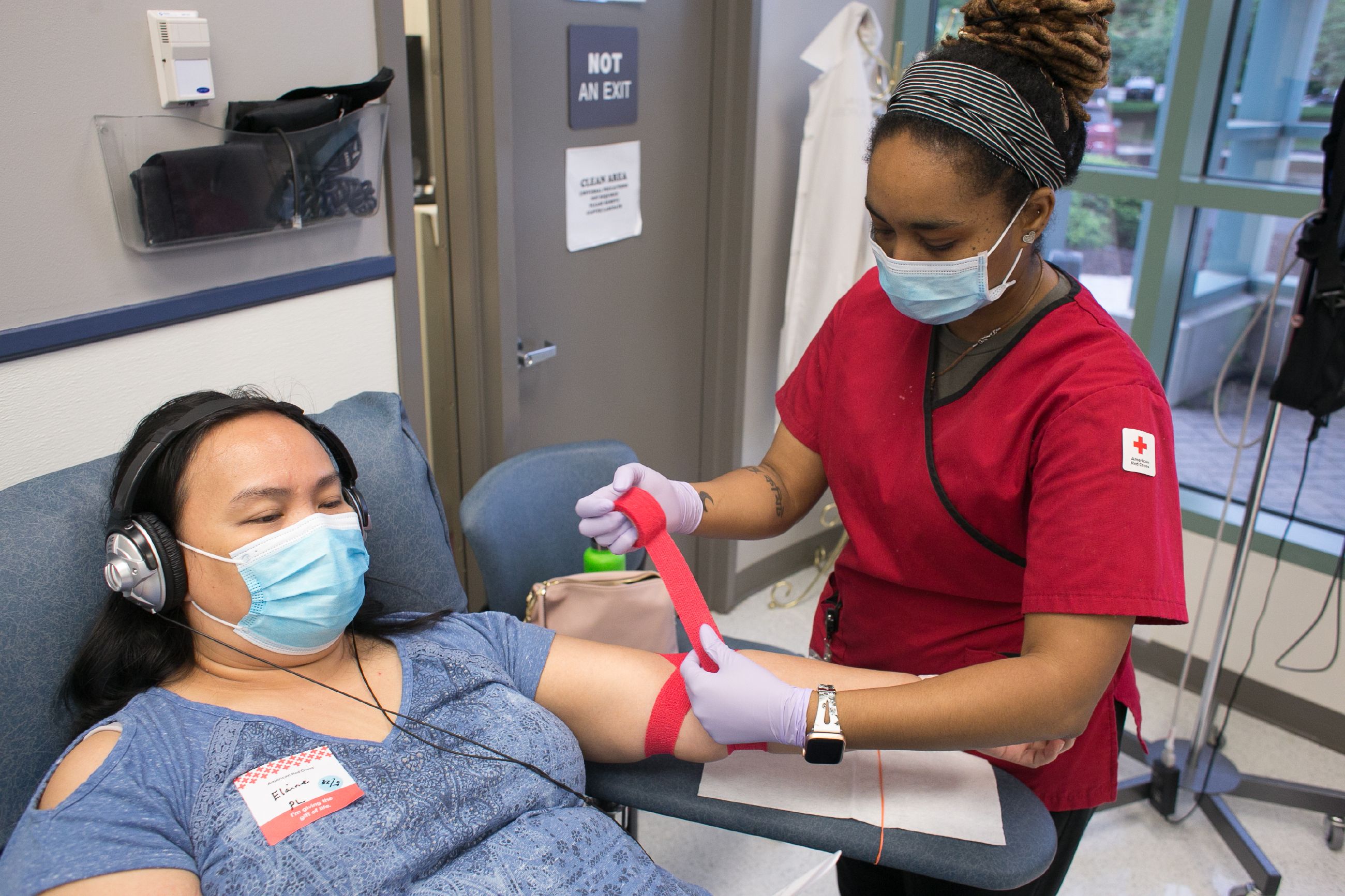
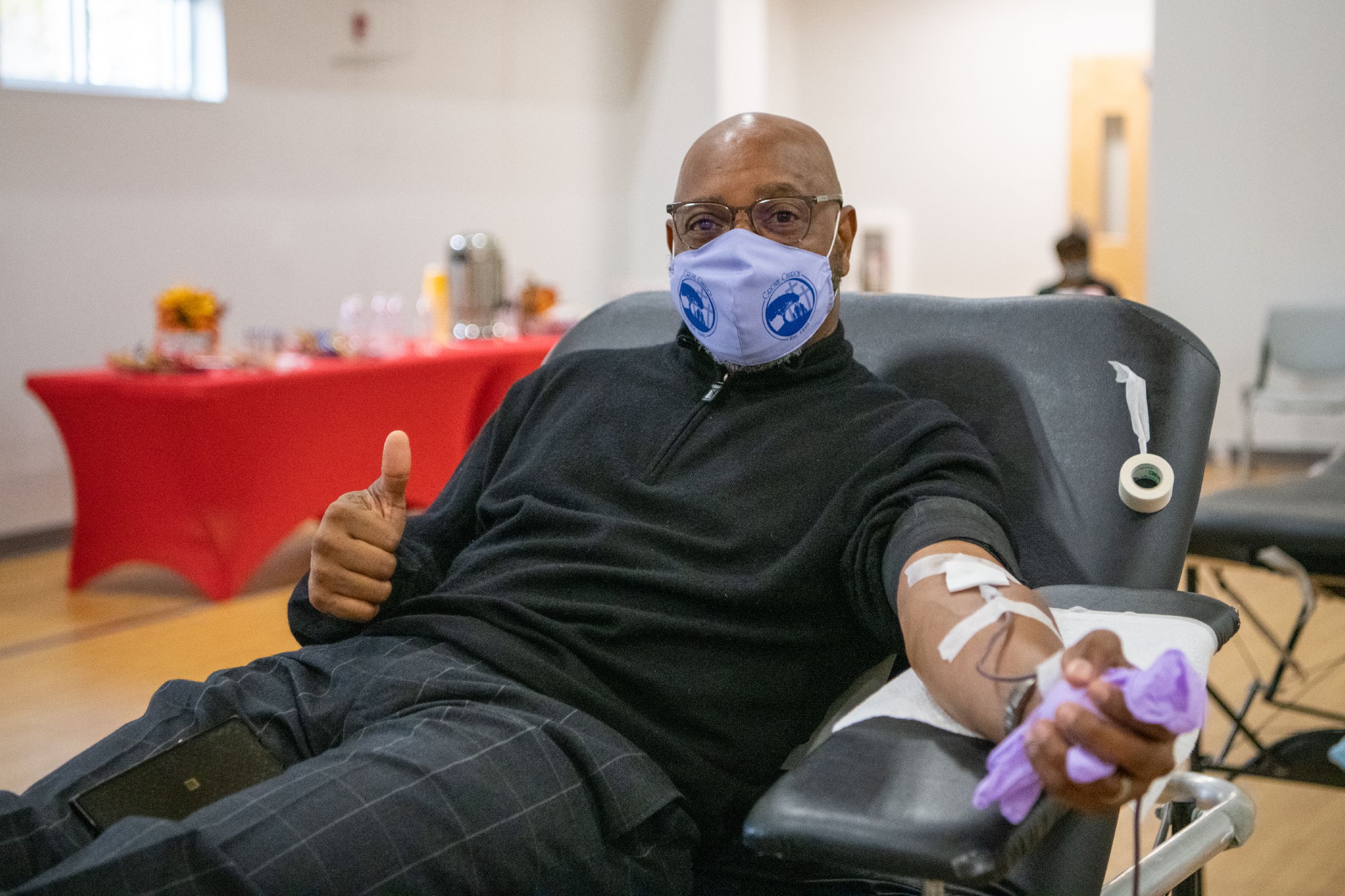
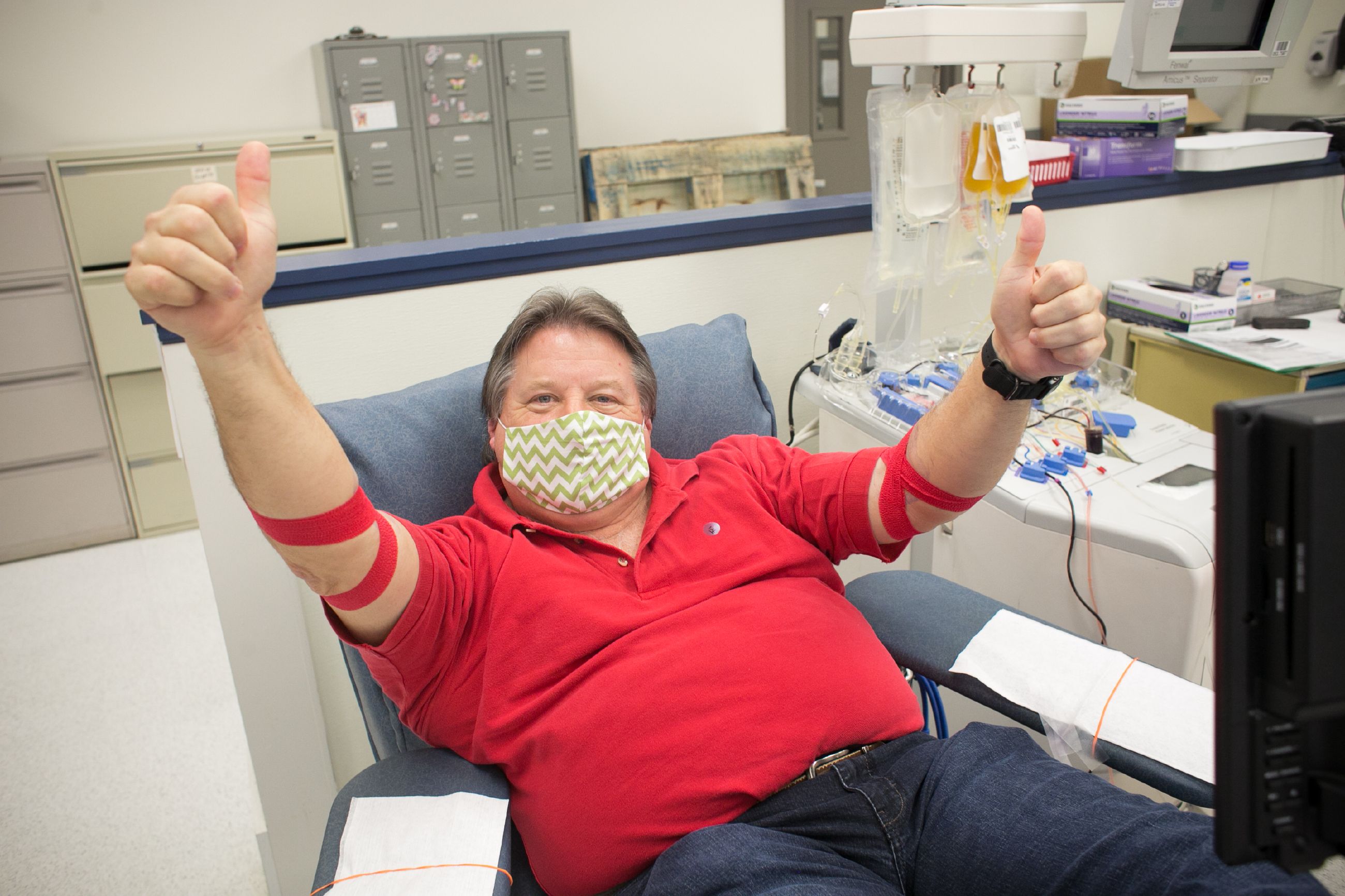
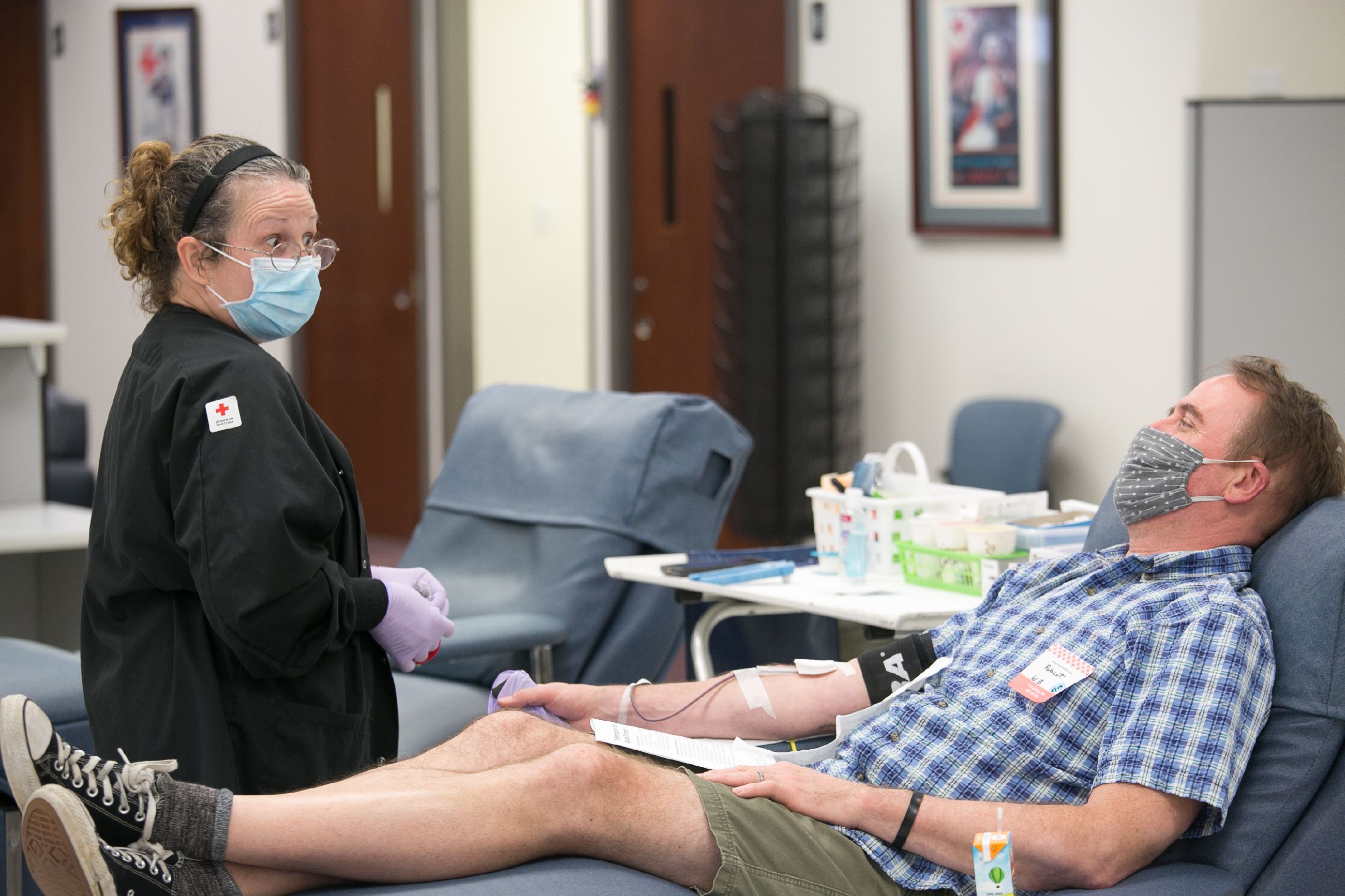
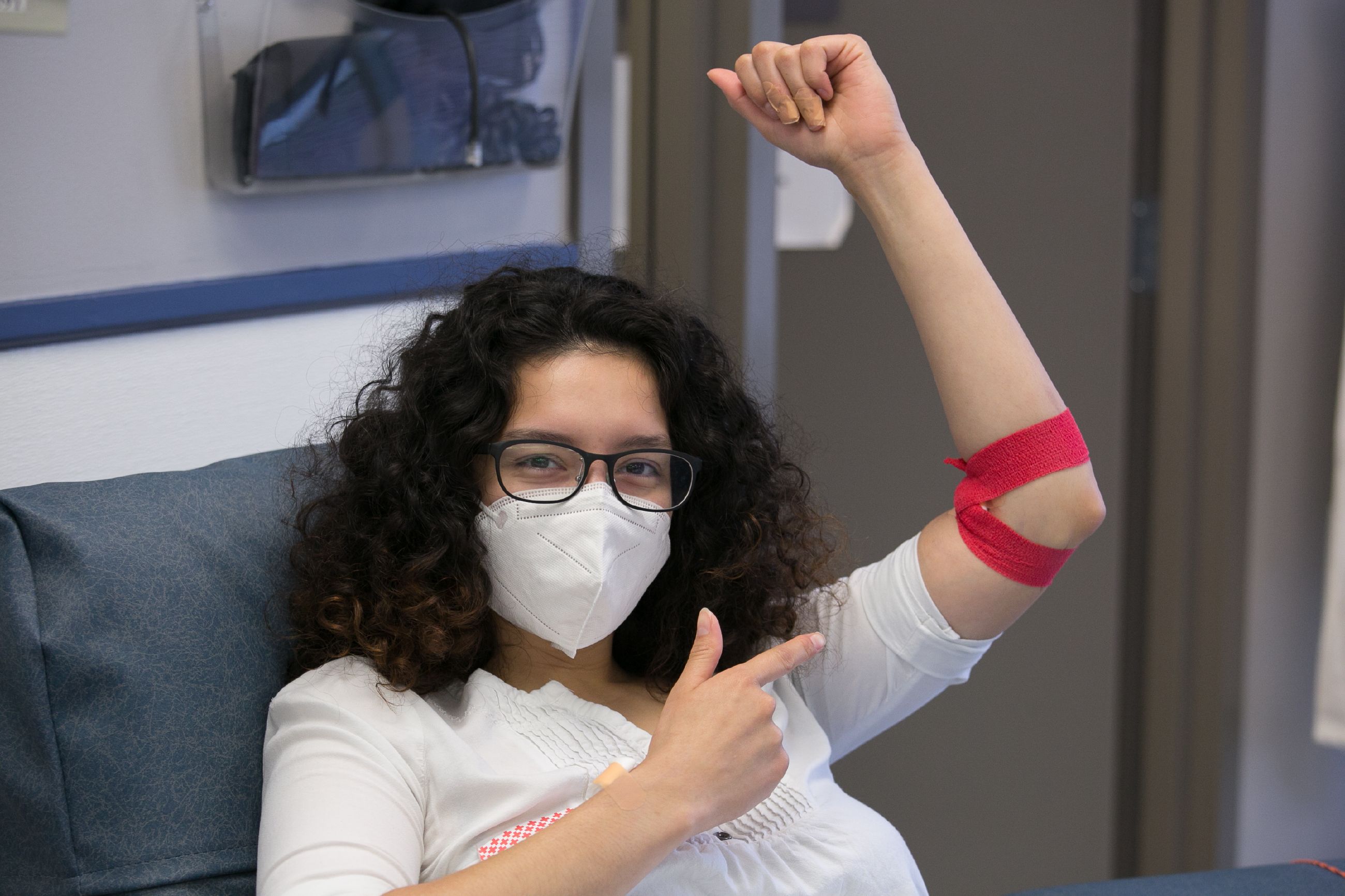
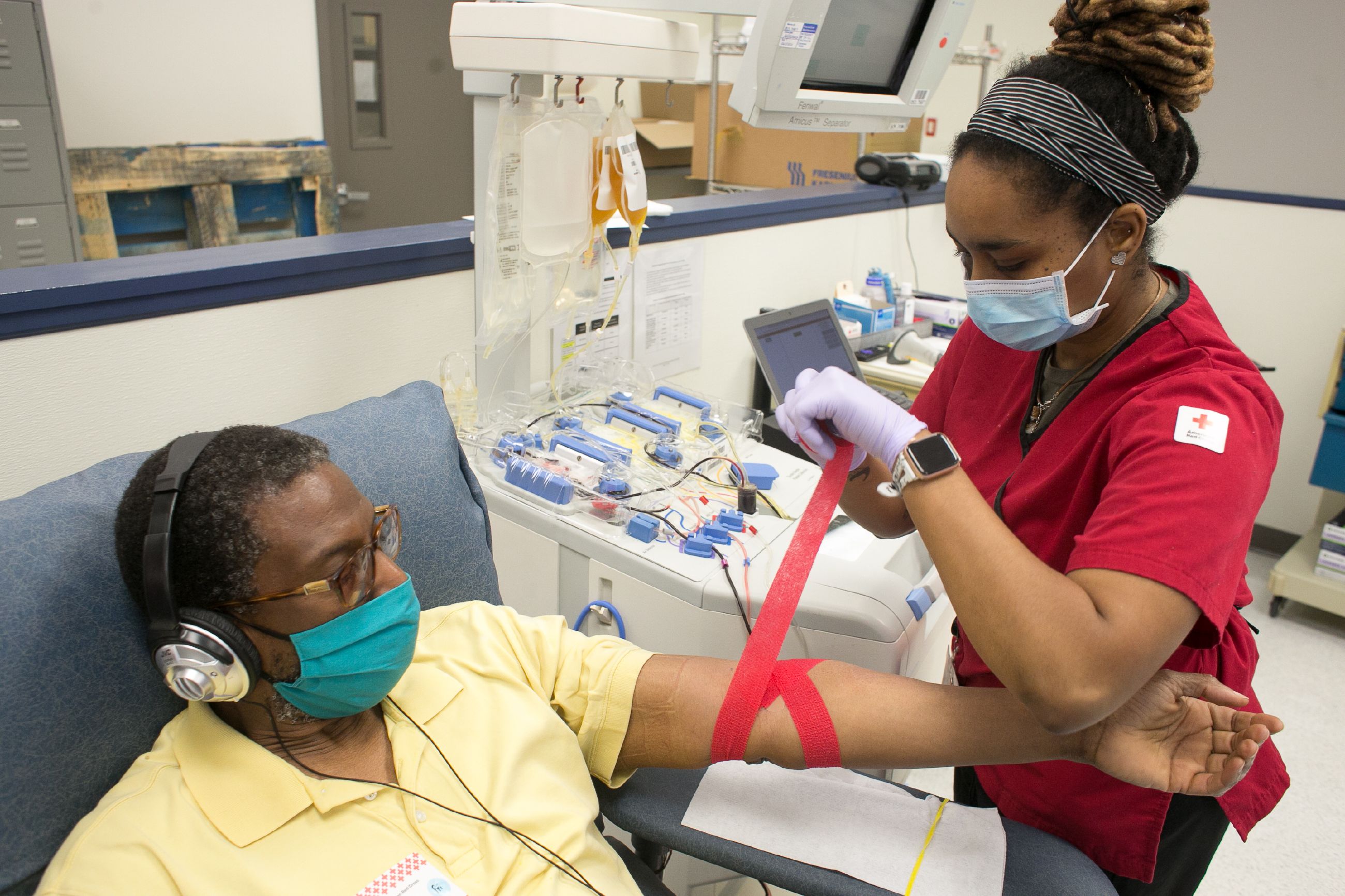
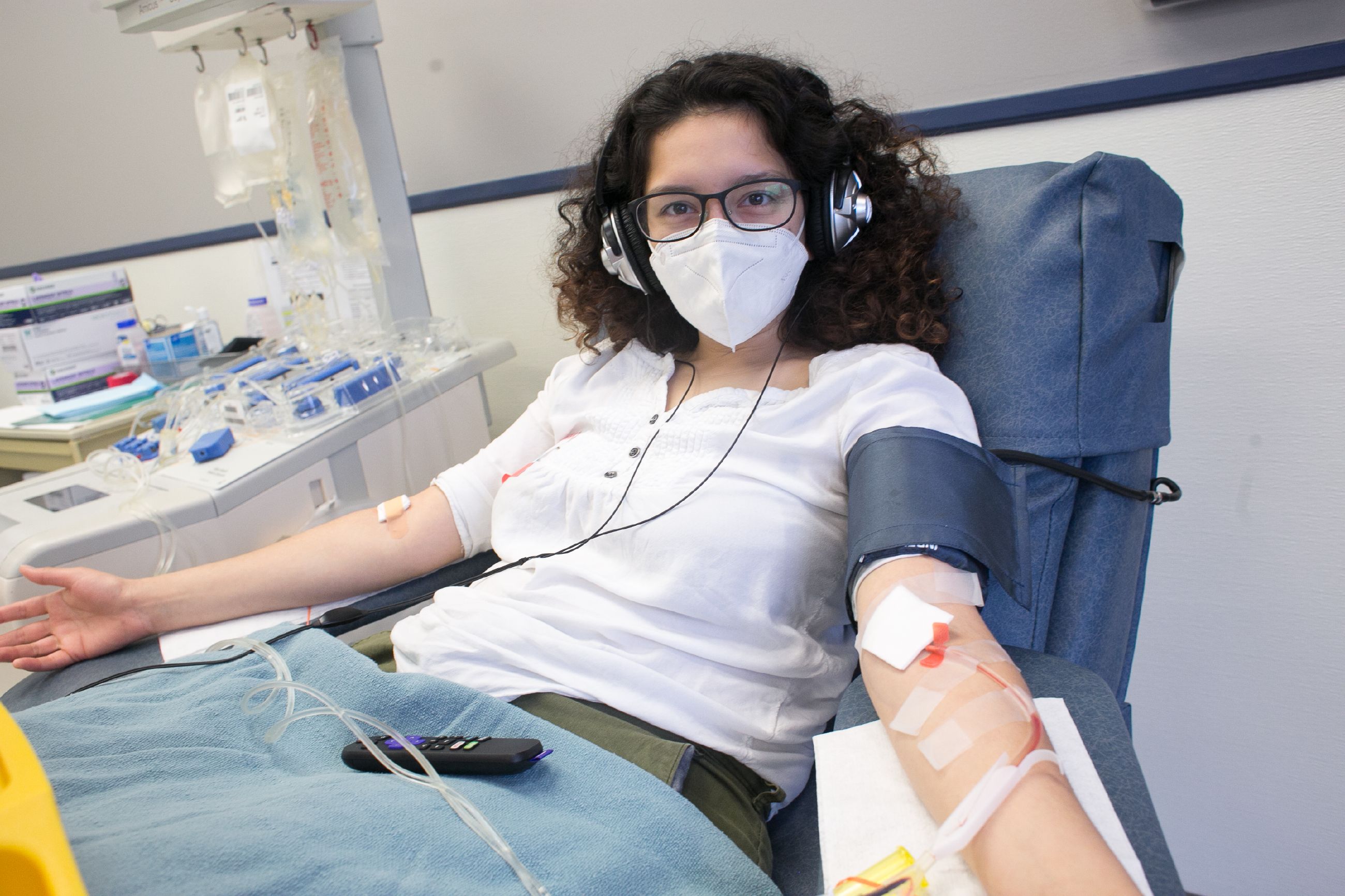
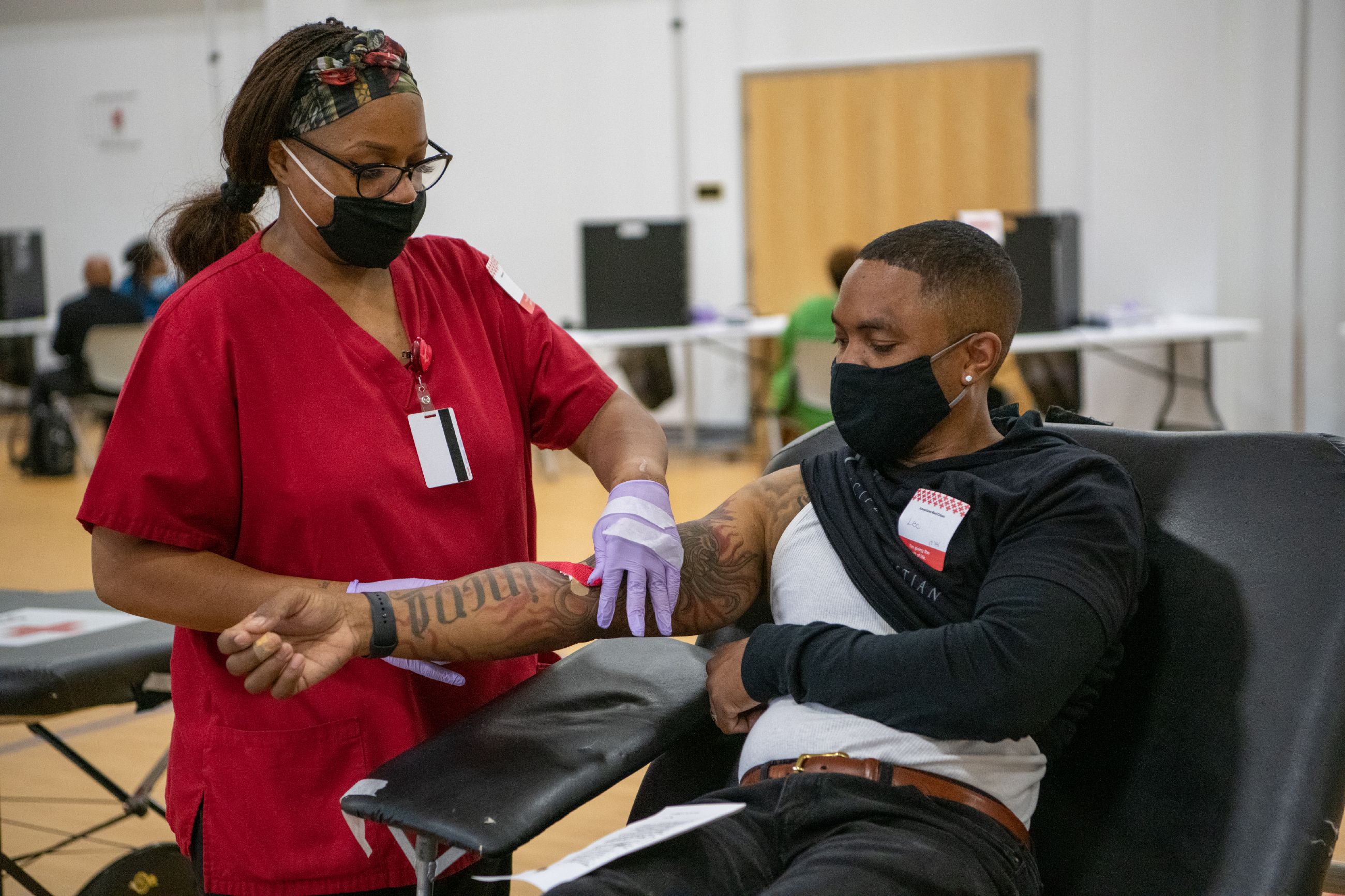
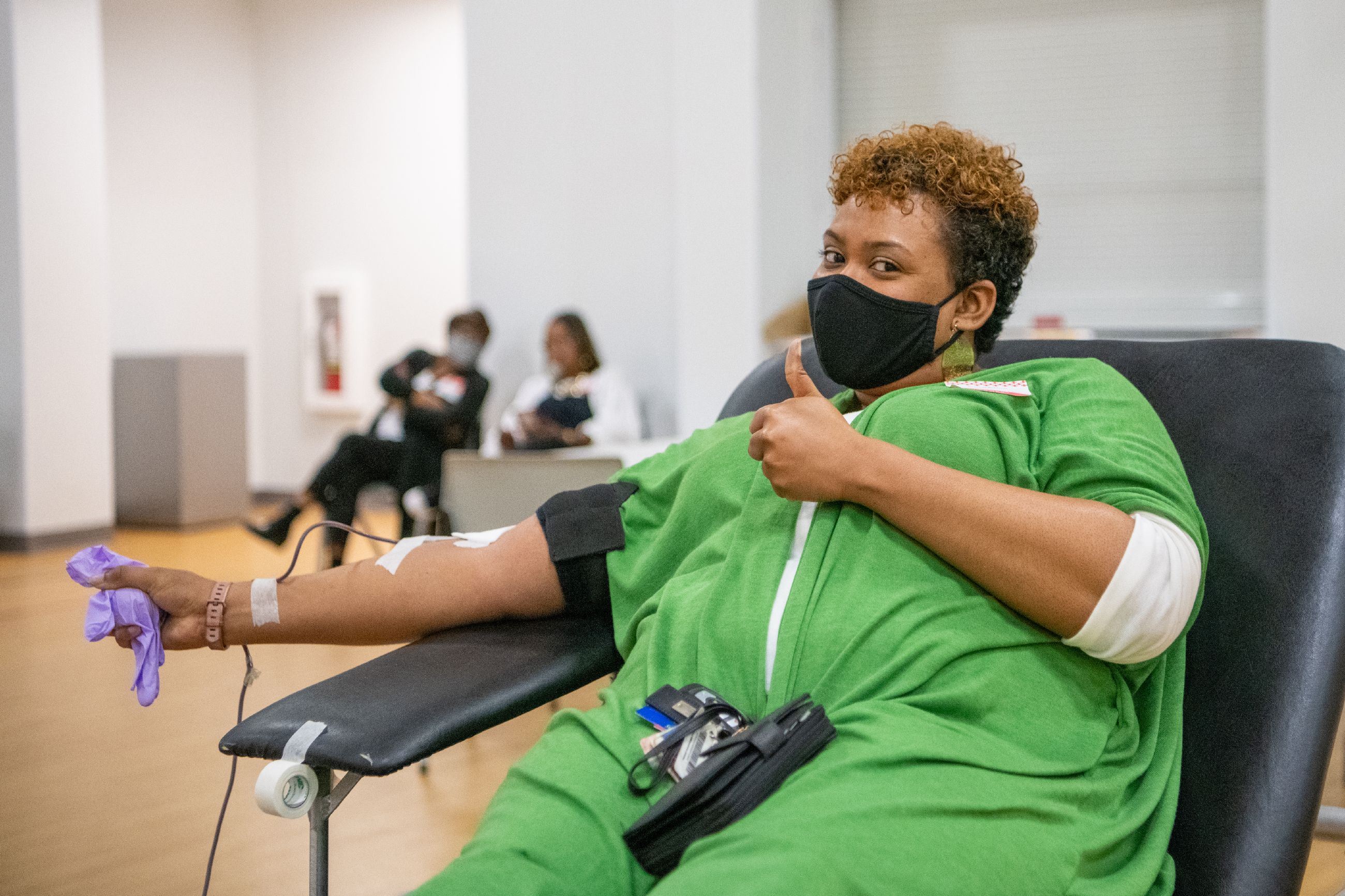
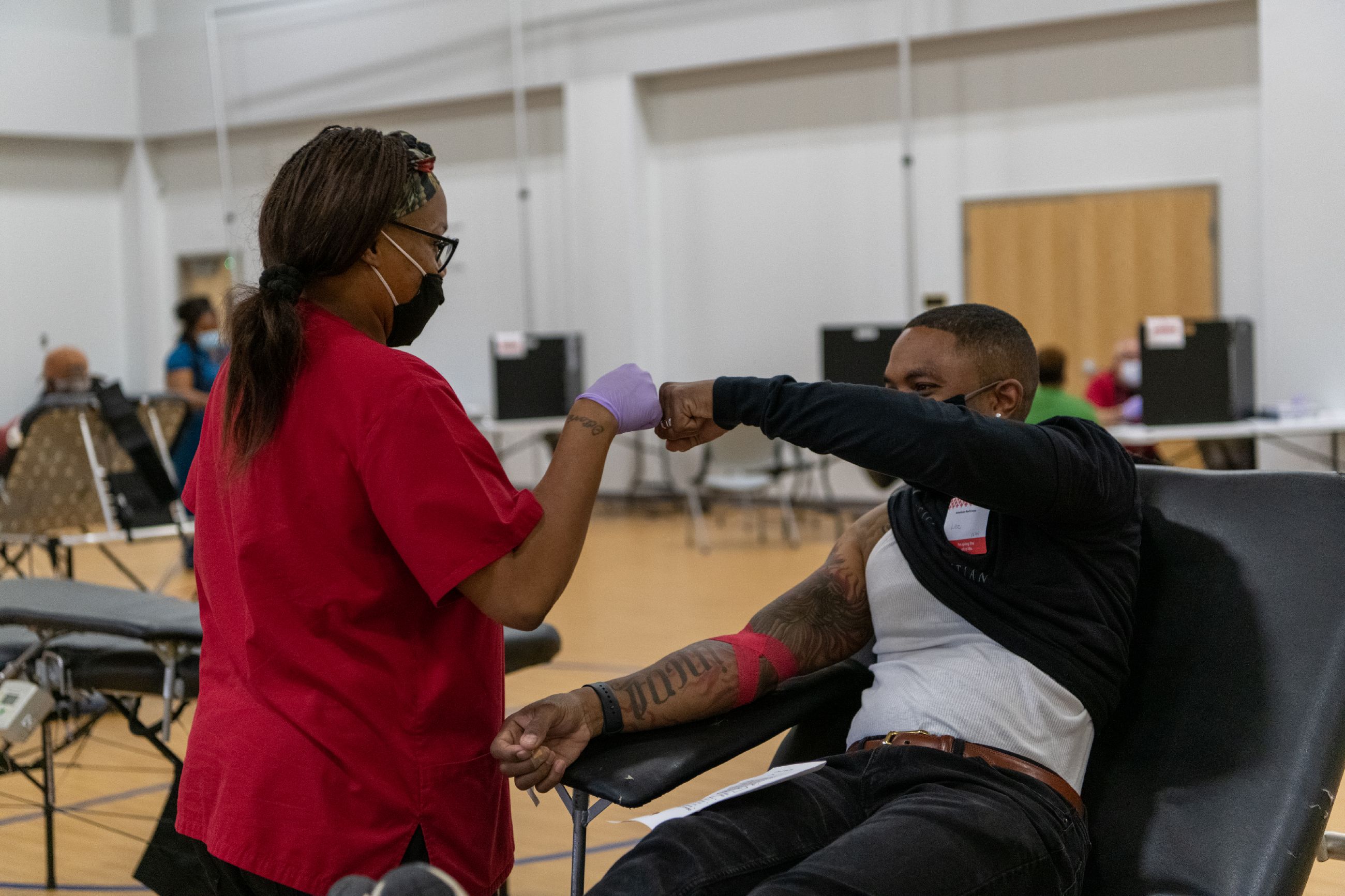
On Tuesday, February 9, donors from across northeast Ohio helped save lives by donating at the Cleveland Marriot East in Warrensville Heights. As is the case with so many traditions during the pandemic, the event was slightly different than in past years. One thing that had not changed was the commitment of so many to take an hour out of their day to help someone in need.

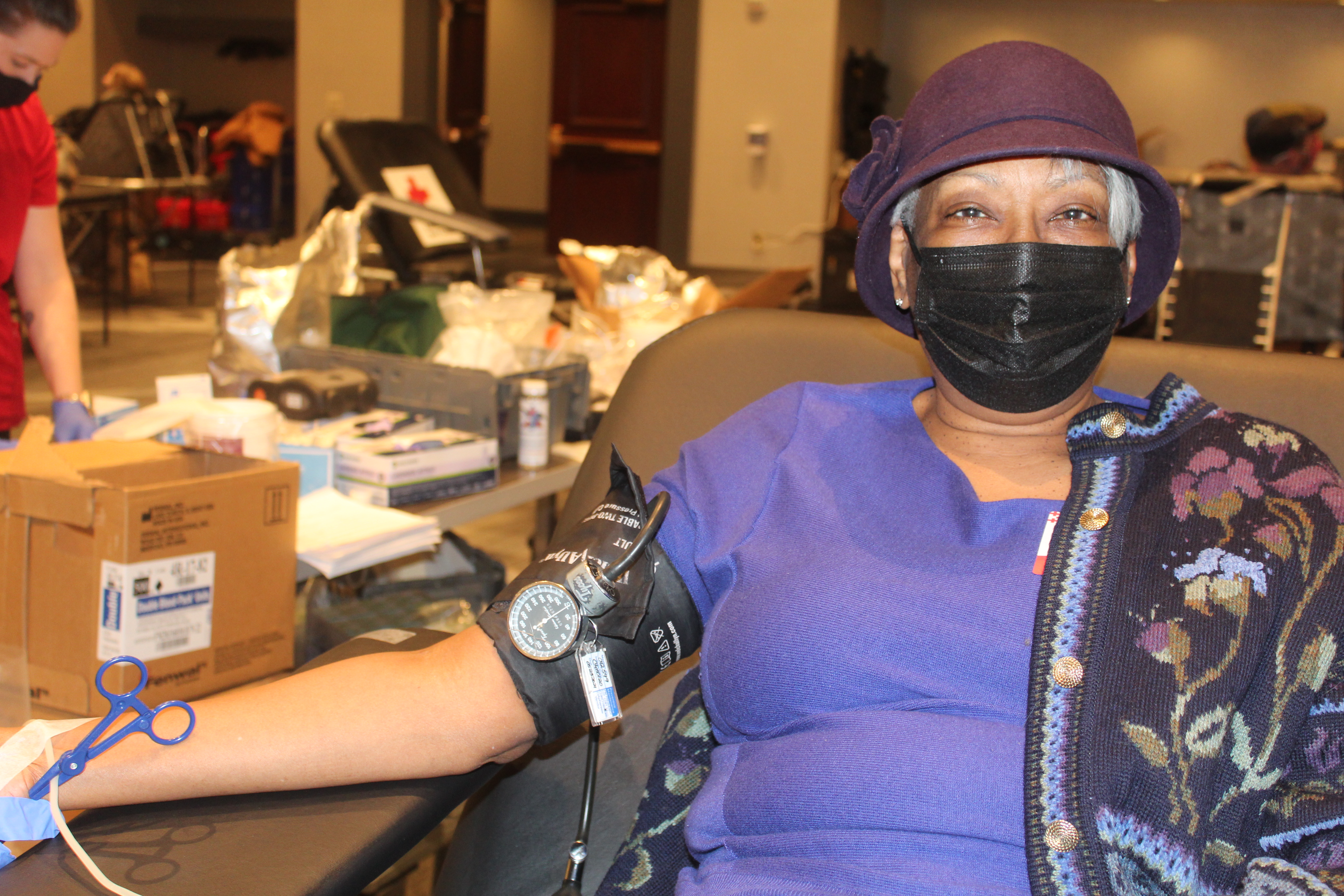
Red Cross blood donor Sylvia Stewart-Lumkin

“I believe that everything I have is from the Lord. That includes my time, talent, treasure and my body,” said Sylvia Stewart-Lumkin, a donor from Cleveland Heights. “This is my way to give of myself to help someone in need.” Sylvia has given at this event before and is also a regular donor at Mt. Gillion Missionary Baptist Church.

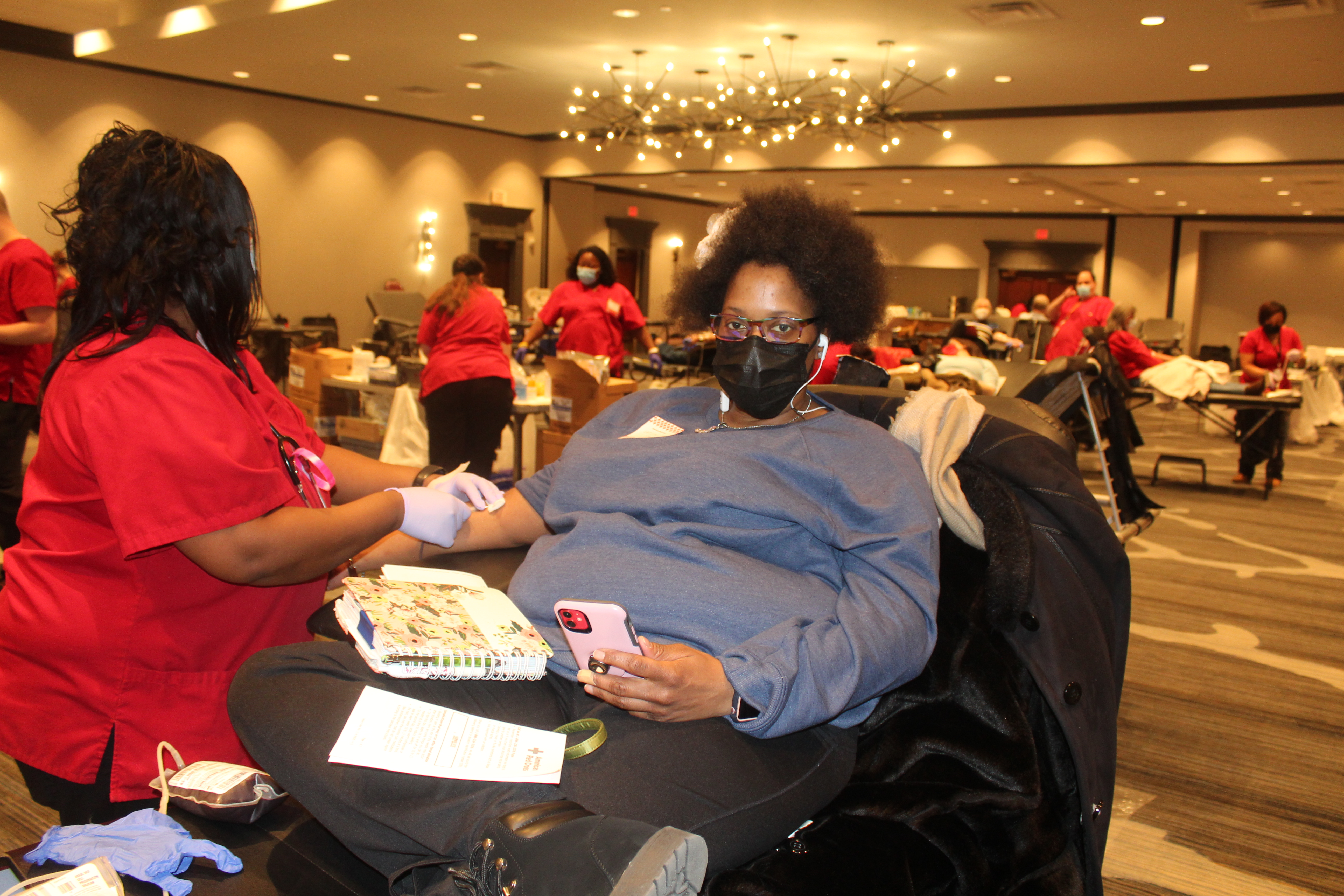
Latisha Bowen of University Heights also gave on Tuesday and is type O positive. “I started donating blood in college. This is my third donation in the last year,” she said. “I’ve just always donated blood.”

Red Cross blood donor Latisha Bowen

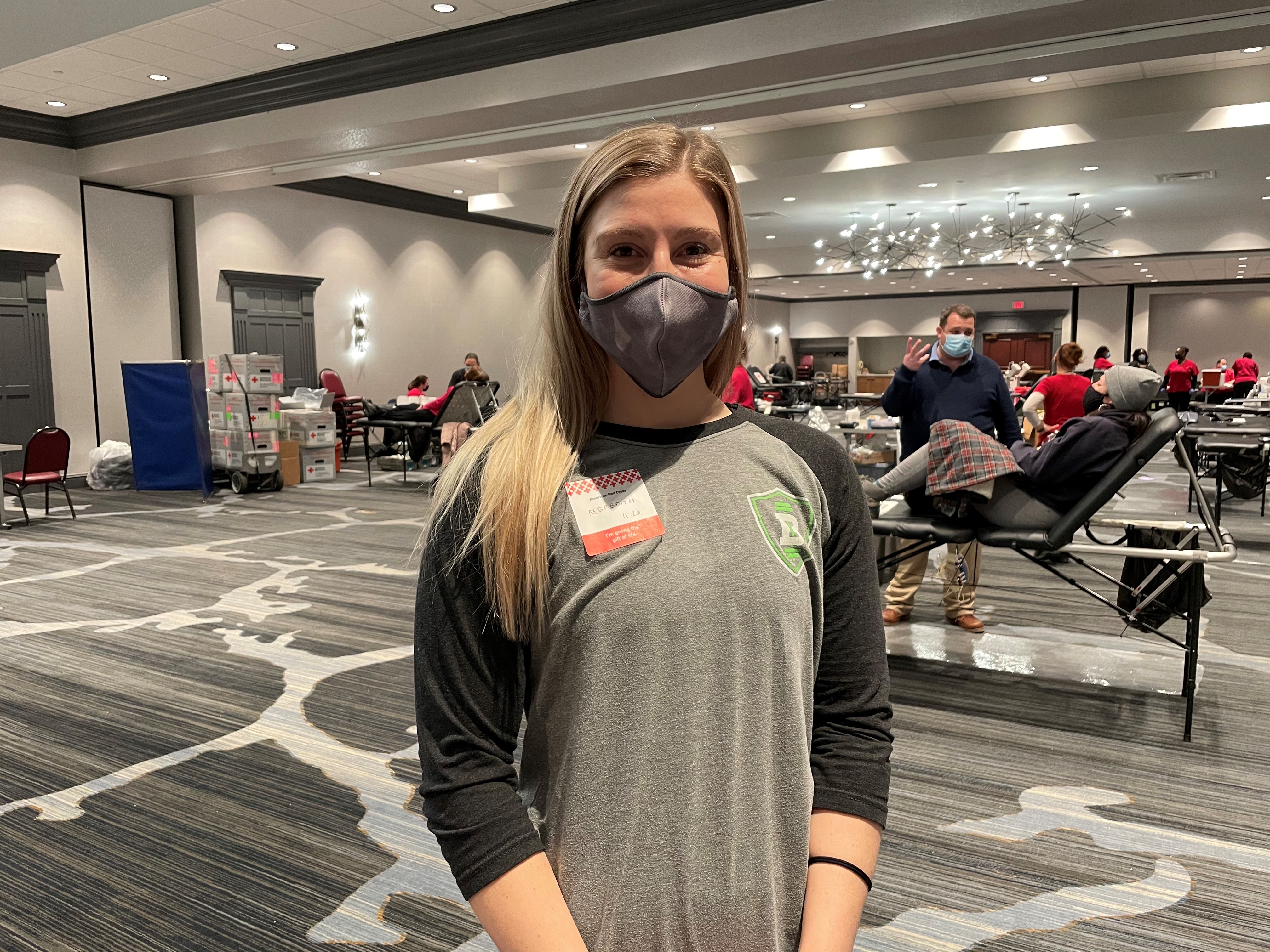
For Meredith Reinhard, this blood drive marked the first time she’s given blood. “As a first year PA student beginning in May, my goal for 2021 was to give back and go through the experience of donating blood,” she said. “I love that I get to save three lives and find out my blood type!”

Red Cross blood donor Meredith Reinhard

The Red Cross typically has a difficult time keeping the blood supply strong during the winter months when inclement weather and seasonal illnesses can impact donors. This year the pandemic adds in another challenge in meeting the constant need for blood products. Thanks to the 212 blood donors who came to give Tuesday, 208 pints of blood were collected for patients in need. That means up to 624 people may be helped, as each unit of donated blood can potentially help three people.

For those who were not able to give on Tuesday, the Red Cross continues to host blood drives throughout the region. You can find blood drives near you by visiting RedCrossBlood.org and searching by your zip code or by calling 1-800-RED CROSS (1-800-733-2767). Individuals can also download the free Red Cross Blood Donor App, which makes it easy and convenient to schedule and manage donation appointments and track the lifetime impact of your donations.

For more photos from the 2021 Give from the Heart blood drive, visit our Flickr album.

Northern Ohio has a new, lifesaving bloodmobile

By Tim Poe, American Red Cross volunteer

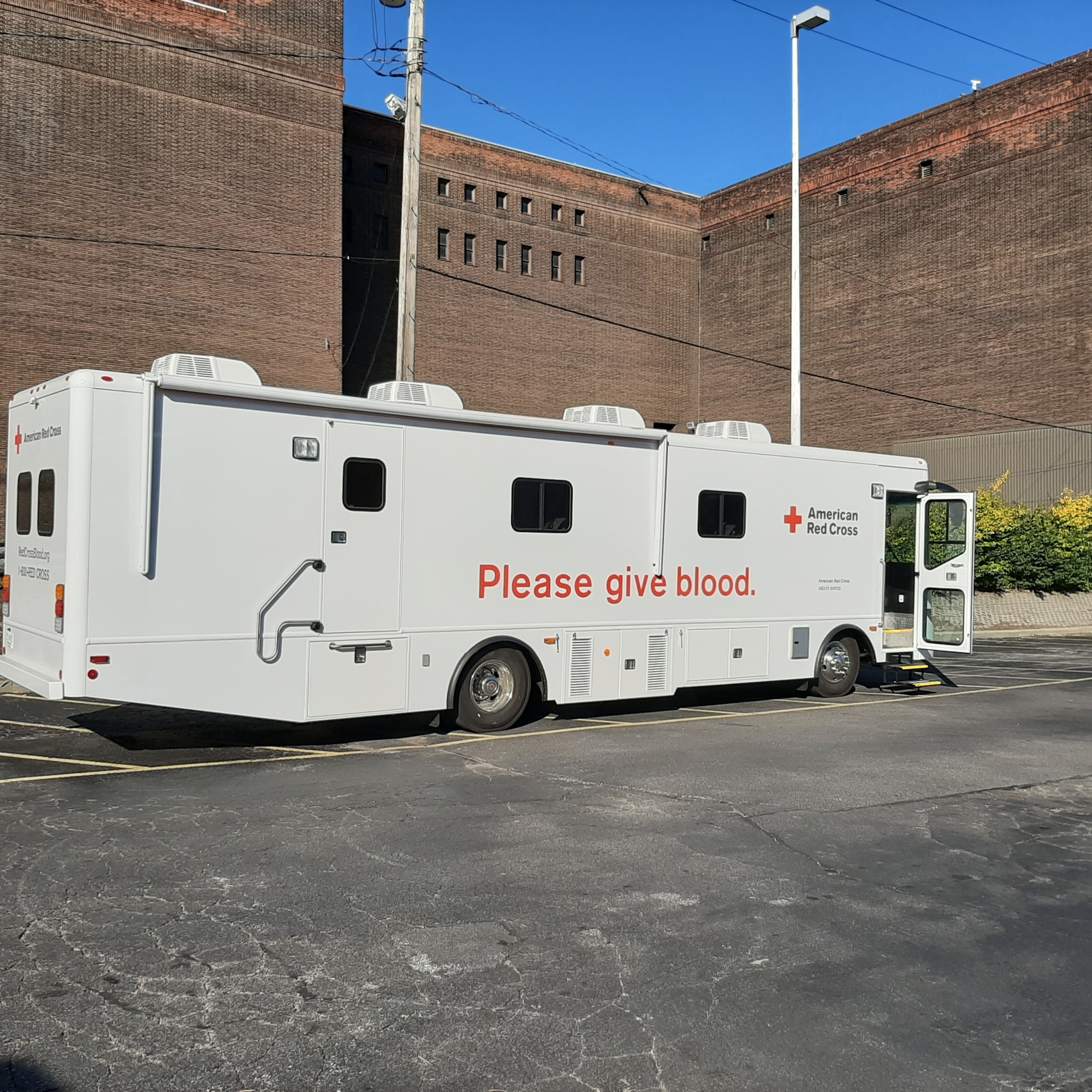
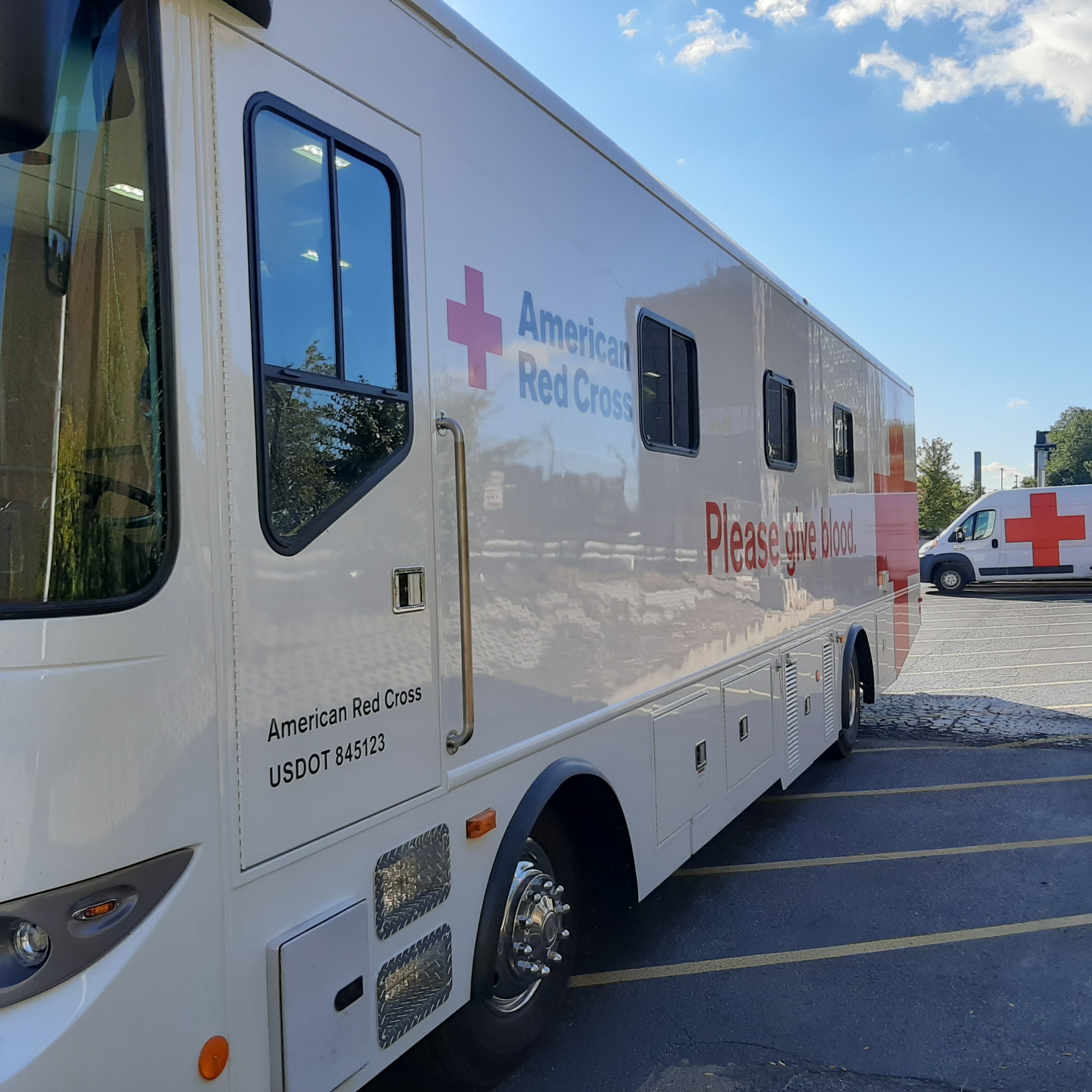
It may not transform into a spaceship or submarine, but the Northern Ohio region of the American Red Cross has a state-of-the-art, high-tech new bloodmobile to help save lives.

Thanks to the generosity of several sponsors, listed below, the new bloodmobile will collect approximately 28,000 units of blood over the next 10 years. As each unit helps up to three people, that equates to as many as 84,000 patients. These include those who have been in accidents, women giving birth and children with blood disorders.

To help illustrate the importance of bloodmobiles, more than 80% of all blood donations are made at mobile or organization-hosted blood drives. In addition, bloodmobiles are vital in reaching donors near homes, workplaces, schools and community-based locations.

Nationwide, the Red Cross holds more than 500 blood drives each day. Each year, more than 4.5 million units of blood are collected from nearly 2.6 million generous donors. Providing about 40% of the nation’s blood supply, the Red Cross is the single largest supplier of blood and blood products in the U.S.

Vehicles have long been a vital part of the Red Cross’ mission, from the wagon Clara Barton used as an ambulance in 1898, to the current fleet of bloodmobiles, emergency response and other vehicles used to reach those in need.

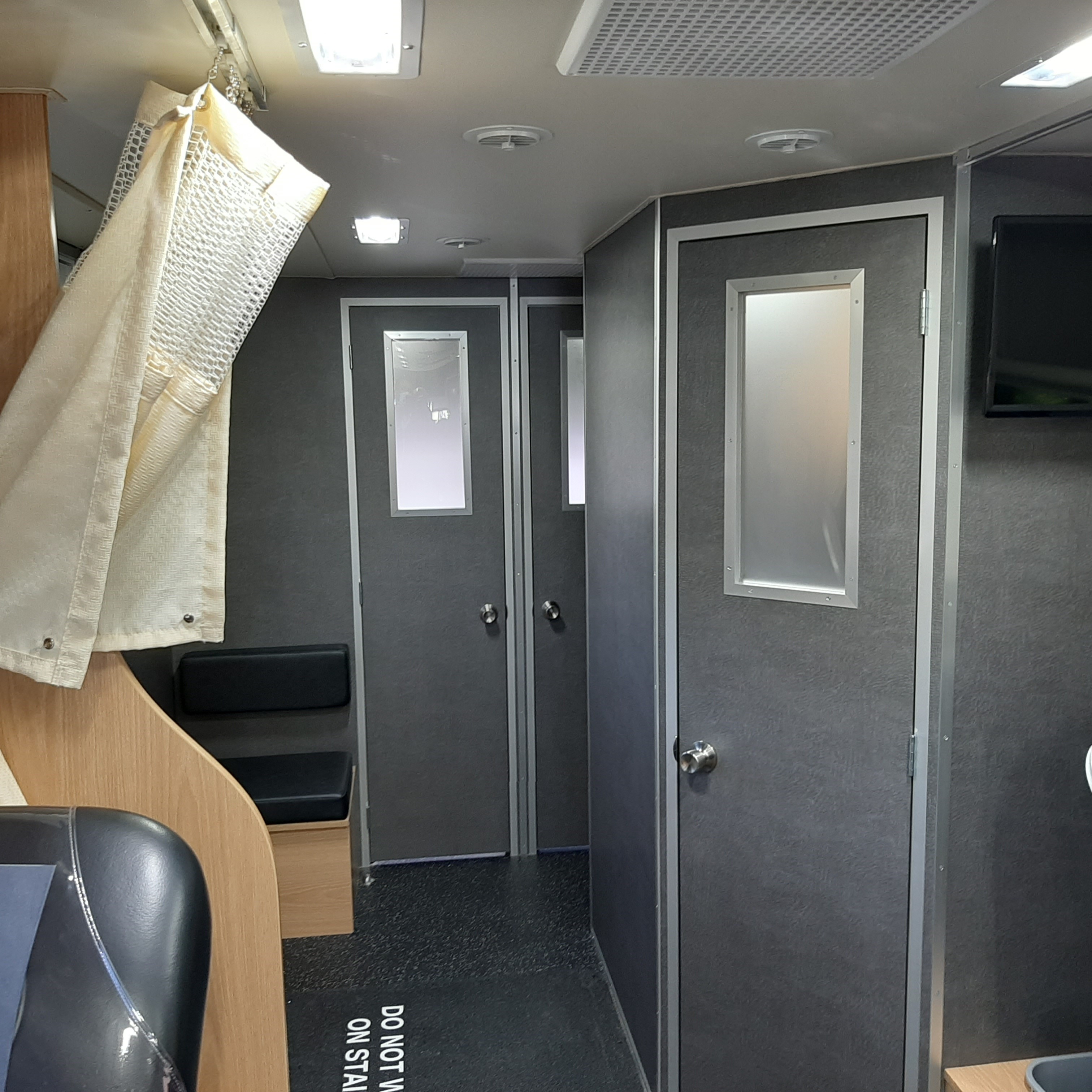
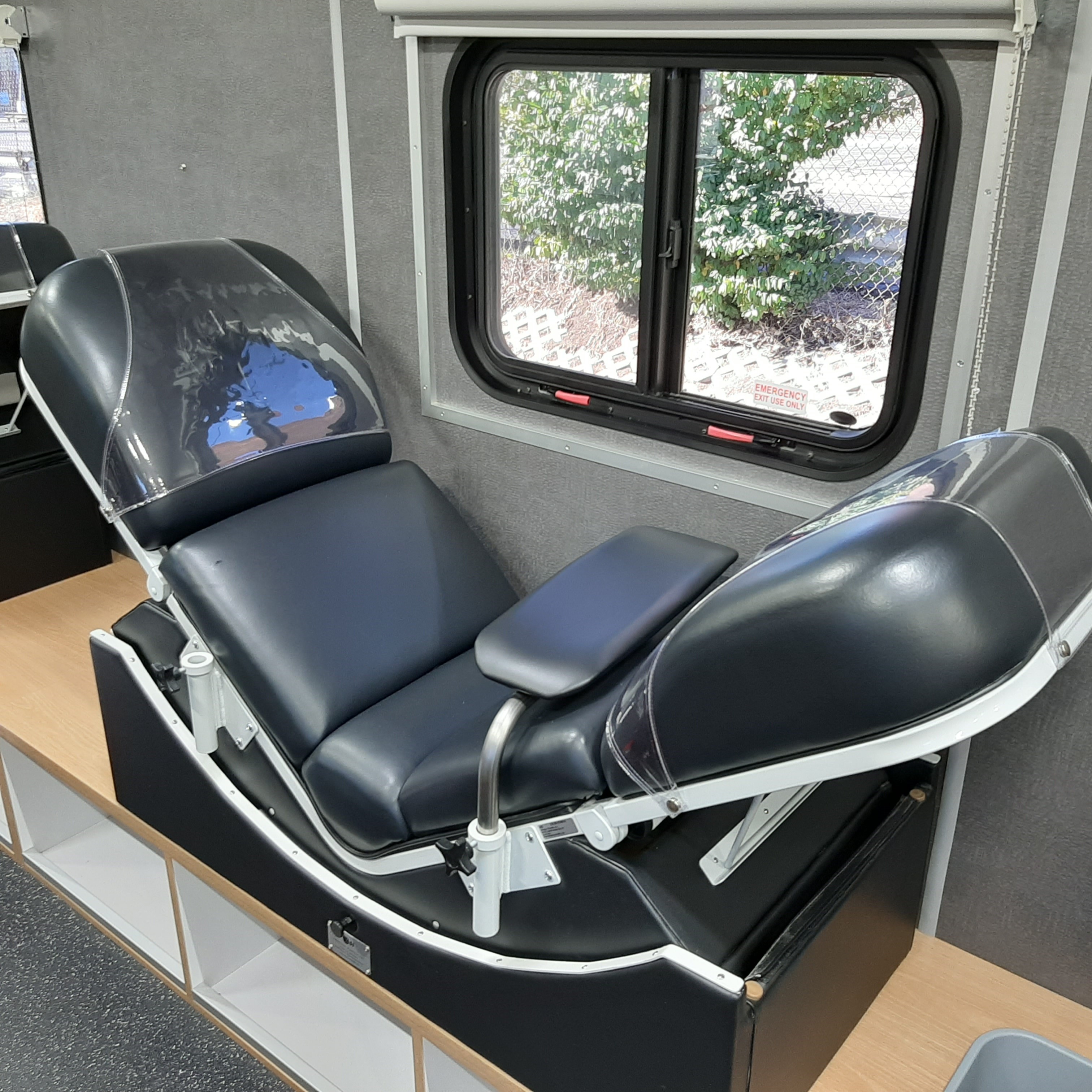
The new state-of-the-art bloodmobile, based in Cleveland, is 40 feet long and 8.5 feet wide. Designed to provide a safe, convenient and comfortable donor experience, the bloodmobile contains three health history booths where donor eligibility screenings are conducted and five beds where blood is drawn. It features advanced technology, iPads on each donor bed, a canteen and sofa area, climate control and a spacious interior.

The new bloodmobile provides the Red Cross with better access to new and harder-to-reach communities where the most needed blood types can be collected. It also better enables blood donations at corporations, community partners and organizations with limited space.

The new bloodmobile serving Northern Ohio is sponsored by:

  • The Ahuja Foundation
  • The Albert M. Higley Co.
  • Allied Witan Co.
  • Applied Industrial Technologies
  • ArcelorMittal USA
  • BakerHostetler LLP
  • Cleveland-Cliffs Inc.
  • Diebold Foundation
  • DiGeronimo Companies
  • Ernst & Young
  • FirstEnergy Foundation
  • George H. Deuble Foundation
  • The G. R. Lincoln Family Foundation
  • Highland Consulting Associates, Inc.
  • Hylant Group
  • Lincoln Electric Company
  • The Lubrizol Corporation
  • McDonald Hopkins
  • MCPc
  • The MetroHealth Foundation
  • Oatey Company
  • Oswald Companies
  • PricewaterhouseCoopers LLP
  • Rockwell Automation
  • Steris Corporation
  • SunTrust
  • The Timken Company
  • The Timken Foundation of Canton
  • United Way of Greater Cleveland
  • Willis Towers Watson
  • WKYC

To help meet the critical need for blood, sign up for a blood drive at a location near you at redcrossblood.org/give or call 1-800-REDCROSS (1-800-733-2767).

Edited by Glenda Bogar, American Red Cross volunteer

Photo credit: Brian Selecky, American Red Cross


Giving blood gives time to those fighting cancer

By Sue Wilson, American Red Cross volunteer

February 4, 2021- If you or someone you love have gone through a health scare of any kind, you know firsthand how your perspective changes in the blink of an eye. When my husband got his cancer diagnosis, we were shocked. We thought there was a simple explanation for his symptoms. We thought the biopsy was a routine test they were doing along with some others. We were in a state of disbelief when the doctor said that not only was it cancer, but it was advanced. He died a year later.

Cancer has a way of making time an all-consuming obsession. The realization that every minute is important, every day should be cherished, and that time is a precious commodity is never far from my thoughts. 

When you think about fighting cancer, the first thing you may think of is chemotherapy, radiation or surgery. What so many don’t realize is that many cancer patients undergoing chemo will likely have a need for blood. In fact, five units of blood are needed every minute to help someone going through cancer treatment. Patients fighting cancer use nearly one quarter of the nation’s blood supply – more than patients fighting any other disease. And, yet, only 3% of people in the U.S. regularly donate blood.

You may not have put the two together before but giving blood can help patients fight cancer. There simply aren’t enough people regularly donating blood to meet the ongoing need. That’s the message the American Red Cross wants to spread.

We know that not everyone is eligible to donate blood, so a financial donation is also encouraged. By making a financial gift in any amount, you’re helping to give patients and their families time, resources and the hope they need to fight back.

My grief had me vacillating between a depressive despair that made me want to do nothing and a manic desire to do anything and everything to help others who were suffering. But I didn’t know where to start. Donating blood is a start. It’s a meaningful way to honor someone you love who is battling or has battled cancer. To learn more and to schedule a blood donation appointment, visit RedCrossBlood.org.

To make a financial gift, visit redcross.org/donate.

Edited by Glenda Bogar, American Red Cross volunteers

Then and now: Celebrating Black History Month, recognizing African American contributions to Red Cross

By Doug Bardwell, American Red Cross volunteer

February 1, 2021- It’s 1860, and there’s an outcry from voters who can’t accept the results of that year’s election. Abraham Lincoln is declared winner, without carrying a single southern state. Before his inauguration, seven southern states secede from the union, followed by others soon thereafter. Civil war ensues. 

As the Civil War concludes in 1865, Clara Barton is commissioned by Abraham Lincoln to locate missing soldiers. She sends 63,000 letters and locates 22,000 missing men. The American Red Cross is founded 16 years later in 1865 in Washington, D.C., and is still in charge of contacting armed service members.

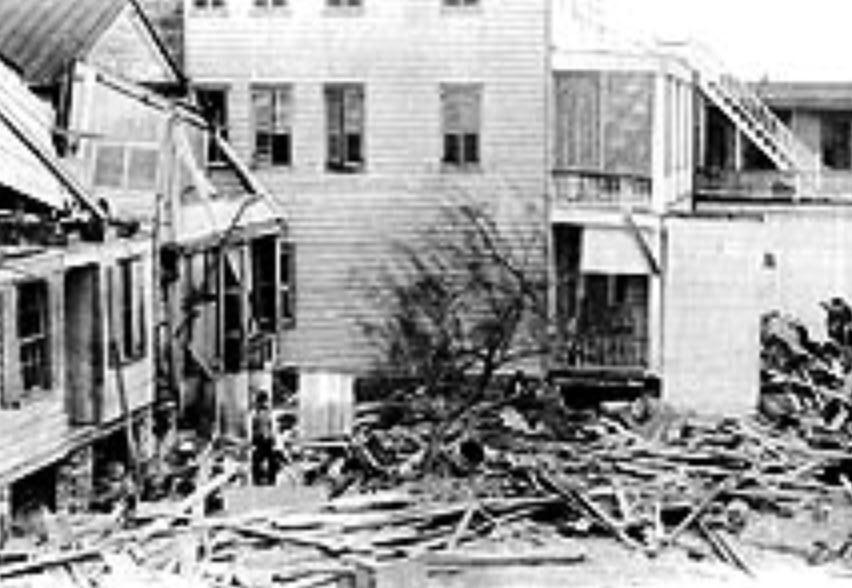
With Lincoln gone, Reconstruction effectively fails, and thousands of freed slaves are forced to return to the plantations and their former owners. Many stayed along the eastern coastline. In 1893, the country’s largest recorded hurricane hit the coastal islands with a storm surge of 10 to 12 feet and 20-foot waves on top of that, killing up to 3,500 inhabitants, 92% of which were Black.

Clara Barton answered the call to this huge disaster, the biggest to date for the Red Cross. The U.S. Congress refused to provide any aid short of some seeds, tents and a couple deep-draft boats. All the funds to care for 30,000 displaced persons had to come via requests for donations from Clara, who got newspapers to run the story across the entire eastern half of the U.S.

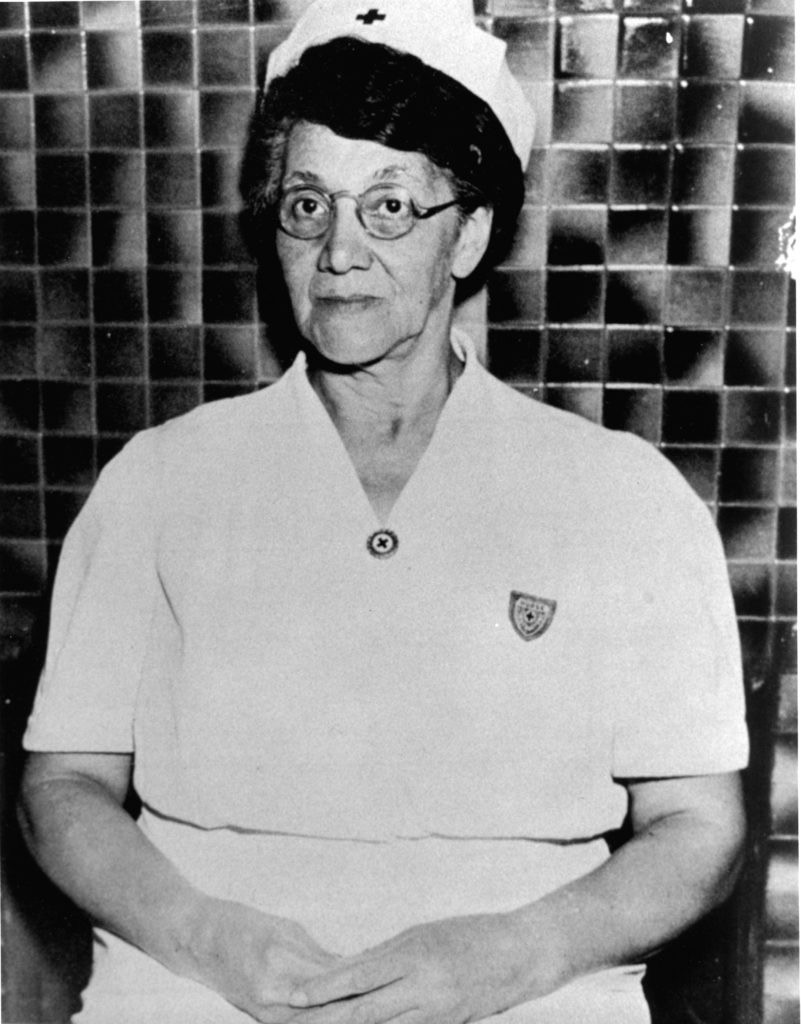
Frances Reed Elliott Davis

Possibly motivated by Clara’s efforts, 10-year-old Frances Reed Elliott Davis was growing up in North Carolina and had lived through that storm. Despite being orphaned, she taught herself to read and write. Wanting to become a nurse, she entered nursing school in 1910. She was the first African American to pass the final board exams in Washington, D.C. Eight years later, she became the first officially recognized African American nurse to be accepted into the Red Cross Nursing Service.

That same year, Red Cross nurses combated the worldwide H1N1 influenza epidemic. With the returning injured troops from World War I, and the raging pandemic, Red Cross volunteers grew to 20 million adults and 11 million junior members. 

Later, in Michigan, Davis helped organize the first training school for African American nurses at the Dunbar Hospital. In the 1940s, Davis established a childcare facility that caught the attention of first lady Eleanor Roosevelt, who helped plan for and fund the center.

Mary McLeod Bethune

About this time, Mary McLeod Bethune was serving as an advisor to President Roosevelt. She became the highest ranking African American woman in government when the president named her director of Negro Affairs of the National Youth Administration, making her the first African American woman to head a federal agency.

Bethune was one of five committee members who made recommendations on the blood plasma project, the use of African American staff in overseas service clubs, the enrollment of African American nurses, and the representation of African Americans on local and national Red Cross committees and staff departments.

Dr. Jerome Holland

During his time as president of Hampton University in 1964, Dr. Holland became a member of the American Red Cross Board of Governors. He served as a member until he resigned in 1970 to become the U.S. Ambassador to Sweden. He was the second African American to lead a delegation in any European nation.

Dr. Holland was later appointed by President Jimmy Carter to be the chairman of the American Red Cross Board of Governors in 1979, and was the first African American to hold this position. Because of his commitment to the Red Cross, he was appointed again in 1982.

While serving on the board, Dr. Holland showed a passion for blood research and took the lead in consolidating growing laboratory operations for the Red Cross Blood Services program. He also encouraged Red Cross regions to integrate their volunteers so important services could be extended to the entire community, regardless of a person’s ethnicity or background.

We salute them

History has a way of repeating itself. Whether it is a pandemic flu, a giant, slow-moving hurricane or the need to improve blood research, the same needs are still being met by the Red Cross today. To contribute to the cause, click here. To volunteer and do your part to help others in need, click here.

Other African American contributions

To read more about the contributions of other African Americans to the American Red Cross, you might like these articles:

Steve Bullock – Acting President of American Red Cross in 1999

Frederick Douglass – Friend of Clara Barton

Gwen T. Jackson – American Red Cross Board of Governors

Dr. Charles Drew –  Blood Bank Pioneer

Edited by Glenda Bogar, American Red Cross volunteer
Northeast Ohio donors and nurse see firsthand how simple act of donating blood saves lives, urge others to give to make a difference

By Eilene E. Guy, American Red Cross volunteer

January 28, 2021- Jennifer Bowen of Tallmadge, Ohio, rolled up her sleeve at an American Red Cross blood drive recently and donated for the first time. “I wish it didn’t take a tragic event to make me realize how simple it is to help save a life!” she said. 

“My niece Alivia is only 12 years old and needs weekly blood transfusions to survive, due to her diagnosis of Severe Aplastic Anemia. Alivia, while living with this condition, is so positive, so strong and just inspires me to make a difference in the world!” explained Jennifer.  

January is National Blood Donor Month, which spotlights the fact that due to seasonal illnesses, the number of people signing up for blood drives drops off. But the need for lifesaving or life-sustaining blood transfusions never dries up. 

Jesika Florin of Hudson, Ohio, sees that need up close and personal: “I’ve been a nurse for over a decade. I administer all blood products to patients on a regular basis. 

“I’ve seen the baby fighting for life with a bad heart. I’ve seen the dad who endured traumatic injuries from a car accident. I’ve seen the pregnant mother losing her child. I’ve seen the grandmother who couldn’t afford health care and put everyone’s needs above her own only to find her body giving out. I’ve seen the teenage son who sustained gunshot wounds.”

“Blood products saved these people’s lives. The countless bags of blood products I’ve hung have all had stories of lives saved and lives lost. I see the difference a 15 to 30 minute donation can make. I see the life come back in a person after a transfusion. It may be a needle stick to my arm, but it’s someone’s family I’m helping to have more time with those they love.” 

Jesika donates, and she has advice for anyone considering giving blood for the first time: “Hop up on that table, put your latest show on your phone, breathe (because 1, 2, 3…stick). Now, close your eyes, clear your head and thoughts, just relax, and take a few moments for you. Once you’re all done, grab your snack, and walk out knowing you just saved someone’s life, or three.” 

Three? What does she mean by “three?”  

Every unit of whole blood can be administered as is, such as to accident victims or sickle cell patients. Or a unit of blood may be separated into its main components:  

  • red blood cells (frequently given to trauma and surgery patients) 
  • platelets (used to treat blood disorders like anemia and certain cancers) 
  • plasma (used to treat a variety of acute conditions, such as severe burns). 

David Masirovits of Ashtabula, Ohio, is committed to Power Red donations. Power Red is similar to a whole blood donation, except a special machine is used to allow the donor to safely give two units of red blood cells during one donation while receiving their plasma and platelets back at the same time. 

“My sister Susan and I had a Power Red competition for several years until she passed away in 2016,” said David. “So now I give for her and am proud to do so. My sister started it and now I get to finish it. When she passed, she had 28 Power Red donations. 

“For an hour of your time, you have the opportunity to change someone’s life forever. Someday this life could be a friend and or a family member. So do it, please!” urged David. 

To sign up for a blood drive near you, visit RedCrossBlood.org or call 1-800-REDCROSS (1-800-733-2767). 

Edited by Glenda Bogar, American Red Cross volunteer

Red Cross board member donates plasma to help others recover from COVID-19

By Eric Alves, American Red Cross of Northern Ohio

January 25, 2021- Over the past year, our lives have been consumed by news and updates regarding the coronavirus. We have experienced school closures, canceled vacations, social distancing and mask wearing.

Many of us however have either experienced the virus firsthand or know someone who had COVID-19. For Debbi Grinstein, both experiences are true.

Debbi, a trust officer for Farmers Trust Company, previously served as the board president for the Lake to River Chapter and is currently a board member for the American Red Cross of Greater Akron and the Mahoning Valley. In addition to serving on the board of directors, Debbi is also a Disaster Action Team volunteer, assisting residents following a local disaster.

Debbi Grinstein

On December 10, 2020, Debbi began to experience postnasal drip, feeling achy and had a slight fever. That is when she found out that she would join the list of millions of Americans who had COVID-19.

Despite the diagnosis, Debbi considered herself lucky because despite the slight symptoms, she was able to continue to work and exercise at home, and her recovery was quick.

In addition to herself, Debbi experienced the virus through a loved one, as her son, who lives in New York City, also was diagnosed with COVID-19.

During her recovery process, Debbi decided right away that she was going to donate convalescent plasma once she was fully recovered, to try to help others overcome the virus because “it was the right thing to do.”

Convalescent plasma comes from patients who have recovered from the coronavirus. Plasma is the part of blood that remains after red and white blood cells are removed. It is rich in proteins and antibodies. Hospitals and research labs around the country are working to see if these antibodies can help the immune system fight COVID-19.

On January 15, Debbi attended her scheduled appointment at the Akron Donation Center to donate her valuable convalescent plasma.

To those who have recovered from COVID-19 but are on the fence about whether they should donate their convalescent plasma, Debbi has a message for you: “Convalescent plasma is helping a lot of people and it does not hurt when you donate.”

Those who have received a verified COVID-19 diagnosis, have fully recovered and have been symptom free for at least 14 days are urged to sign up to give convalescent plasma by completing the donor information form HERE.

To hear more about Debbi’s COVID-19 journey and about her convalescent plasma donation, be sure to follow our Twitter, Facebook and YouTube pages for an upcoming video conversation with her.

International Hugging Day has new meaning this year

By Renee Palagyi, senior program manager, Disaster Cycle Services

January 21, 2021- January 21 is International Hugging Day. Many times I have said, “Wow, there’s a day for EVERYTHING!” Some trite, some powerful but all get recognition. This year, a day devoted to a simple gesture has taken on a whole new meaning.

No words required, a hug is filled with compassion, caring and empathy. It expresses an understanding far beyond language.

September 17, 2020. Salem, Oregon. American Red Cross volunteer Leslie Sierra delivers a comfort kit to Juanita Ann Hamann who is staying in a Red Cross hotel shelter. Ms. Hamann says, “My time at the Red Cross shelter has been wonderful. It feels like being adopted by a guardian angel.” Photo by Scott Dalton/American Red Cross

Are you a person who gives a hug or are you more comfortable with a handshake or maybe even just a nod and a smile? Did you know that a hug can actually boost the hormone oxytocin? Sounds mysterious but the release of that soothing chemical helps us feel safe, boosts our immune system and lowers our stress levels. Studies have shown that a 20-second hug reduced blood pressure and heart rate for a full day! Makes you want to give a hug, doesn’t it?

For nearly a year, the pandemic has placed a barrier on this healing act for all but our immediate “bubble.” Those of us who work in Disaster Cycle Services for the American Red Cross have seen firsthand the power of the hug for many years, and we have been missing it over these past many months.

September 18, 2020. Gates, Oregon. American Red Cross volunteer Eric Carmichael talks with Sabrina Kent whose home was totally consumed by the wildfires. Sabrina has come to look at the remains of her home after the Oregon wildfires. Photo by Scott Dalton/American Red Cross

Meeting those families after a devastating fire and standing six feet away has been painful. We want so badly to reach out to them, to let them “hold on” for a few precious moments, to allow them to know the comfort and care that only a hug can provide. At both sides of that invisible six-foot line are human beings who know and want the power of human touch.

We all look forward to the day when we can safely offer true comfort, a gentle hug, to people who’ve experienced a disaster and who need our help.  

September 21, 2020. Pensacola, Florida. J.R., a photographer from Alabama had just moved to Pensacola, Florida, so Hurricane Sally was his first hurricane experience. “The water was up to my knees.” He currently has a tree up against the side of his house that threatens to break through the window if he can’t get it removed. Photo by Jaka Vinek/American Red Cross

For more information about the Red Cross’ Disaster Relief and Recovery services, click here. If you are interested in helping families and offering support to individuals who have experienced a disaster, explore the volunteer opportunities with the Red Cross’ Northern Ohio Region. Check out the opportunities here.

Edited by Glenda Bogar, American Red Cross volunteer

Akron athletic trainers recognized for using Red Cross training to save life

By Eric Alves, American Red Cross of Northern Ohio

January 20, 2021- Have you ever wanted to get CPR and AED training, but you thought you would never have an opportunity to use your training to save a life? Well, hopefully today’s post will change your mind.

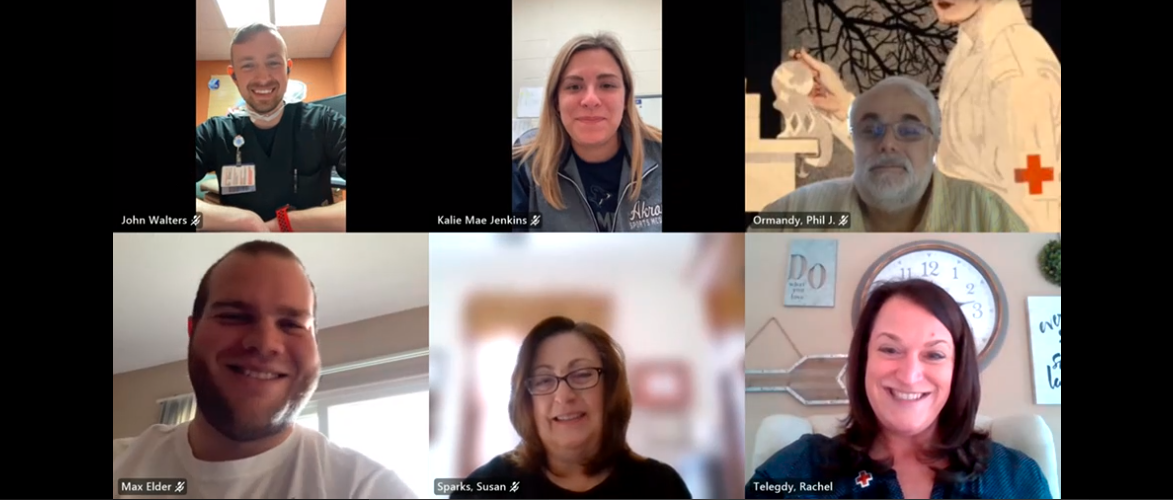
John Walters and Kalie Jenkins are athletic trainers at the University of Akron.

On January 11, 2020, while working during an indoor track meet at the Stile Athletic Field House, a spectator in the stands began to experience chest pains.

John and Kalie quickly responded to the aid of the gentleman. Instantly their Red Cross training kicked in as they delivered breath and chest compressions and administered an AED, until first responders were able to arrive to assist.

Thanks to the quick thinking and responsiveness of John and Kalie, the spectator survived and made a full recovery.

During a virtual ceremony last week, the American Red Cross of Greater Akron and the Mahoning Valley presented John and Kalie with the Lifesaving Award for Professional Responders, the highest award given to an individual, or team of individuals, who saves or sustains a life, outside of a medical setting, as part of their employment or while on duty.

A screenshot from the virtual award presentation. Left to right/top to bottom: John Walters, Kalie Jenkins, Phil Ormandy, Max Elder, Susan Sparks, Red Cross Training Services, and Rachel Telegdy.

“I am always amazed when someone takes the wherewithal to act. That is the hardest step,” stated Phil Ormandy, American Red Cross Training Services, during the presentation. “I am very proud of you [John and Kalie] and thankful that you put your training in action to save a life.”

“Thankfully John and Kalie were at the right place at the right time. I am proud of them and the University of Akron for holding these trainings,” said Max Elder, John and Kalie’s coworker, who nominated them for the award.

The American Red Cross offers training programs in various areas from first aid, CPR, AED administration, water safety, babysitting and more. Learn more about Red Cross lifesaving courses here.

If you wish to nominate someone for a lifesaving award, visit redcross.org/take-a-class/lifesaving.

Remembering the legacy of Rev. Martin Luther King

By Mike Parks. Regional CEO, American Red Cross of Northern Ohio

The Reverend Martin Luther King, Jr. (1/15/29 – 4/4/68) was an American Baptist minister and activist who became the most visible spokesperson and leader in the civil rights movement from 1955 until his assassination in 1968.  A truly gifted and inspirational orator, one of his lasting legacies is the moving quotes attributed to him, including one that I’m sure resonates with all of us, “Life’s most persistent and urgent question, ‘What are you doing for others?’”  Fitting for any Red Crosser!

Mike Parks

As we’ve all seen, we’re living in turbulent times.  Around the country the Red Cross is preparing to support those impacted by potential unrest.  Two of Dr. King’s most important tenets were, “ Our lives begin to end the day we become silent about things that matter,” and “The ultimate measure of a man is not where he stands in moments of comfort and convenience, but where he stands at times of challenge and controversy.”    Yes, Dr. King fully supported and participated in many peaceful protests.  Our sincere hope is those who choose to protest over the next few days live by one of Dr. King’s other key principles, “Nonviolence is a powerful and just weapon.  Indeed it is a weapon unique in history, which cuts without wounding and enables the man who wields it.”

As I think about our service in the Red Cross and some of the things Reverend King said in his life, which was cut tragically short, I reminded of his comment, “Darkness cannot drive out darkness, only light can do that.  Hate cannot drive out hate, only love can do that.”  You’ve heard me say many times, the Red Cross, in a word, is all about “caring.”  In my mind, our form of caring is also a form of love, as we show compassion to those we serve, as we bring light to the darkness they may be feeling at their most vulnerable.  Thank you for caring!

Finally, one of my personal favorite quotes from Dr. King are words he spoke 55 years ago right here in Ohio at the Oberlin College Commencement speech in 1965, “The time is always right to what is right!”

Thanks again for all you do.  Please stay safe and well, always remembering to practice C-D-C (cover-distance-clean)!!  Best regards…Mike

Editor’s note: Resolve to volunteer in honor of MLK Day of Service. Learn more about ways in which you can help others here.

FirstEnergy Foundation becomes Red Cross Disaster Responder partner
$250,000 donation to help prepare for, respond to future disasters

The American Red Cross is recognizing Akron-based FirstEnergy Foundation for supporting Red Cross Disaster Relief through the Disaster Responder Program with an annual pledge of $250,000. Thanks to contributions in advance of disasters, the Red Cross is prepared to help meet the needs of people affected by disasters big and small, anytime and anywhere across the U.S.

The gift was presented this week during a virtual check presentation.

Disaster Responder members—along with their employees and customers—pledge financial and in-kind donations in advance of disasters, powering the Red Cross with strong infrastructure, trained volunteers, innovative technology and critical resources necessary to provide relief and support to those in crisis. These annual contributions allow the Red Cross to respond whenever and wherever disasters occur, help families during the recovery process and prepare people for future emergencies.

Jill Patterson, Red Cross philanthropy officer (top), Ed Shuttleworth, regional president, Ohio Edison, Rachel Telegdy, executive director, American Red Cross of Greater Akron and the Mahoning Valley, and Lorna Wisham, President, FirstEnergy Foundation

“Every day in the face of disasters, the generosity of Disaster Responder members like FirstEnergy Foundation ensures the Red Cross can provide comfort and care to people in their darkest hours,” said Michelle Polinko, regional chief development officer at the American Red Cross of Northern Ohio. “We are extremely grateful for these contributions before disasters strike because it enables us to respond to disasters immediately and compassionately, when help and hope are needed most.”

While large disasters like hurricanes, floods, tornadoes and wildfires typically draw national attention, each year, the Red Cross responds to more than 60,000 disasters across the country—the majority of which are home fires. Generous contributions from Disaster Responder members enable the Red Cross to provide services to people in need of assistance at no cost and regardless of income.

Generous contributions from Disaster Responder members enable the Red Cross to provide services to people in need of assistance at no cost and regardless of income.

And thanks to Disaster Responder members, Red Cross volunteers are also in their local communities every day, conducting disaster preparedness presentations virtually and giving people the reassurance and confidence to face crises of all kinds.

Other Northern Ohio members of the Disaster Responder program include the Marathon Petroleum Foundation, Inc. and the J. M. Smucker Company.

Individuals can help people affected by disasters big and small by making a gift to American Red Cross Disaster Relief. Donations to Disaster Relief enable the Red Cross to prepare for, respond to and help people recover from disasters. Visit redcross.org, call 1-800-REDCROSS or text the word REDCROSS to 90999 to make a $10 donation.