World Sickle Cell Day

By Eilene E. Guy, American Red Cross Volunteer

What do Juneteenth (today) and World Sickle Cell Day (also today) have in common? Both of these events focus on African Americans.

Glinda Dames-Fincher is a member of the American Red Cross Sickle Cell Sub-committee in northern Ohio. She’s a proud, outspoken “sickle cell warrior” calling for more Black blood donors.
Glinda Dames-Fincher

“Over 80 percent of Americans with Sickle Cell Anemia are of African descent, and ethnicity matters with blood transfusion,” she said. Many individuals who are Black have unique structures on their red blood cells that make their donations the most compatible to help patients with sickle cell disease. Glinda likes to think of it as “special sauce.”

“So please, African Americans, roll up your sleeves and help sickle cell warriors like me fight their battle!”

For Glinda, the need is personal. In order to combat the many effects of sickle cell (SCD) on her body, she gets two units of red blood cells every month; the procedure involves withdrawing one unit of her damaged blood each time and then transfusing in two units of healthy red cells.

She figures she’s received more than 600 units of red cells, between regular transfusions and the many surgeries she’s undergone to repair organs damaged by oxygen deprivation.

Glinda is a wealth of knowledge about sickle cell:

 This inherited disorder makes red blood cells sticky, rigid and curl into a C “sickle” shape, limiting their ability to carry oxygen into every tissue in the body. The misshapen cells also tend to clump, leading to various complications. “For many pediatrics, a stroke is their first major sickle cell event,” she said.

 When tissues are starved of oxygen, something as simple as a change in the weather can trigger excruciating pain – called a sickle cell crisis – lasting from hours to days or even weeks. That often sends sickle cell sufferers to emergency rooms for treatment, including pain killers and blood transfusions.

 Sickled red blood cells also die prematurely: The distorted cells die within 10 to 20 days, compared to normal red blood cells that typically last 100 to 120 days. That leads to a shortage of red blood cells, a type of anemia. Here again, transfusions are crucial.

 Glinda is 64. “When I was born, life expectancy for a sickle cell patient was 18 years. Now it’s 40 to 60 years, thanks to medications and research,” she said. However, over time, patients may be subject to persistent infections, and damage to kidneys, heart, lungs and other organs.

 SCD affects more than 100,000 people in the United States. Eight out of 10 of them are of African descent; the rest are Hispanic or trace their ancestry to south Asia (such as India), southern Europe (Greece and Italy) or the Middle East (such as Saudi Arabia and Lebanon).

 SCD testing is part of the routine blood tests for newborns in the United States. Additionally, the Red Cross provides sickle cell trait testing for all blood donors who identify themselves as Black or African American. Those with the “trait” inherited a sickle cell gene from one parent; those who got a sickle cell gene from both parents are born with the disease.

Since the best blood match for a patient receiving ongoing transfusions comes from donors of the same genetic background, the Red Cross is urging people of all ethnicities to give blood and help increase the number of diverse donors, so we can find the best match for all patients.

Watch this video that documents Glinda’s ongoing struggle with sickle cell disease.

In honor of Juneteenth, learn more about SCD and please make an appointment to donate blood at RedCrossBlood.org/SickleCell.

Posted by Ryan Lang, American Red Cross board member and volunteer

Red Cross aims to increase African American blood donations to combat sickle cell disease and meet critical need

By Eilene E. Guy, American Red Cross Volunteer

Recently, I was talking with visitors at a family health fair, explaining the always- urgent need for blood donations. I was especially targeting African-Americans, asking what they know about sickle cell disease.

Interestingly, their responses ranged from a blank look to, “Yes, I lost a cousin to sickle cell.”

Keith Lofton of Olmsted Falls at a recent blood drive in Rocky River

Apparently this is not unusual, which is why the American Red Cross is leading a national drive to raise awareness and recruit more blood donors who are Black. This is because their blood is uniquely suited to help patients with sickle cell disease live full and comfortable lives.

“As an organization dedicated to alleviating suffering, the Red Cross is committed to the health and well-being of all communities, and a diverse blood supply is critical to improving health outcomes for all patients – especially those with sickle cell disease,” said Gail McGovern, CEO and president of the Red Cross. “For someone facing a sickle cell crisis, a blood transfusion can make a lifesaving difference.”

Sickle cell disease (SCD) is a hereditary condition that can be life threatening. It leads to anemia (a shortage of red blood cells), causing fatigue and possible damage to blood vessels and vital organs. It often causes severe pain that can last for hours or days; it can even lead to disabling strokes.

In the U.S., it’s estimated that more than 100,000 people have SCD and roughly 1,000 babies are born with the disease every year. SCD knows no national boundaries, which is why June 19 is designated World Sickle Cell Day.

Blood transfusions from individuals of the same race or similar ethnicity and blood type are the most effective way to help patients experiencing a sickle cell crisis. Since the majority of people with sickle cell are of African descent, blood donations from Black individuals are critical in helping those suffering from this disease.

Sabrina Spikes works full time for the Red Cross to rally African-American civic and faith-based organizations to recruit and educate.

“It’s vital that we get the word out as much as possible, to get more blood donors who are Black,” she said. “Here in northern Ohio, we’ve seen an increase (in donor numbers), but we still have work to do. Especially in the summer, when blood donations tend to fall off.”

In addition to recruitment, Sabrina’s other priority is education: preparing potential donors for a successful experience at a blood drive.

“Preparation is key,” she said. “Drinking plenty of water and eating iron-rich foods is important. And cutting out caffeinated beverages — coffee, tea, sodas — that slow the absorption of iron helps cut the deferral rate of donors, especially African-American women.”

Sabrina herself carries the trait for sickle cell, although she does not have the disease. It was important for her to know that: If the father of her three children had also had the trait, the children would suffer from the life-long condition. Sadly, too many babies are born with SCD.

The need for blood is not limited to patients with sickle cell disease. Every two seconds someone in the U.S. needs a blood transfusion, including women or girls experiencing childbirth complications, people fighting cancer, surgery patients and accident victims.

Bridget C. Miller Harper of Cleveland at the Browns Blood Drive in July, 2021

Fifty-one percent of people who are Black have type O (positive or negative) blood, in comparison to approximately 45% of white individuals. Type O blood is most often needed by hospitals to help patients, so donors who are Black play a critical role in meeting the constant need for blood.

Blood products have a limited shelf l-life and volunteer donors are the only source of blood and platelets for patients in need of lifesaving transfusions.

“My call to action is, schedule a blood donation appointment by visiting  RedCrossBlood.org, downloading the  Blood Donor App  or calling 1-800-RED CROSS,” Sabrina said.

Edited by Glenda Bogar, American Red Cross volunteer
Posted by Ryan Lang, American Red Cross volunteer and board member

World Sickle Cell Awareness Day highlights need to fill Missing Types

By Glinda Dames Fincher

June 16, 2019- My name is Glinda Dames Fincher and I have lived with sickle cell disease for 60 years. Today is World Sickle Cell Awareness Day.

Sickle cell disease affects red blood cells. It makes them hard and sickle shaped instead of soft and round. As a result, blood has difficulty flowing smoothly through the blood vessels and carrying oxygen to the rest of the body.  This causes severe anemia and excruciating pain called sickle cell crisis.

Because of my illness, I depend on blood donors giving blood on a regular basis. As part of my treatment, I receive monthly red cell exchange transfusions. I receive two pints of red blood cells during each of these transfusions. If I have to undergo a major surgery, I receive a total exchange transfusion, which requires about seven to nine units of red cells. I have received regular blood transfusions for the last 20 years to help manage my sickle cell disease. Without donated blood, sickle cell patients face sickle cell crisis, and other complications such as strokes, organ failure, chronic wounds, and shortened lifespan.

48045816232_02bab26337_o

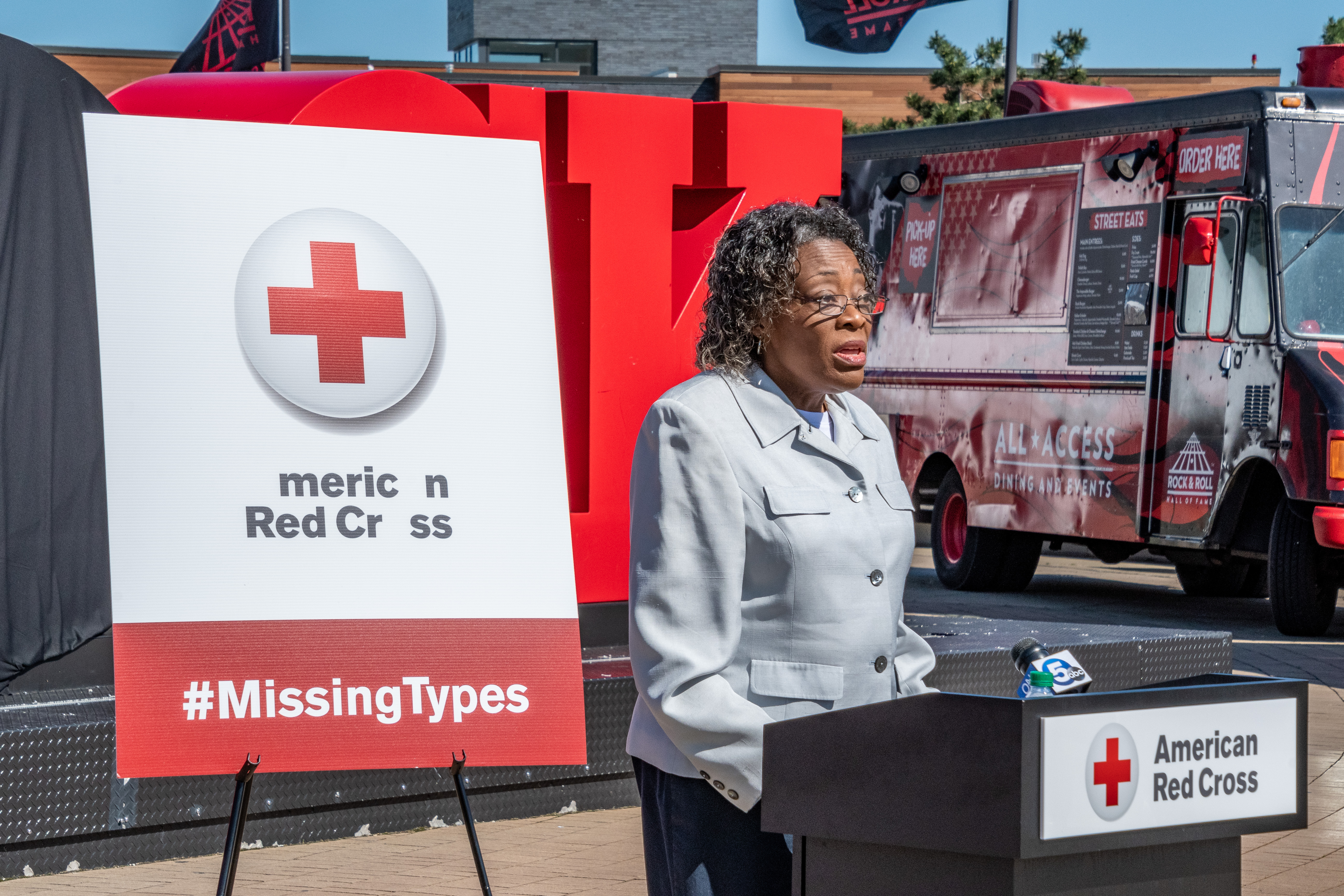
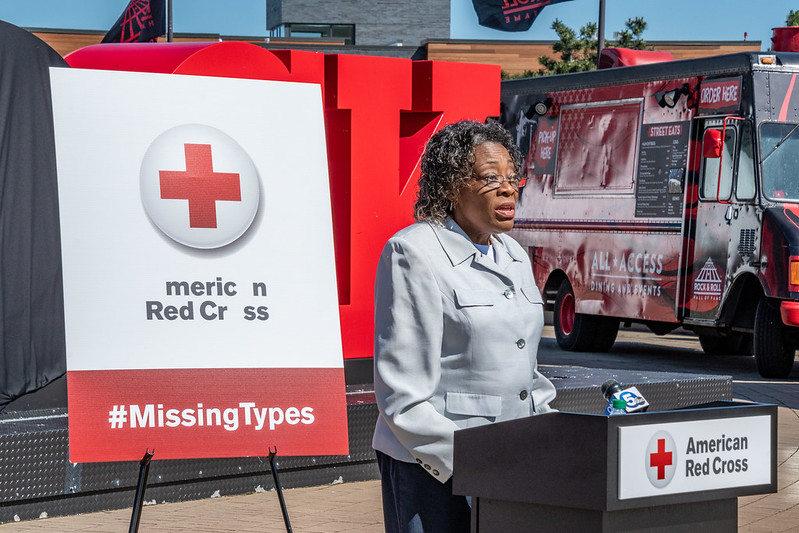
Glinda Dames Fincher speaks at the the Missing Types campaign kick-off at the Rock & Roll Hall of Fame in Cleveland

Since most of those with sickle cell in the U.S. are of African and Latino descent, those who receive frequent blood transfusions need blood from those of their same race in order to decrease the chances of the patient having a reaction to the red cells. African American and Latino blood donors are greatly needed to provide the lifesaving transfusions needed not only by those with sickle cell, but also those with other diseases such as cancer, kidney failure and other chronic disorders.”

MT 2019_TW_cover 3

I encourage everyone to help fill the Missing Types this summer. Sickle cell disease is the most common inherited blood disorder in the US and the world, with about 100,000 with the disease in the US, and an estimated 10 million with the disease worldwide and 100 million carriers of the sickle gene which they may pass on to their children. More blood donors are needed now. Join the American Red Cross and give blood to ensure patients like myself, and so many others, have the lifesaving treatment we need.

Do your part to help fill the missing types this summer and help save lives by visiting RedCrossBlood.org/MissingTypes to schedule a donation appointment today.