As extreme weather events increase, so does the need for Red Cross services and volunteers

2024 is predicted to be an extremely active year

By Tim Poe, American Red Cross Volunteer

Polyrhythms of raindrops drum at the window, accented by rolling bellows of thunder, a severe late May storm approaches. Lights flicker. I am relieved the roof, damaged weeks ago, has finally been repaired. Yet as a Northern Ohio resident I am fortunate, as the region is less prone to natural disasters. Earlier, I watched reports from the latest of this spring’s tornado outbreaks. Amidst the catastrophic scenes, as always, American Red Cross volunteers and staff members are there, ensuring those impacted have food, shelter, care, comfort, and resources to begin recovering.

March 30, 2023. Amory, Mississippi. Red Crosser Eric Besson examines damage to a home on Thursday in Amory, Miss. As many as 2,000 structures across Mississippi received major damage or were destroyed by tornadoes on March 24. More than 380 trained Red Cross disaster workers are on the ground in Mississippi, Georgia and Alabama, as the nonprofit organization works with partners to make sure everyone has a safe place to stay, meals, emotional support and comfort in the aftermath of deadly tornadoes on March 24. Photo by Scott Dalton/American Red Cross

As extreme weather events become more frequent and severe–and 2024 is predicted to be an exceptionally active year–the need for Red Cross services is increasing. Already, the Red Cross responds to almost twice as many large disasters than it did a decade ago, and in just the last 10 months, 125 volunteers from Northern Ohio have assisted residents affected by hurricanes and wildfires across the U.S. Four Northern Ohio volunteers are currently deployed to Texas and Iowa.

As eventful as 2023 was, with weather-related disasters forcing an estimated 2.5 million people from their homes, one-third of them for longer than a month, according to the New York Times, 2024 may be even more severe.

The National Oceanic and Atmospheric Administration (NOAA) reports that, as of May 8, 2024, the US has had seven confirmed weather/climate disaster events, each with losses over $1 billion, resulting in the deaths of 70 people. The NOAA also states there were 384 preliminary tornado reports in April, more than double the 1991-2020 average and the second highest April count on record.

March 31, 2023. Rolling Fork, Mississippi. Red Crosser Yolanda Gainwell visits with Karebya Christmas on Friday outside Christmas’ heavily damaged home in Rolling Fork, Miss. Christmas was home with her three children – ranging in age from 2 to 11 years old – when the tornado arrived. Just like Christmas’ grandmother taught her, she brought the family into the bathtub and put a pillow on top of them. No one was injured, but her home suffered major damages, disrupting their lives, as well as the self-owned business she ran from the home. On Friday, Christmas received help at a drive-through distribution center, where the Red Cross and partners distributed rakes, shovels, totes, clean-up kits, flashlights, batteries and more. Displaced, Christmas is staying at a hotel in Ridgeland, Miss. until at least Monday. As she finished talking with Gainwell, Christmas thanked her for coming to talk with her at her home, but with the damage rendering it uninhabitable, she hesitated to call it a home. “I don’t know what to call it – my blessing in disguise, maybe,” she said. Photo by Scott Dalton/American Red Cross

As summer approaches, the likelihood of an extremely active hurricane season and above-average wildfire season looms. Jim McIntyre, Regional Communications Director for the American Red Cross, Northern Ohio Region, recently conducted an interview with meteorologist Trent Magill of WEWS News 5. Jim and Trent discussed recent events, the need for planning and Red Cross services, and the outlook for the hurricane and severe storm season. Trent states, “everything we’re seeing shows above average intensity,” and that “it’s going to be a rough season.” Continuing, Trent says “Everyone should have a plan.”

Hopefully, you are wondering what you can do. For one, make sure you are prepared and have a plan. For another, please consider volunteering with the Red Cross. Volunteers account for 90% of the Red Cross workforce and represent a wide array of cultures, backgrounds, ages, gender identities, lifestyles, and beliefs, just like those we serve. Everyone is welcome, and free online training is provided.
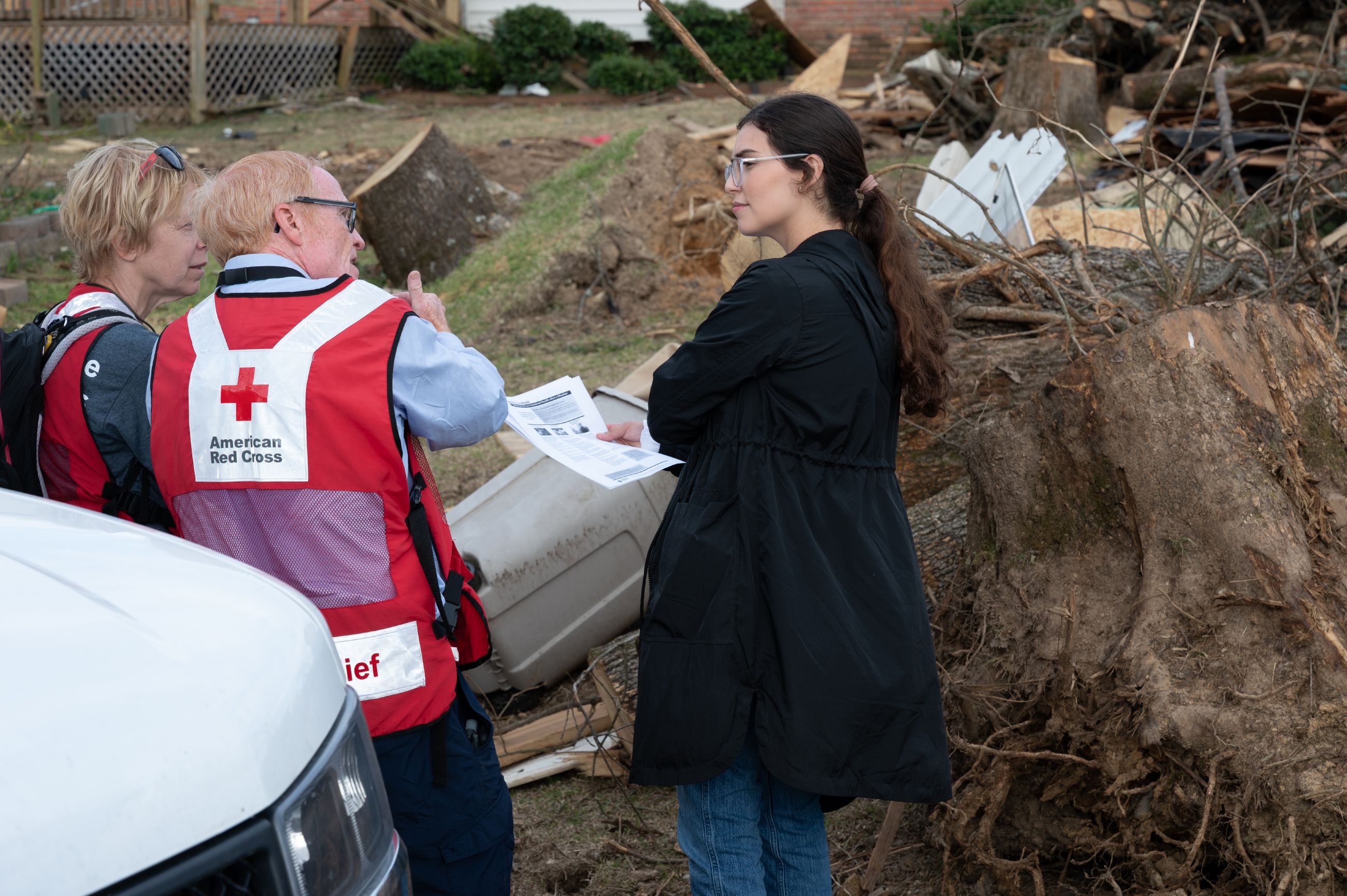
April 9, 2023. Little Rock, Arkansas. William Burkey, a member of the Red Cross disaster mental health team, and Jamie Harms, a member of the disaster health services team, work together to bring comfort and hope to Paula Rocha, whose home was damaged by a tornado that struck Little Rock, Arkansas, and several nearby towns. Photo by Kevin Suttlehan/American Red Cross

Three key positions are especially needed: Disaster Action Team volunteers, who help families in need following a disaster; Shelter Services volunteers, who support day-to-day activities in an emergency shelter; and Disaster Health or Mental Health Services volunteers, who use their professional skills as licensed healthcare providers to assist those impacted by a disaster. Please consider joining, as I can personally attest you will work alongside outstanding people and the see difference Red Cross services provide.

Posted by Ryan Lang, American Red Cross board member and volunteer
    Severe weather safety tips to help you stay safe

    By Samantha Pudelski, American Red Cross volunteer

    Warmer weather will be arriving in Northern Ohio…eventually! We’ll be swapping snowstorms for thunderstorms and rain. While our region doesn’t experience hurricanes (this is the beginning of hurricane preparedness week), our area does experience severe storms that can bring tornadoes or flash flooding. Before severe weather strikes, refresh your severe safety knowledge with these tips from the American Red Cross.

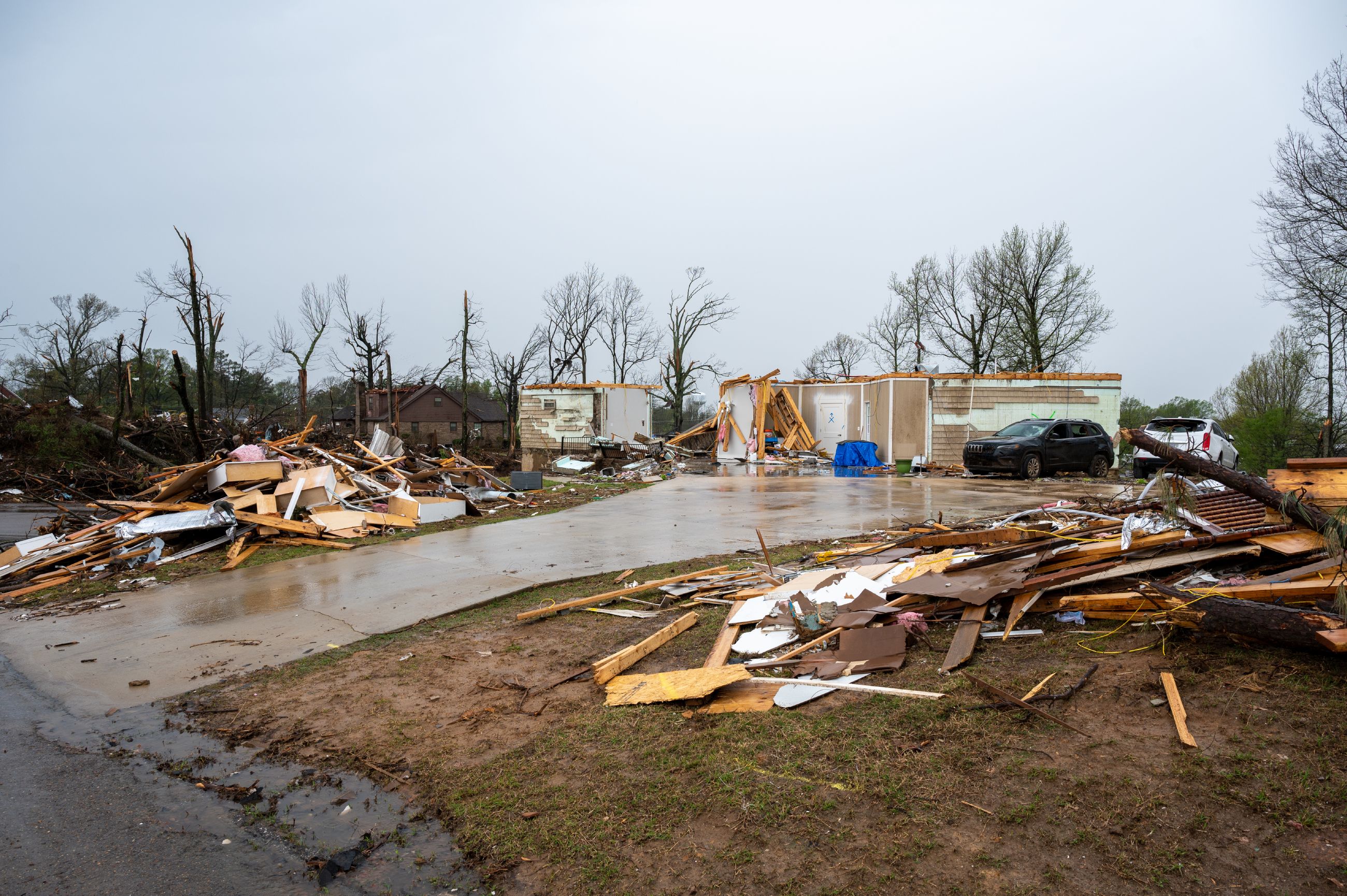
    April 5, 2023. Wynne, Arkansas. The tornado that struck Wynne, caused extensive damage to scores of homes in the town. Photo by Kevin Suttlehan/American Red Cross

    Before Storms Strike:

    • Identify a sturdy building that you can take shelter in. A sturdy building has walls and a foundation.
    • Ideally, the building should have a basement, or a small, interior room without windows on the lowest level of the building.
    • Mobile, manufactured, trailer homes and recreational vehicles (RVs) are not safe in high winds.
    • If you reside in one of these structures, make sure to identify a building nearby that you can take shelter in quickly.
    • Hold practice drills with everyone in your household to make sure everyone knows what to do and where to go before a storm hits.
    • Sign up for free emergency weather alerts from your local government or weather service.
    • In case there is a power outage, make sure to have a backup battery to charge your cell phone and a battery-powered radio.
    • Know the different types of weather alerts:
      Severe thunderstorm watch: Means severe weather is possible in the area. Be prepared to act fast.
      Severe thunderstorm warning: Means a severe thunderstorm is in the area and to take action to get to safety.
      Tornado watch: Means tornadoes are possible in the area. Be prepared to act fast.
      Tornado warning: Means a tornado is near, and you must take immediate action to get to a safe location.
      Flood watch: Means that flooding is possible in the area.
      Flood warning: Means flooding is forthcoming or currently happening in the warning area.
      Flash floods warning: Means that a flash flood is imminent or currently happening. It is even possible that a flash flood can occur in an area not immediately receiving rain.


    When Storms Are Predicted in Your Area or Currently Happening

    • Look for storm signs such as darkening skies, lightning flashes and windy conditions. If you hear thunder, head indoors. Once you can hear thunder, the storm is close enough to be in danger of lightning strikes.
    • If a severe thunderstorm warning is issued in the area, take shelter in a substantial building.
    • Mobile homes can blow over in high winds.
    • Keep away from windows.
    • Don’t take a bath, shower or use plumbing.
    • Avoid using electrical equipment and telephones.
    • If you are driving, try to find a way to safely pull off the road and park. Stay in your vehicle until the heavy rain ends. Turn on your emergency flashers so other vehicles can see you.
    • If you are outside and are not able to seek shelter in a building or car, avoid high ground, water, tall or isolated trees and metal objects. Sheds, picnic shelters, dugouts and metal objects, like bleachers, are not safe places to seek shelter.
    • If someone is struck by lightning, call 911 immediately. If someone sustains a lightning strike they need professional medical care. Check the individual for burns and other injuries. If they stop breathing, begin CPR immediately. It’s safe to touch them, as individuals struck by lightning do not retain an electrical charge.
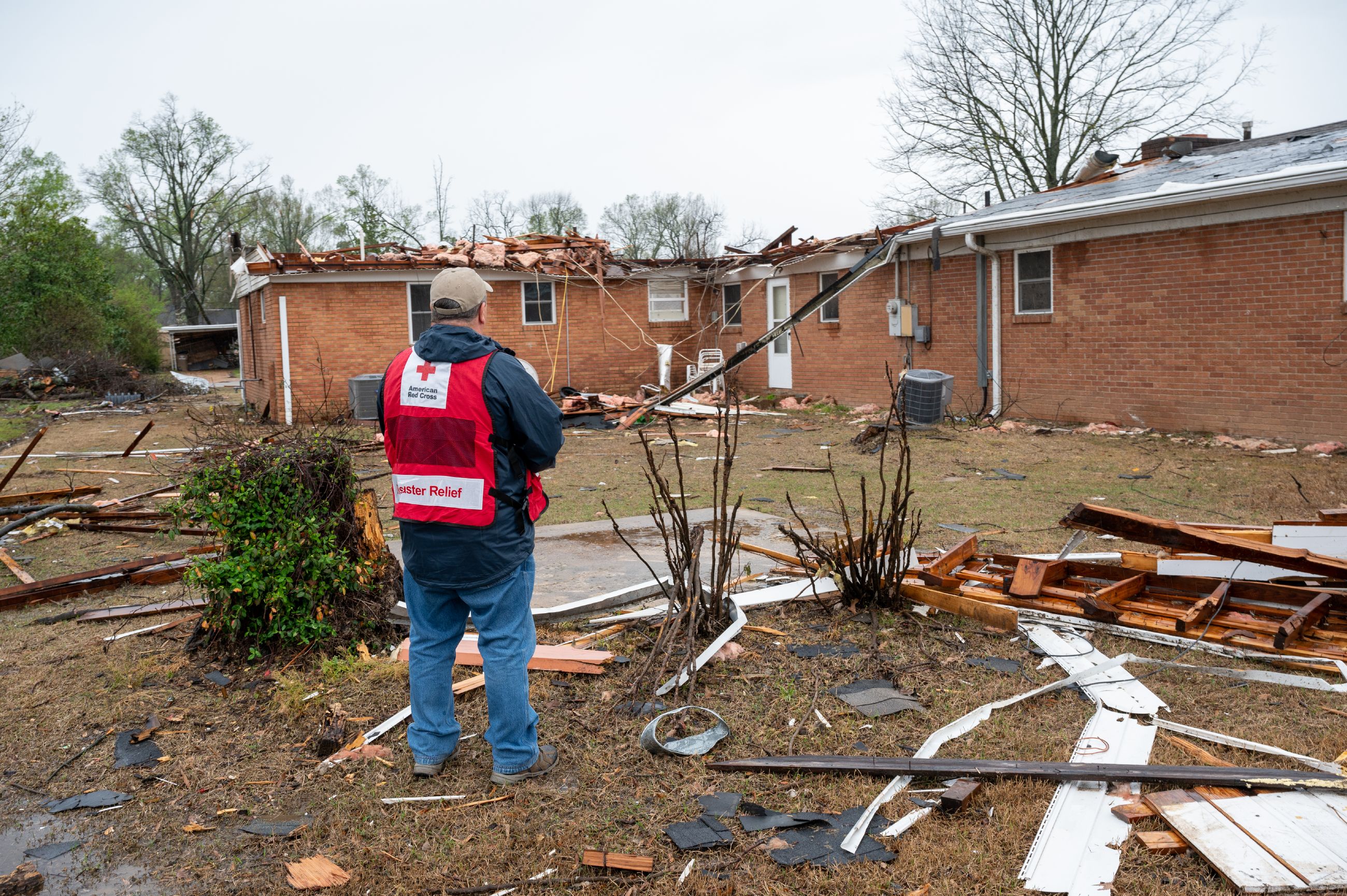
    April 5, 2023. Wynne, Arkansas. Red Cross volunteer Don Baker surveys tornado damage to homes in Wynne, AR. Photo by Kevin Suttlehan/American Red Cross

    Tornado Safety

    If a tornado warning is announced for the area you are in:

    • Move to the lowest level of your home or a sturdy building, ideally a basement. If you aren’t able to move to a lower level, find a small interior room with no windows.
    • Mobile, manufacturer, trailer homes and RVs are not safe in the event of a tornado or high winds.
    • Monitor local weather and news on your phone or radio.

      When Flooding is Predicted or Seen
    • Turn around, don’t drown! Stay off the roads and do not attempt to drive through a flooded portion of the road. Just six inches of fast-moving water can knock you over, and most vehicles can be swept away by less than two feet of water.
    • If you are caught on a flooded road and the waters are rising around you, get out of the car quickly and move to higher ground.
    • Tune in to your local radio or news for the latest weather updates.
    • If your area is a risk flood area, prepare to evacuate quickly in the case it becomes necessary.
    • Follow your local officials direction if you are asked to evacuate.
    • Stay away from flooded areas, as they may contain snakes, insects and other animals. Keep children and pets away from these areas.

      For more information on weather safety and about volunteer opportunities to help those affected by severe weather, visit https://www.redcross.org/local/ohio/northern-ohio.html.

      Edited by Glenda Bogar, Red Cross volunteer
      Posted by Ryan Lang, Red Cross board member and volunteer
    How to keep safe this severe weather season

    By Sam Pudelski, Red Cross volunteer

    Now that it’s spring, the storms that come along with the season and summer months also arrive. While many rainy days are part of the season, Northeast Ohio usually experiences several severe weather events throughout the year. The American Red Cross has tips to help keep you and your loved ones safe when severe weather strikes.

    Severe Weather Safety

    If thunderstorms are likely to occur, postpone outdoor activities. Many people who are struck by lightning aren’t in the area of a storm where it is raining.

    Watch for storm signs – these can include darkening skies, lightning and increasing wind. If thunder roars, head indoors! If you can hear thunder, you are close enough to be in danger of being stuck by lightning.

    If a severe thunderstorm warning is issued for your area and arrives:
    – Take shelter in a substantial building. If you aren’t near a building, shelter in a vehicle with the windows closed. Make sure to get out of mobile homes, as they can blow over in high winds.
    – If you’re driving, make your way to safely exit the road and park. Stay in your vehicle and turn on the emergency flashers so other cars on the road can see you until any heavy rain ends.
    If you are outside and are unable to seek shelter inside of a safe building or vehicle, avoid high ground, water, tall or isolated trees and metal objects, such as fences and bleachers. Picnic shelters, dugouts, sheds and pavilions are not considered safe shelters.
    Keep away from windows.
    Don’t take a bath, shower, wash dishes or use plumbing.

    If a tornado warning is issued for your area:
    – Move to an underground shelter, basement or safe room. If none of these are available to you, moving to a small, windowless interior room or hallway on the lowest level of a sturdy building is the safest alternative.
    Note: No area of a mobile home is safe during a tornado. If you have access to a sturdy shelter or a vehicle, move to this immediately.
    – If you are able to, go to the nearest local emergency shelter.

    Superstorm Sandy 2012 November 5, 2012. Photo by Talia Frenkel/American Red Cross

    If someone is struck by lightning:
    – Call for help immediately. Call 9-1-1 or your local emergency number. Anyone who has been struck by lightning requires professional medical care. Check the person for burns and other inquiries.
    – If the person has stopped breathing, call 9-1-1 and begin CPR. If the person is breathing normally, look for other possible injuries and care for them as necessary.
    – People who have been struck by lightning do not retain an electrical charge in their body.

    Flooding Safety
    Flooding often occurs following a hurricane, thawing snow or several days of sustained rain. Flash floods, on the other hand, occur suddenly due to rapidly rising water along a stream, body of water or low-lying area.

    If there is a flood risk in your area:
    – Listen to local radio, NOAA or TV news stations for the latest updates and information about weather in your area.
    – Be prepared to evacuate quickly if you need to evacuate. Know your routes and destinations ahead of time. Find a local emergency shelter.
    – Check your emergency kit and replenish any items missing or that are in short supply, such as medical supplies and medications.

    If you have pets or livestock:

    • Consider a precautionary evacuation of your animals, especially any
      large or numerous animals. Waiting until the last minute could be
      fatal for them and dangerous for you.
    • Where possible, move livestock to higher ground. If using a horse or
      other trailer to evacuate your animals, move sooner rather than later.
    • Bring your companion animals indoors and maintain direct control of
      them. Be sure that your pet emergency kit is ready to go in case of
      evacuation.

    For more information on how to prepare and respond in a severe weather emergency, visit redcross.org.

    Edited by Glenda Bogar, Red Cross volunteer

    Red Cross responds to NEO tornado touchdown and other spring storms

    Local volunteers assist residents in Shelby, Ohio and elsewhere

    By Eilene Guy, American Red Cross volunteer

    April 15, 2019 – Spring is usually welcome here in Northeast Ohio, but the tornado strike this week in Richland County is a stark reminder that the season can turn nasty.

    “We have a shelter on standby for tonight (Monday) at the Shelby YMCA Community Center, and volunteers in an emergency response vehicle going through damaged areas of the community, offering meals as folks work to recover their belongings,” said Tim O’Toole, American Red Cross regional disaster officer for Northeast Ohio.

    IMG_2933 (002)

    Red Cross volunteer Bill Conley in Shelby, Ohio

    “We also have teams there doing damage assessment so we can sit down with people whose homes were damaged or destroyed and help them with immediate and longer-term assistance.”

    Meanwhile, Mother Nature has been particularly aggressive elsewhere in the country, with the South strafed by multiple tornado outbreaks and the Midwest hit with “bomb cyclones,” tornadoes and historic flooding.

    The Red Cross has mustered hundreds of disaster workers – including men and women from our area – to bring comfort to victims of these severe weather events.

    “I had seen pictures of the flooding before I left, but when I got out there I was totally amazed by the damage,” said veteran Red Cross volunteer Rick Whitehead of Willoughby, Ohio, who spent 10 days in Lincoln, Neb. “In some places you could barely see the tops of houses.”

    RickW1 (2)

    Red Cross volunteer Rick Whitehead

    Rapid melting after a freak snowstorm swelled rivers so fast “some towns were literally islands,” he said. National Guard helicopters airlifted Red Cross shelter personnel, food and water into some Nebraska communities, cut off by high water, and ruined roads and bridges.

    For the scope of flooding across Nebraska, Iowa, Illinois, Kansas and Wisconsin, the Red Cross has done relatively little sheltering: 6,300 overnight stays. But it has provided help in one form or another to some 7,760 households: 65,000 meals, more than 1,000 cases of water, and nearly 39,000 cleanup kits and supplies such as diapers, bleach and other items not readily available in stranded communities.

    This slideshow requires JavaScript.

    And it’s not over yet. Kevin Jones of Brunswick, Ohio, who is helping keep Red Cross field computer systems running in Omaha, said another flood crest is working its way down the Missouri River. “Some communities will get hit again,” he predicted.

    “Looks like it’s going to be a busy year” for disaster response, the veteran volunteer observed.

    Indeed, deadly storms raked Mississippi, Alabama and Georgia several weeks ago, and just days ago, Texas, Louisiana, Arkansas and Mississippi got hit. The Red Cross is responding wherever shelter, food, medical and emotional support, and relief supplies are needed.

    The Red Cross has tips to keep yourself and your family and loved ones safe at https://www.redcross.org/about-us/news-and-events/news/Spring-Brings-Its-Own-Severe-Weather-Get-Ready-Now.html

    “We’re just coming into prime tornado season and already we have disaster workers helping one community,” O’Toole said. “But we’re ready. That’s the strength of the Red Cross, having trained responders all over who can help their neighbors or folks across the country they’ve never met, no matter what the emergency.”

    To become a trained volunteer to help victims of disasters here in Northeast Ohio or across the country, visit redcross.org/volunteer or call 216-431-3328.

    Neighbors Help Neighbors Where Tornado Tore Through

    “It was one amazing thing to see.”

    Kristen Gallagher, Disaster Program Specialist in the Lake to River Chapter, was not describing the damage she saw, following the tornado that hit Williamsfield, Ohio Sunday night.

    Kristen was describing the scene on Monday morning, when she witnessed neighbors repairing each other’s homes, securing tarps where the twister ripped off roofs and tore away walls, and clearing roadways for vehicles, including the horses and buggies of the Amish residents of Williamsfield.

    “Who knew their horses and buggies went off-road!” said Kristen, as she described the clean-up efforts.  “It was very heartwarming to see them all in action just hours after the tornado did so much damage.”

    This slideshow requires JavaScript.

    Photo credit: Kristen Gallagher, American Red Cross
    Cover photo credit: Melissa Papini, American Red Cross

    The severe weather affected a number of counties throughout Northeast Ohio.  The Red Cross response included volunteers supporting a city warming center in Brunswick Hills during an extended power outage, opening a shelter in the Twinsburg Community Center, where there were 17 overnight stays on Monday and Tuesday, and distributing more than $8,500 in immediate financial assistance for 15 families in Ashland, Erie, Cuyahoga, Wayne and Ashtabula Counties.

    But the Amish families in Williamsfield politely declined help offered by the Red Cross. “They have each other,” Kristen said.  “They are an amazing community where everyone is helping and looking out for each other.”

    Everything You Need to Know in New All-in-One Red Cross Emergency App

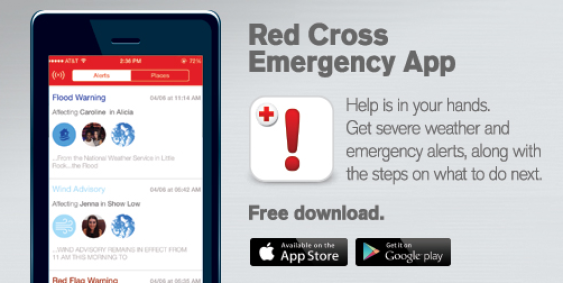
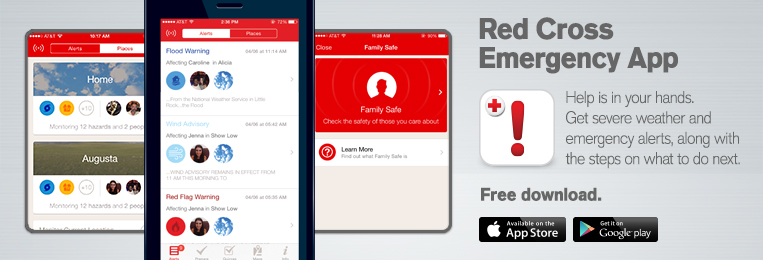
    The new, all-inclusive Emergency App from the American Red Cross provides people with instant access to emergency alerts, life-saving information, and ways to contact family and friends in one free, easy-to-use app for smart phones and tablets.Emergency App

    The Emergency App is a single ‘go-to’ source for everything from home fires to hurricanes. It includes content from a group of award-winning Red Cross apps with additional information about what to do in case of 14 different types of emergencies and disasters. Users can customize more than 35 emergency alerts based on their location and where loved ones live.

    The app includes a new featured called “Family Safe” that allows the app user to notify loved ones who are in an area affected by an emergency or disaster. The recipient can instantly see the alert details as well as specific “what to do now” steps, and then respond with either “I’m safe” or “I’m not safe.” This feature works even if the recipient has not downloaded the Emergency App. In addition to smartphones and tablets, this feature will be available on the new Apple Watch and can be downloaded from the Apple Watch App Store starting April 24.

    Other important features include:

    • Emergency first aid information for situations such as heart attacks, heat-related emergencies as well as water safety information;
    • Preloaded content so users can access guidance from Red Cross experts even without mobile connectivity;
    • A single map with open Red Cross shelter locations and weather information;
    • A home fire section with detailed prevention and safety tips as well as Red Cross “After the Fire” information;
    • “Make a Plan” feature to help families plan what to do and where to go if a disaster strikes; and
    • The ability to easily toggle between English and Spanish.

    The app is available in app stores by searching for the American Red Cross or by going to redcross.org/apps.

    Red Cross apps have been downloaded more than 6 million times and nearly 400 million alerts have been sent since the launch of the first app in 2012. While apps can help prepare someone for disasters, it’s important to note that they are not substitutes for training. People can take Red Cross First Aid and CPR/AED courses so they’ll know what to do in case help is delayed. They can get information and register at redcross.org/TakeAClass.