Get a free pair of shades by goodr when you donate blood or platelets

By Kathryn Dean, American Red Cross Volunteer 

July is finally here, and summer has officially started. For many, this means vacations, cookouts, pool time, and fun with family and friends. For blood banks, this busy season can mean a time of fewer donors and a limited blood supply.   

Every two seconds, someone in the U.S. requires a blood transfusion. This equates to around 29,000 units of blood that are needed every day! Whether it be for cancer patients, accident victims, surgical patients, or new mothers, be a hero for a person in need by donating this precious, lifesaving gift. 

While all potential donors are asked to donate if they can, Type O is urgently needed at this time.   

Type O negative blood, often called the “universal donor,” can be safely transfused to anyone and is commonly used in emergencies when there is no time to determine blood type. With only around 7% of the U.S. population having Type O negative blood, it is often in short supply, even though the need for it is great. 

Special Promotion for donors 

Between July 1-14, consider taking time out of your schedule to donate blood, plasma or platelets, and look cool leaving with a free pair of American Red Cross x goodr “Just My Type” sunglasses, while supplies last! You will also receive a sticker with your blood type to personalize your glasses. Find out more about the promotion by clicking HERE

To donate, simply visit RedCrossBlood.org and enter your zip code or download the free Red Cross Blood Donor App by clicking HERE. Save time on the date of your donation by completing your pre-donation forms at RedCrossBlood.org/RapidPass or by using the Blood Donor App. 

Edited by Glenda Bogar, American Red Cross volunteer

Celebrate summer safely: Fourth of July safety tips and more

By Ryan Lang, American Red Cross

The Fourth of July weekend is upon us and the Red Cross is reminding residents of Northern Ohio and beyond to play it safe, especially when it comes to fireworks. Generally, we advise to leave the fancy fireworks displays to the professionals – it’s the best way to ensure everyone has a safe and enjoyable time celebrating Independence Day.

If you are planning a home fireworks display, here are a few tips:

  • Never give fireworks to small children, and never throw or point a firework toward people, animals, vehicles, structures or flammable materials.
  • Always follow the instructions on the packaging.
  • Keep a supply of water close by.
  • Make sure the person lighting fireworks always wears eye protection.
  • Light only one firework at a time and never attempt to relight “a dud.”
  • Store fireworks in a cool, dry place away from children and pets.
  • Never use fireworks around pets, keep pets indoors. Exposure to lit fireworks can potentially result in severe burns or trauma, and many pets are also fearful of loud noises and can become lost, scared or disoriented.

In addition to fireworks safety, water safety is a top priority during the holiday and throughout the summer. Between trips the pool, the beach, the lake, etc., water safety is important for the entire family, especially when kids are involved. Here are a few water safety tips for you and your family:

  • Everyone should learn to swim. Classes are available for both children and adults.
  • Prevent unsupervised access to water. Always designate a “water watcher” to keep a close, constant eye on everyone in and around the water until the next water watcher takes over.
  • Avoid distractions when supervising children. If a child is missing, check the water first. Drowning behavior is typically fast and silent. Unless rescued, a drowning person will last only 20 to 60 seconds before submerging.
  • Reach or throw, don’t go! In the event of an emergency, reach or throw an object out to the person in trouble and tell them to grab on. Don’t go in! You could become a victim yourself. Without putting yourself in danger, rescue and remove the person from the water. Have someone call 911 if needed.
  • Download the Red Cross Swim app for safety tips, kid-friendly videos and activities, and take the free Water Safety for Parents and Caregivers online course.

 For more summertime safety tips, including ways to beat the heat, visit redcross.org.

Stay safe this summer when temperatures heat up

By Tim Poe, American Red Cross volunteer

While Northern Ohio hasn’t seen temperatures over 90 degrees Fahrenheit since last year, summer is here, and it is time to prepare for high temperatures. Extreme heat is happening more often and more intensely — 2024 was the hottest year on record globally — and in more places, like Northern Ohio. As extreme heat is a leading cause of weather-related deaths in the U.S., the American Red Cross urges everyone to take critical actions to stay safe. These include: 

Stay hydrated. When temperatures are high, drink a cup of water every hour, even if you aren’t thirsty. Avoid sugary, caffeinated and alcoholic drinks. Remind friends and family members to do the same. Also, babies should be breast- or bottle-fed often. Fewer wet diapers or darker urine can be signs of dehydration. 

Stay cool. Spend time in air-conditioned places. If your home is too hot, go to a mall, library or cooling center. You can also take a cool shower or bath. Please make sure to look out for older neighbors and relatives as well as anyone without air conditioning.  

Outdoor workers and athletes should take breaks in the shade and frequently drink water: a cup every 20 minutes. They should also use a buddy system to check on one another. 

Wear lightweight, loose-fitting clothes in bright colors. 

Never leave a child or pet alone inside a parked car, and make sure pets have access to fresh water and shade. 

Prepare for power outages during heat waves. Be ready to stock an ice-filled cooler with food, water and medicine, so that they don’t spoil. If you need to keep medicine cold or use medical devices that need power, talk to your doctor about a backup plan. Also keep food cold by keeping refrigerator and freezer doors closed as much as possible; eat fresh, perishable foods first; and throw out perishable food that has been warmer than 40 degrees Fahrenheit. More information is available here

Stay connected.  Check on others and ask for help if you need it. Also download the free Red Cross emergency app

Know the signs of heat illness. While some are at higher risk of heat related illness, such as older adults, children, pregnant women and those with medical conditions, anyone can become ill when their body cannot properly cool down. It is critical to act fast, as some types of heat illness can be deadly. 

Heat cramps are signaled by heavy sweating and muscle pain. Stop what you’re doing, rest in a cool place and slowly sip water. Don’t drink if you feel sick, and get medical help if cramps last over an hour or you have heart problems.  

Heat exhaustion is signaled by heavy sweating, weakness, cool and clammy skin, muscle cramps, dizziness, fainting, nausea or vomiting. In addition to the above, loosen your clothes and place a cool wet cloth on your body. Get medical help if you don’t feel better, vomit or have heart problems.  

Heat stroke is a deadly condition signaled by high body temperature, rapid heartbeat, confusion, headache, dizziness, fainting, nausea or vomiting. Call 911. Move to a cooler place, remove extra clothing and use a wet cloth or a cool bath to cool down. Don’t drink anything. 

Learn more tips and download the Red Cross’ Extreme Heat Safety Checklist HERE. 

Edited by Glenda Bogar, American Red Cross volunteer
Stay safe this summer: Readying yourself for a road trip

By Doug Bardwell, American Red Cross volunteer
With summer approaching, our family’s favorite activity is taking road trips. We are so blessed to be in Northern Ohio since we can find awesome destinations no matter which direction we head.

However, despite all the choices, the one thing I’ve learned is that you need to be prepared for emergencies. The “it won’t happen to me” syndrome is a risky one, and who needs the guilt of knowing better but not taking precautions?

Getting ready

I’m a nut for lists. For years, I’ve been using spreadsheets (either Excel or Google Sheets). I’ll make a master list, and at the end of each trip, I’ll add whatever items that we should have taken. Then when the next road trip comes up, we won’t forget that item a second time. I’ve been keeping them for years, and my lists cover just about anything we could need. We don’t take every item on every trip by any means but at least we forget very, very little.

One item we always pack, and fortunately have only needed a few times, is a First Aid kit. I’ve actually got multiple ones that vary in size for my bike bag, my backpack and the car. While I’ve been a pretty safe person, there have been numerous times we’ve been able to come to the rescue of others, who weren’t quite so prepared.

Another lesson I learned in an American Red Cross Safe Driving course is to adjust your rearview mirrors out farther than most people do. Basically, while sitting behind the steering wheel, lean as far left as comfortable, and then set your left rearview mirror so you can just barely see the left fender of your car. Then lean right as far as comfortable and set your right mirror the same way. That radically improves your chances of not hitting someone in your blind spot. I know it’s saved me at least four times.

Lastly, get enough sleep before you set out on a long road trip. When I haven’t done that, the instant I feel myself getting drowsy, I’ll find a place to pull over and try to take a quick nap. I set my alarm on my watch for 15 minutes, and that’s a perfect time to be refreshed enough to drive another couple of hours. Any longer than 15 minutes is too long (strange sleep science).

For more information

The American Red Cross just issued a 20 Steps to Help You Stay Safe this Summer article for road trips, swimming, backyard grilling and camping. Item number 18 is definitely one that could save your life. Then enroll in a Red Cross first aid and CPR/AED course, either online or in person.

Edited by Glenda Bogar, Red Cross volunteer

Posted by Ryan Lang, Red Cross Board Member and volunteer

Students can develop skills and help communities over summer break

By Tim Poe, American Red Cross volunteer

On this blog, we have been fortunate to share the achievements and life stories of several extraordinary individuals in Northern Ohio. These include several young people who have applied life-saving skills learned from the American Red Cross, like Alexis Starnes and Travis Shrout, organized a blood drive, like Andrew Lazowski, and worked as advocates, like Makenzie Nance. There are many others who have assisted their communities, helped save lives, developed skills that will help them throughout their lives and careers, and built lasting friendships.

If you are a student, recent graduate, or parent searching for activities during the summer break, the Red Cross offers an array of classes and volunteer opportunities.

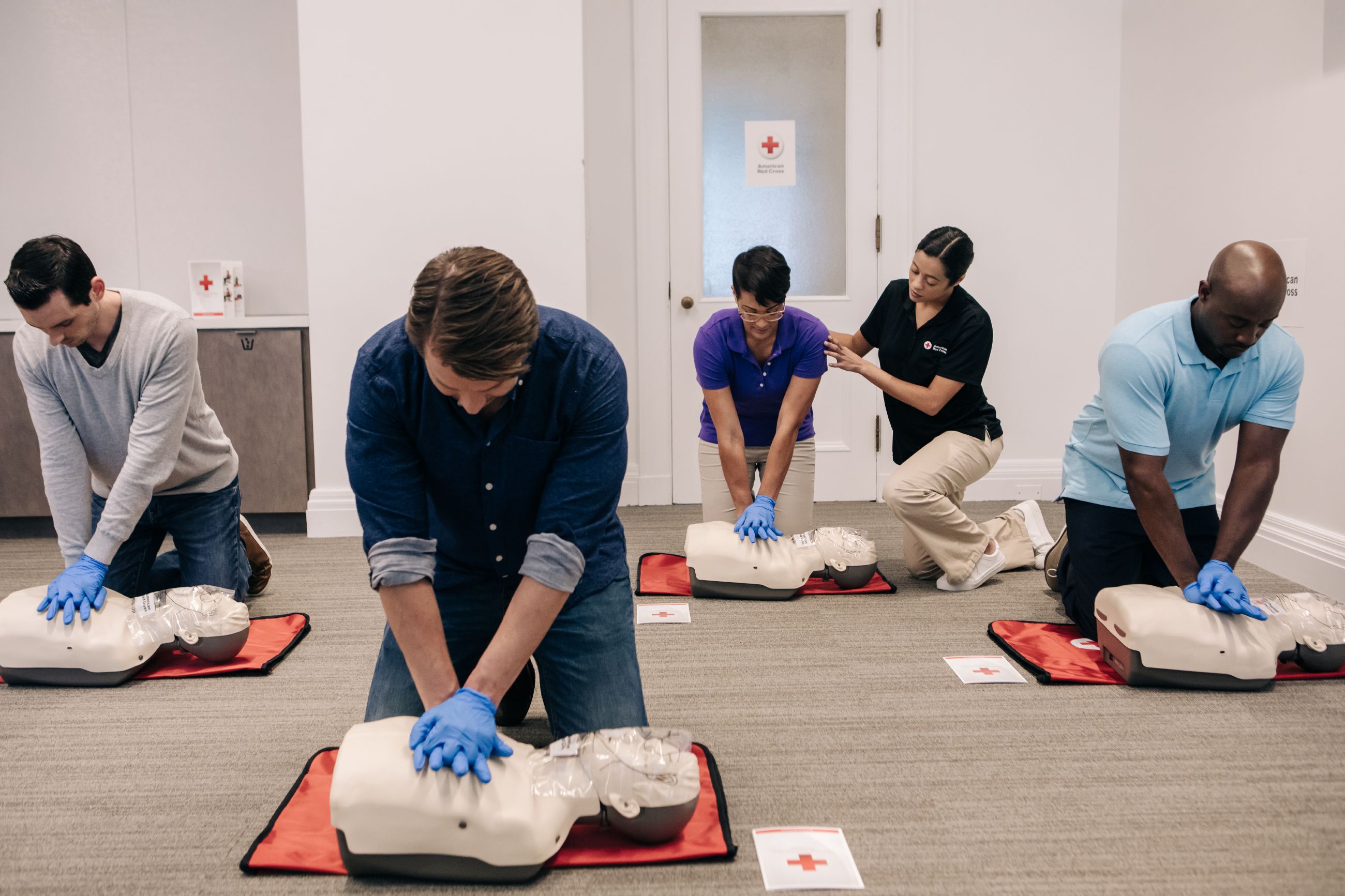
Red Cross classes are offered throughout the summer in online, in-person, and blended formats. The Red Cross encourages everyone to learn first aid, CPR, and how to use an AED. Time is critical during a cardiac arrest; chances of survival double or triple if CPR is administered or an AED is used within the first few minutes.

June 22, 2018. Washington, DC. CPR stock photos by Roy Cox for the American Red Cross.

In addition, the Red Cross offers Babysitting Training for students between 11 and 15 years of age. Advanced Child Care courses are available for students 16 years and older. The babysitting classes feature topics such as choosing age-appropriate activities, basic child care (including bottle feeding), child behavior, leadership, professionalism, safety, starting a babysitting business, and more. These courses also cover emergency and first aid skills such as bee stings, allergic reactions, asthma, burns and choking. Advanced Child Care course participants learn the most common child care routines and behavior along with safety inside and outside the home, including driving with children and water safety.

For those seeking to volunteer, opportunities are available depending on age, such as assisting or organizing blood drives, participating in Red Cross Clubs, even streaming to help support Red Cross disaster relief efforts.

Northern Ohio volunteer opportunities are here. Blood Donor Ambassadors are especially needed.

If you are interested in organizing a blood drive, and possibly earning a scholarship, please see the Leaders Save Lives page.

Additional information is available on the Red Cross Youth page.

Blood donors are also needed. If you are 17 or older (16 with parental/guardian consent in some cases), please consider donating. Information for teen donors is here.

My first experience with the Red Cross was assisting a blood drive at my high school and learning CPR. While that was decades ago, the experience and skills have had a positive influence ever since, helping instill a desire to assist others and leading to volunteering as an adult. I have also been fortunate to work alongside many dedicated, caring people. It began with a Red Cross sign-up sheet (I predate the internet) and a willingness to learn and help.

Posted by Ryan Lang, American Red Cross volunteer and board member

Some like it HOT, 3 Ways to Stay Safe in this Week’s Heat

summer-heatSome like it HOT.

But with this week’s toasty Northeast Ohio temperatures, it’s important that you keep three key things in mind to beat the heat: stay cool, stay hydrated and stay informed. And don’t forget about your friends and neighbors, check on those most at-risk at least twice a day.

Stay Cool

  1. Stay in air-conditioned buildings as much as possible.
  2. Do not rely on a fan as your primary cooling device.

Stay Hydrated

Your body may sweat more in these temps, which means you will be losing fluids.

  1. Drink more water than usual.
  2. Don’t wait until you’re thirsty to drink more fluids.
  3. Avoid alcohol or liquids containing high amounts of sugar.

Stay Informed

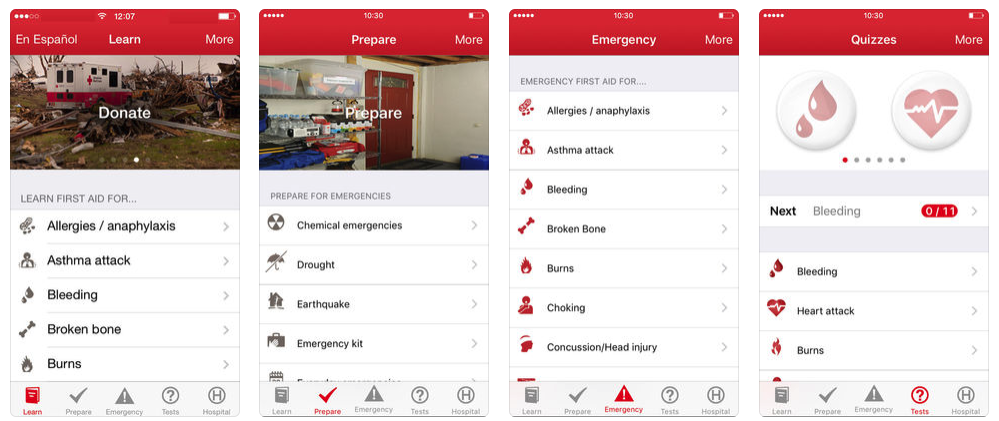
Download the free Red Cross First Aid app to learn more about how to treat heat related illnesses – like heat cramps or heat stroke.

For more information on at-risk populations, check out the Centers for Disease Control and Prevention’s website: http://www.cdc.gov/extremeheat/


Stay Safe This Summer

The Memorial Day holiday weekend is the unofficial start of summer when all of us will be enjoying the outdoors and sunshine. The American Red Cross wants everyone to have fun and offers 20 things you can do to be safe all summer long.

“Summer is finally on the way and many of us will travel, grill delicious food and cool off in the pool or at the beach,” said Mike Parks, Chief Executive Officer for the Red Cross of Northeast Ohio. “We want everyone to enjoy the summer and be safe at the same time, so we are offering these 20 safety tips people should follow.”

DRIVING SAFETY

  1. Be well rested and alert, use seat belts, observe speed limits and follow the rules of the road. Clean your headlights and turn them on as dusk approaches or in inclement weather.
  2. Don’t drink and drive. Have a designated driver available.
  1. Give your full attention to the road. Avoid distractions such as cell phones. 
  2. Use caution in work zones. There are lots of construction projects underway on the highways.
  3. Don’t follow other vehicles too closely.

WATER SAFETY

man wearing blue shorts performing back flip over body of water

Photo by Oliver Sjöström on Pexels.com

  1. Ensure that everyone in the family becomes water competent. That is, learn to swim well, know your limitations and how to recognize and avoid hazards, and understand how to help prevent and respond to emergencies around water.
  2. Adults should actively supervise children and stay within arm’s reach of young children and newer swimmers. Kids should follow the rules.
  3. Fence your pool in with four-sided fencing that is at least four-feet in height and use self-closing, self-latching gates.
  4. Wear your U.S. Coast Guard-approved life jacket always when on a boat and if in a situation beyond your skill level.
  5. Swim as a pair near a lifeguard’s chair everyone, including experienced swimmers, should swim with a buddy in areas protected by lifeguards. If in a location with no lifeguards, such as a residential pool, designate a “Water Watcher” to keep a close eye and constant attention on children in and around the water.

BEACH SAFETY

group of people playing on the beach

Photo by Archie Binamira on Pexels.com

  1. If you plan to swim in the ocean, a lake or river, be aware that swimming in these environments is different than swimming in a pool. Be sure you have the skills for these environments. 
  2. Swim only at a beach with a lifeguard, within the designated swimming area. Obey all instructions and orders from lifeguards and ask them about local conditions.
  3. Make sure you swim sober and that you always swim with a buddy. Know your limitations and make sure you have enough energy to swim back to shore.
  4. Protect your neck – don’t dive headfirst. Walk carefully into open waters. Watch out for and avoid aquatic life.
  5. If you are caught in a rip current, try not to panic. Signal to those on shore that you need assistance. Swim parallel to the shore until you are out of the current. Once you are free, swim toward shore. If you can’t swim to the shore, float or tread water until you are free of the rip current and then head toward shore.

 GRILLING SAFETY

charcoal grill with sausage

Photo by Skitterphoto on Pexels.com

  1. Always supervise a barbecue grill when in use. Don’t add charcoal starter fluid when coals have already been ignited.
  2. Never grill indoors – not in your house, camper, tent or any enclosed area.
  3. Make sure everyone, including pets, stays away from the grill.
  4. Keep the grill out in the open, away from the house, deck, tree branches, or anything that could catch fire.
  5. Use the long-handled tools especially made for cooking on the grill to keep the chef safe.

apps

DOWNLOAD RED CROSS APPS The Red Cross app “Emergency” can help keep you and your loved ones safe by putting vital information in your hand for more than 35 different severe weather and emergency alerts. The Red Cross Swim App promotes water safety education and helps parents and caregivers of young people learning how to swim. The Red Cross First Aid App puts instant access to information on handling the most common first aid emergencies at your fingertips. Download these apps for free by searching for ‘American Red Cross’ in your app store or at redcross.org/apps. Learn First Aid and CPR/AED skills (redcross.org/takeaclass) so you can help save a life.

Have a Safe 4th of July!

Everyone is looking forward to the upcoming Fourth of July holiday weekend! We wanted to be sure to send out some steps that you can follow to stay safe, whether enjoying a nice meal with friends and family or going for a swim.

The biggest take away? Download the first aid app to help you and your family be prepared for whatever may happen!

Fourth-of-July-Grill-Tip-FINAL

GRILLING SAFETY Every year people are injured while using charcoal or gas grills. Here are several steps to safely cook up treats for the backyard barbecue:

  1. Always supervise a barbecue grill when in use.
  2. Never grill indoors – not in the house, camper, tent, or any enclosed area.
  3. Make sure everyone, including the pets, stays away from the grill.
  4. Keep the grill out in the open, away from the house, the deck, tree branches, or anything that could catch fire.
  5. Use the long-handled tools especially made for cooking on the grill to keep the chef safe.

WATER SAFETY Swim only at a beach with a lifeguard, within the designated swimming area. Obey all instructions and orders from lifeguards. While enjoying the water, keep alert and check the local weather conditions. Other safety steps include:

  • Swim sober and always swim with a buddy. Make sure you have enough energy to swim back to shore.
  • Have young children and inexperienced swimmers wear a U.S. Coast Guard-approved life jacket.
  • Protect your neck – don’t dive headfirst. Walk carefully into open waters.
  • Keep a close eye and constant attention on children and adults while at the beach. Wave action can cause someone to lose their footing, even in shallow water.
  • Watch out for aquatic life. Water plants and animals may be dangerous. Avoid patches of plants and leave animals alone.

DOWNLOAD SWIM, FIRST AID APPS The Red Cross Swim App promotes water safety education and helps parents and caregivers of young people learning how to swim. The app has features specifically designed for children, including a variety of kid-friendly games, videos and quizzes. It also contains water safety information for parents on a variety of aquatic environments including beaches and water parks. The First Aid App provides instant access to expert guidance on a variety of situations from insect bites and stings to choking and Hands-Only CPR. People can download the apps for free by searching for ‘American Red Cross’ in their app store or at redcross.org/apps.

HOME POOL ESSENTIALS COURSE The Red Cross and National Swimming Pool Foundation® (NSPF) have developed an online safety course for pool and hot tub owners. Home Pool Essentials helps people understand the risks of pool ownership, how to maintain a safer and cleaner pool, what safety equipment is appropriate, how to prevent pool and hot tub entrapment hazards, and how to respond to an emergency.


Stay Safe in the Summer Heat

The long, hot days of summer can bring dangerously high temperatures. summer sunExcessive heat has caused more deaths than any other extreme weather in recent years. Do you know how to keep your family safe in a heat wave?

The Red Cross has steps people can follow to stay safe when it’s hot outside.

HOT CARS CAN BE DEADLY Never leave children or pets in your vehicle. The inside temperature of the car can quickly reach 120 degrees. Other heat safety steps include:

  • Stay hydrated by drinking plenty of fluids. Avoid drinks with caffeine or alcohol.
  • Avoid extreme temperature changes.
  • Wear loose-fitting, lightweight, light-colored clothing. Avoid dark colors because they absorb the sun’s rays.
  • Slow down, stay indoors and avoid strenuous exercise during the hottest part of the day.
  • Postpone outdoor games and activities.
  • Use a buddy system when working in excessive heat. Take frequent breaks if working outdoors.
  • Check on family, friends and neighbors who do not have air conditioning, who spend much of their time alone or who are more likely to be affected by the heat.
  • Check on animals frequently to ensure that they are not suffering from the heat. Make sure they have plenty of cool water.
  • If someone doesn’t have air conditioning, they should choose places to go to for relief from the heat during the warmest part of the day (schools, libraries, theaters, malls).

HEAT EXHAUSTION Excessive heat can lead to sunburn, heat cramps, heat exhaustion and heat stroke. If someone is experiencing heat cramps in the legs or abdomen, get them to a cooler place, have them rest, lightly stretch the affected muscle, and replenish their fluids with a half a glass (about 4 ounces) of cool water every 15 minutes.

If someone is exhibiting signs of heat exhaustion (cool, moist, pale or flushed skin, heavy sweating, headache, nausea, dizziness, weakness exhaustion), move them to a cooler place, remove or loosen tight clothing and spray the person with water or apply cool, wet cloths or towels to the skin. Fan the person. If they are conscious, give small amounts of cool water to drink. Make sure the person drinks slowly. Watch for changes in condition. If the person refuses water, vomits or begins to lose consciousness, call 9-1-1 or the local emergency number.

HEAT STROKE LIFE-THREATENING. Signs include hot, red skin which may be dry or moist; changes in consciousness; vomiting and high body temperature. Call 9-1-1 or the local emergency number immediately if someone shows signs of heat stroke. Move the person to a cooler place. Quickly cool the person’s body by immersing them up to their neck in cold water if possible. Otherwise, douse or spray the person with cold water, or cover the person with cold, wet towels or bags of ice.

For more information on what to do when temperatures rise, download the Red Cross Heat Wave Safety Checklist, or the free Red Cross Emergency App. The app also gives users the option to receive alerts for excessive heat watches, warnings and heat advisories. People can learn how to treat heat-related and other emergencies by taking First Aid and CPR/AED training online or in person. Go to redcross.org/takeaclass for more information.