
By Eilene E. Guy, American Red Cross volunteer
Good news is on the horizon: If it’s time to “spring ahead” one hour on Saturday night, can spring be far behind?
Good news right away: You can protect your home and family now by “turning and testing” Saturday night.

American Red Cross volunteers like John Muni, a retired firefighter in Medina County, are urging everyone across northern Ohio to test the batteries in their smoke alarms this weekend, before they turn their clocks ahead one hour to stay in step with their neighbors.
“Smoke alarms are our silent sentinels, our sleepless watchers to alert us to a disaster nobody wants –- a home fire,” John said.

“Just since the first of the year, our Red Cross Disaster Action Teams have responded to more than 250 home fires across northern Ohio, bringing comfort, support and immediate assistance to 1,000 families who were living through a nightmare,” John said. “It’s been a rough start to the year, and we don’t want more folks to go through that.”
That’s the purpose of the fall and spring “Turn and Test” campaigns nationwide, because home fires are the nation’s most frequent disaster.
The Red Cross wants people to take three simple steps:
Install smoke alarms. If you don’t have smoke alarms, install them. At least, put one on every level of your home, inside bedrooms and outside sleeping areas. If you have an alarm that’s more than 10 years old, replace it; smoke detection strips wear out.
Check smoke alarm batteries. This is “Turn and Test.” Push the test button on each alarm and replace batteries, if needed. It’s a good time to check carbon monoxide detectors too.
Practice an escape plan. Make sure everyone in your household knows how to get out of every room and how to get out of the home in less than two minutes.
In May, the Red Cross will resume its “Sound the Alarm” campaign, working with partners to install free smoke alarms in homes and to brief residents on fire safety and escape planning. The campaign had to be adjusted during 2020 and 2021 because of COVID-19.
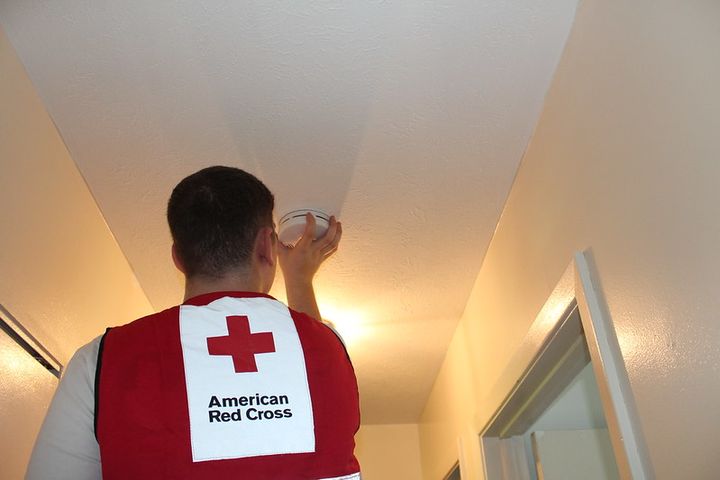
This year, the Northern Ohio Region of the Red Cross has a goal to install more than 7,200 free smoke alarms and make more than 3,000 homes safer. Local fire departments, civic groups and workplace teams will provide the volunteer manpower for these important efforts.
“Sound the Alarm” is a national Red Cross program similar to one that started in Cleveland in 1992 as a partnership between the city’s fire department and the local Red Cross chapter. Since 2014, the campaign has installed more than 2.2 million(!) smoke alarms across the country that have saved more than 1,200 lives.
For more information, including safety tips and free resources, visit redcross.org/homefires or download the free Red Cross Emergency app by searching for “American Red Cross” in app stores.
And if you need free smoke alarms in your home, visit our website to ask for a home fire safety visit.
Edited By Glenda Bogar, American Red Cross volunteer

 SMOKE ALARM. Smoke alarms should be installed on every level of a home; outside bedrooms on the ceiling or high on the wall, at the top of open stairways and at the bottom of enclosed stairs and near (but not in) the kitchen. It is important to check your Smoke Alarms every month and replace their batteries annually. The life expectancy of ALL smoke alarms is 10 years – the sensors wear out.
 CARBON MONOXIDE ALARM. Carbon Monoxide Alarms should be placed in hallways throughout the home. They should also be placed in recreational vehicles and on boats.
 On the Third Day of Christmas
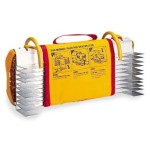 FIRE ESCAPE LADDER. Homes with more than one floor should have at least one Fire Escape Ladder stored on all floors, other than ground level. Store these ladders where they are easily accessible.
 On the Fifth Day of Christmas
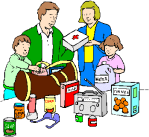
 On the Sixth Day of Christmas the Red Cross recommends that you assemble a PET SUPPLIES KIT. Pets enrich the lives of individuals and families in more ways than you can count. In turn they depend on people for their safety and well-being. Having a Pet Disaster Supplies Kit is one of the best ways to care for pets when disaster strikes.
 a WEATHER RADIO. As the voice of the National Weather Service, a Weather Radio provides continuous broadcasts of the latest weather information directly from a National Weather Service Forecast Office. During severe weather routine broadcasting is interrupted and special watch and warning messages are issued.
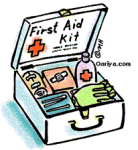 On the Eighth Day of Christmas the Red Cross recommends that you get a FIRST AID KIT. Because the first five minutes of a medical emergency are critical, every individual and family should have a First Aid Kit in their home and vehicle and on your boat.
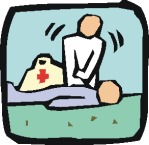 On the Ninth Day of Christmas the Red Cross recommends that you attend FIRST AID AND CPR TRAINING. For more than a century, the Red Cross has been saving lives with Health and Safety Services education programs. A unique idea for a Christmas Stocking would be a Gift Certificate for a First Aid and CPR Training course.
 HOUSE NUMBERS. Each home should have its number posted clearly on the front door, over the doorway, or elsewhere on the front so emergency responders can easily locate it. Lives and property can be saved simply by adequate house numbers where emergency workers can find them as quickly as possible.
 On the Eleventh Day of Christmas the Red Cross recommends that you purchase a FLASHLIGHT. As simple as a Flashlight is, it can become a very important tool during and after disaster strikes. Every Family Disaster Supplies Kit should contain a Flashlight and spare batteries.
 EMERGENCY COMMUNICATION PLAN. Each home should have a list of Emergency Phone Numbers posted near the phone or in the front of a phone book.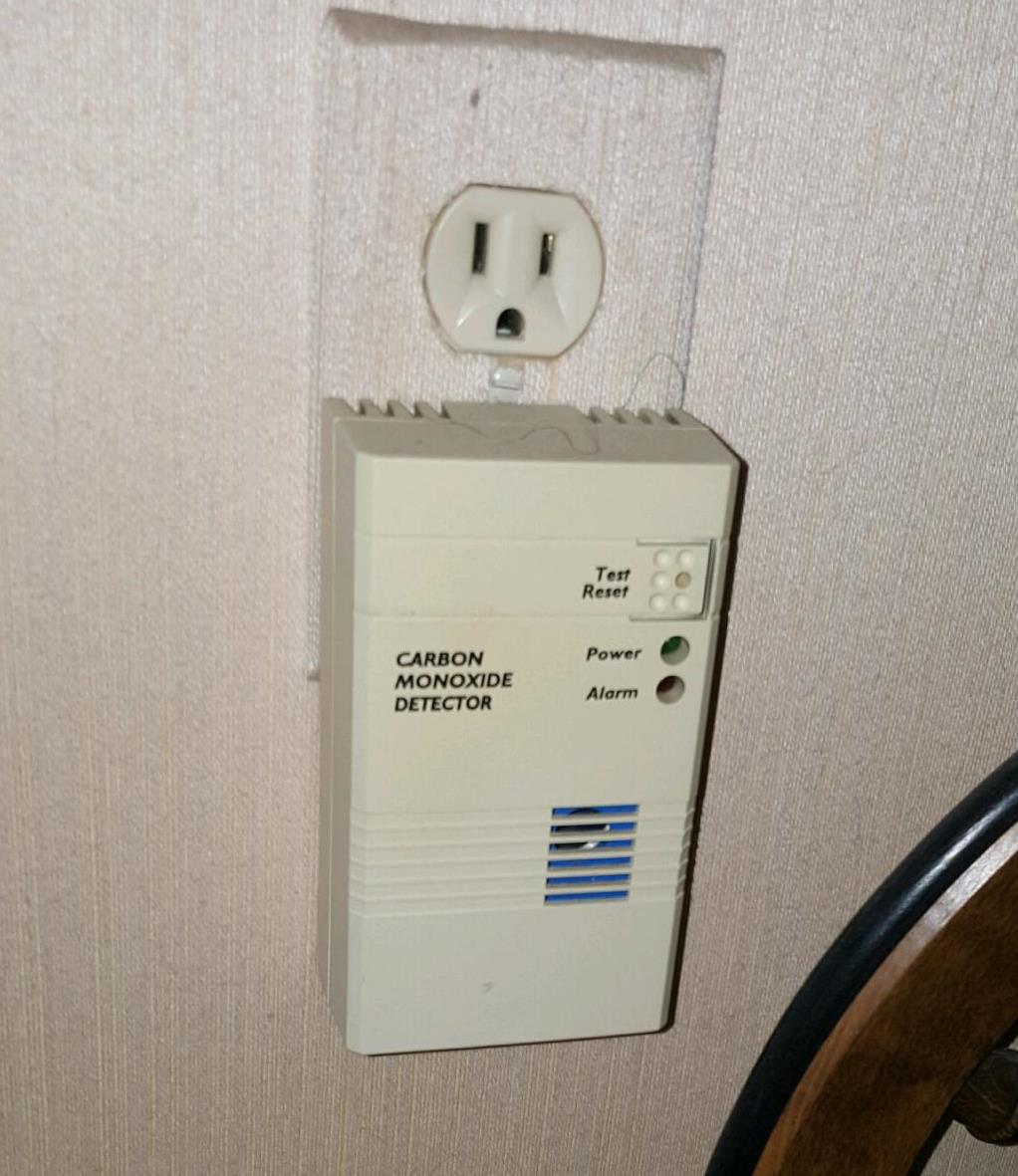
 On the First Day of Christmas, the Red Cross recommends that you install a SMOKE ALARM. Smoke alarms should be installed on every level of a home; outside bedrooms on the ceiling or high on the wall, at the top of open stairways and at the bottom of enclosed stairs and near (but not in) the kitchen. It is important to check your Smoke Alarms every month and replace their batteries when Daylight Savings Time begins in the spring and ends in the fall.
 On the Second Day of Christmas, the Red Cross recommends that you install a CARBON MONOXIDE (CO2) ALARM. Carbon Monoxide Alarms should be placed in hallways throughout the home. They should also be placed in recreational vehicles and on boats.
 On the Third Day of Christmas, the Red Cross recommends that you install a FIRE EXTINGUISHER. Install A-B-C type Fire Extinguishers in the home and teach all household members how to use them.
 On the Fourth Day of Christmas, the Red Cross recommends that you install a FIRE ESCAPE LADDER. Homes with more than one floor should have at least one Fire Escape Ladder stored on all floors, other than ground level. Store these ladders where they are easily accessible.
 On the Fifth Day of Christmas, the Red Cross recommends that you assemble a
  On the Sixth Day of Christmas, the Red Cross recommends that you assemble a
  On the Seventh Day of Christmas, the Red Cross recommends that you acquire a WEATHER RADIO. As the voice of the National Weather Service, a Weather Radio provides continuous broadcasts of the latest weather information directly from a National Weather Service Forecast Office. During severe weather routine broadcasting is interrupted and special watch and warning messages are issued.
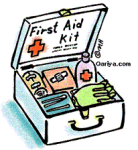 On the Eighth Day of Christmas, the Red Cross recommends that you get a
 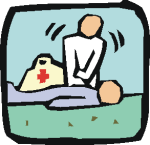 On the Ninth Day of Christmas, the Red Cross recommends that you attend
  On the Tenth Day of Christmas, the Red Cross recommends that you purchase HOUSE NUMBERS. Each home should have its number posted clearly on the front door, over the doorway, or elsewhere on the front so emergency responders can easily locate it. Lives and property can be saved simply by using adequate house numbers placed where emergency workers can find them. You can purchase numbers at your local hardware store.
 On the Eleventh Day of Christmas, the Red Cross recommends that you purchase a FLASHLIGHT. As simple as a Flashlight is, it can become a very important tool to use during and after a disaster. Every family disaster supplies kit should contain a flashlight and spare batteries.
 On the Twelfth Day of Christmas, the Red Cross recommends that you create an
  NOHredcross