
Other hosts needed to serve vital role during challenging times
By Olivia Wyles, American Red Cross volunteer
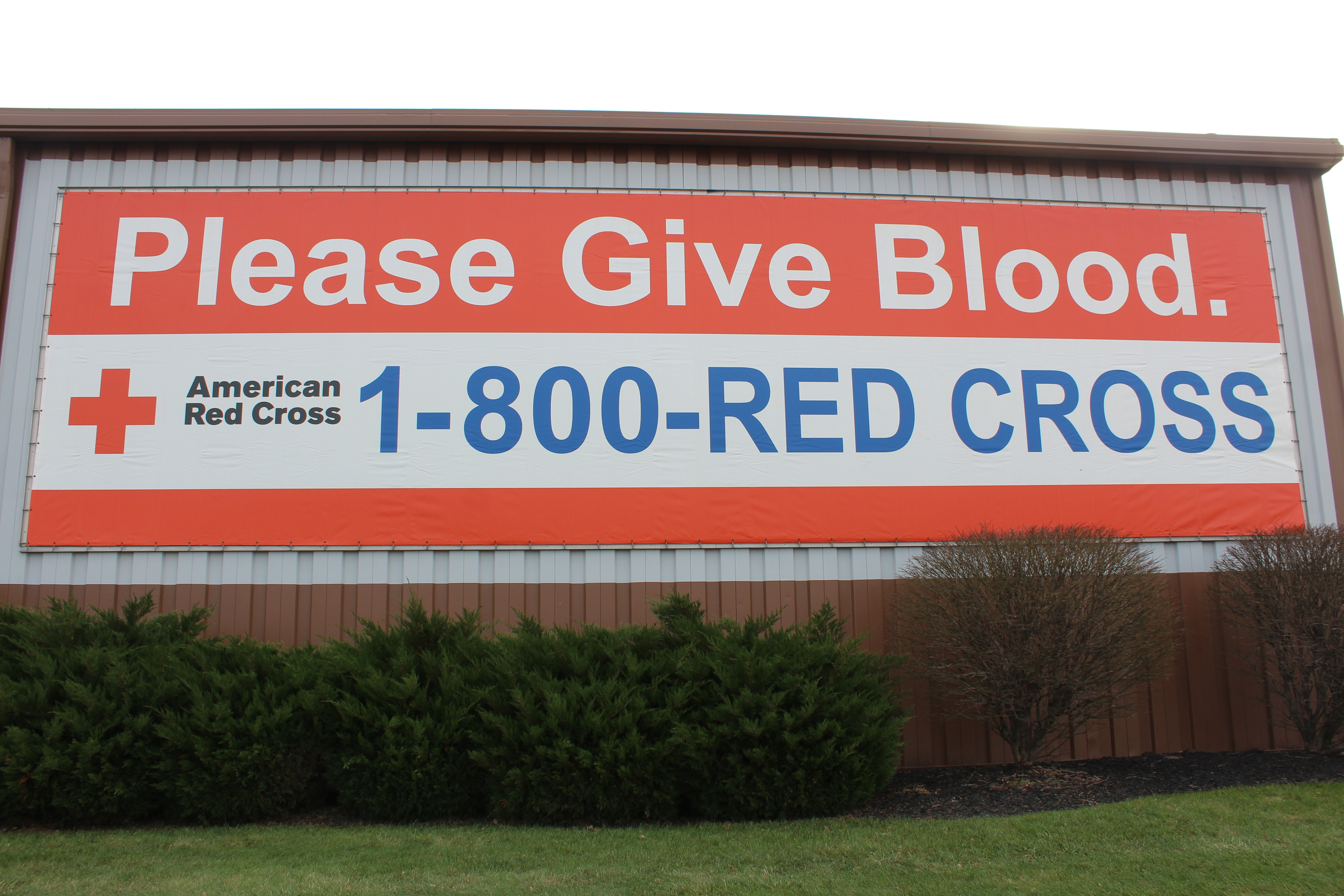
One of the first things that comes to mind when someone mentions the American Red Cross is blood drives — and rightly so, as the Red Cross provides about 40% of the entire nation’s blood and blood components. However, only about 3% of age-eligible individuals donate blood on an annual basis. Unfortunately, that number has dropped even further in the last year due in part to a lack of blood drive sponsors.
You may recall having the opportunity to donate blood when you were in school. But the COVID-19 pandemic has resulted in many schools and businesses no longer being able to host blood drives as more and more locations close and/or restrict access to their facilities. Furthermore, finding spaces that are large enough to host Red Cross blood drives while accommodating social distancing has been a challenge. This is a major barrier for the Red Cross, as our blood drive hosts play an absolutely critical role in maintaining a sufficient blood supply by providing opportunities for people to give to others in their local community. More than 80% of the total blood donations are made at blood drives hosted by our volunteers. Our blood drive hosts play an absolutely vital role in helping the Red Cross ensure that blood is available for patients in over 2,500 hospitals throughout the nation.

Solon Community Center has stood out as a leader for not only continuing to host blood drives over the past year, but for even adding additional blood drives to its schedule. Solon Community Center has been a partner of the Red Cross since 2004. Even amidst the pandemic, it was able to collect 1,095 pints of blood in 2020, which has the ability to help save up to 3,285 lives. The persistent dedication of Solon Community Center staff to host blood drives, combined with the constant support of its local blood donors, have served as an exemplary model for other current and potential blood drive hosts who can also advance the Red Cross mission to provide lifesaving blood for those who need it.

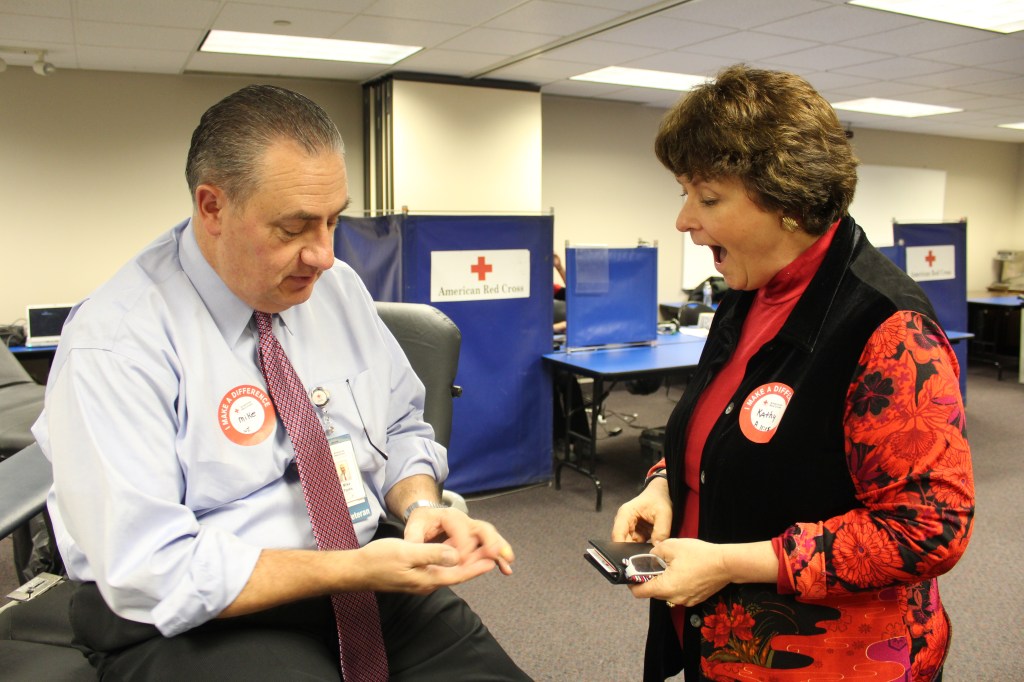
Health and safety is a priority for the Red Cross. All of our blood drive hosts follow the highest standards of safety and infection control while we do our jobs. Some of these protocols include temperature checks for both staff and donors prior to entering a blood drive, mandatory face masks, easily-accessible hand sanitizer at every step of the donation process, and social distancing wherever possible. Lastly, we also urge donors to schedule appointments prior to arrival to ensure that we can manage the flow of donors at blood drives.
So what are you waiting for? Your organization or company could be our next blood drive host and help the Red Cross bring lifesaving resources to those who greatly need them. For those interested in hosting a blood drive, please visit https://www.redcrossblood.org/hosting-a-blood-drive/learn-about-hosting/why-host-a-blood-drive.html.
Edited by Glenda Bogar, American Red Cross volunteer


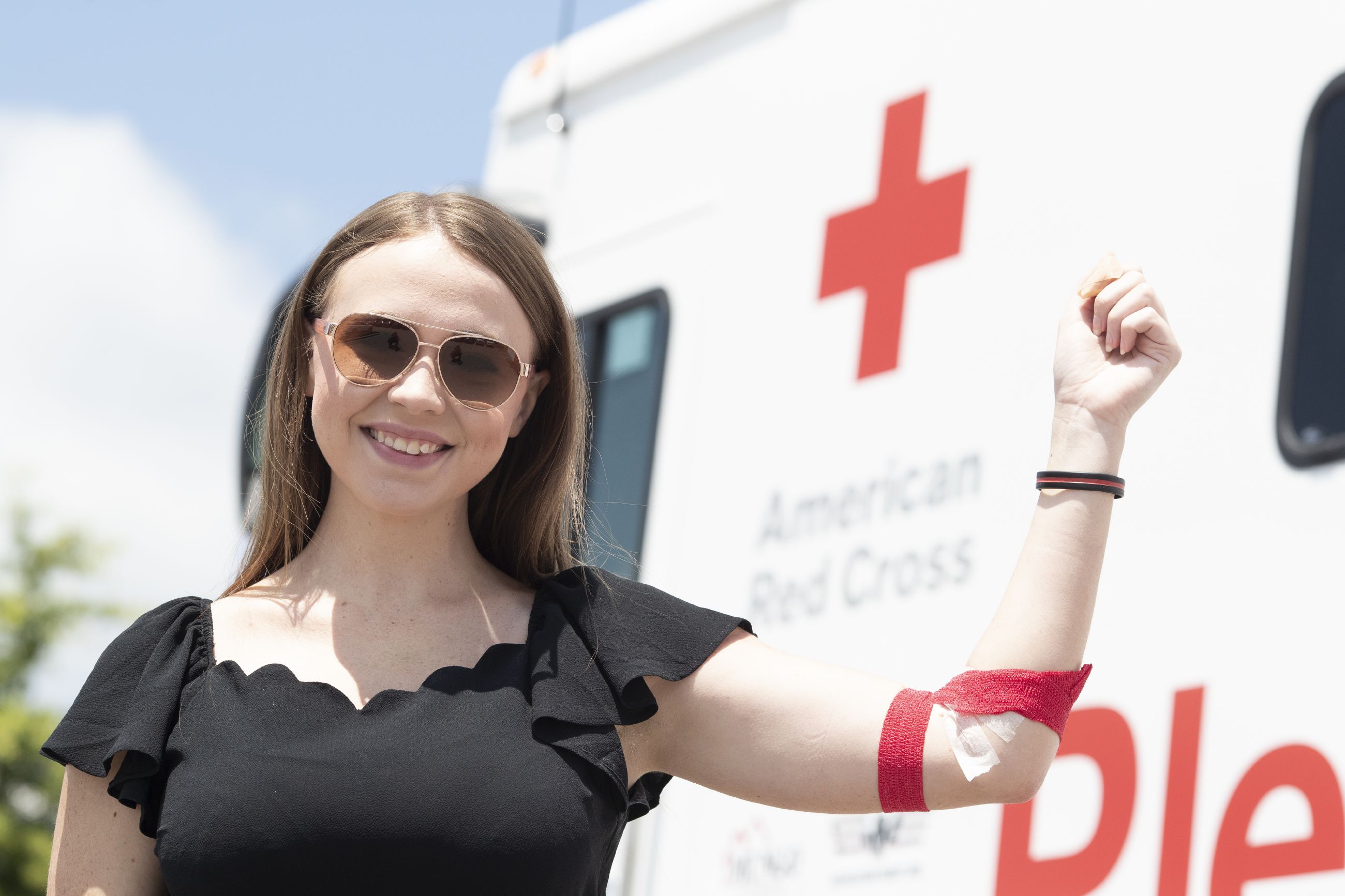
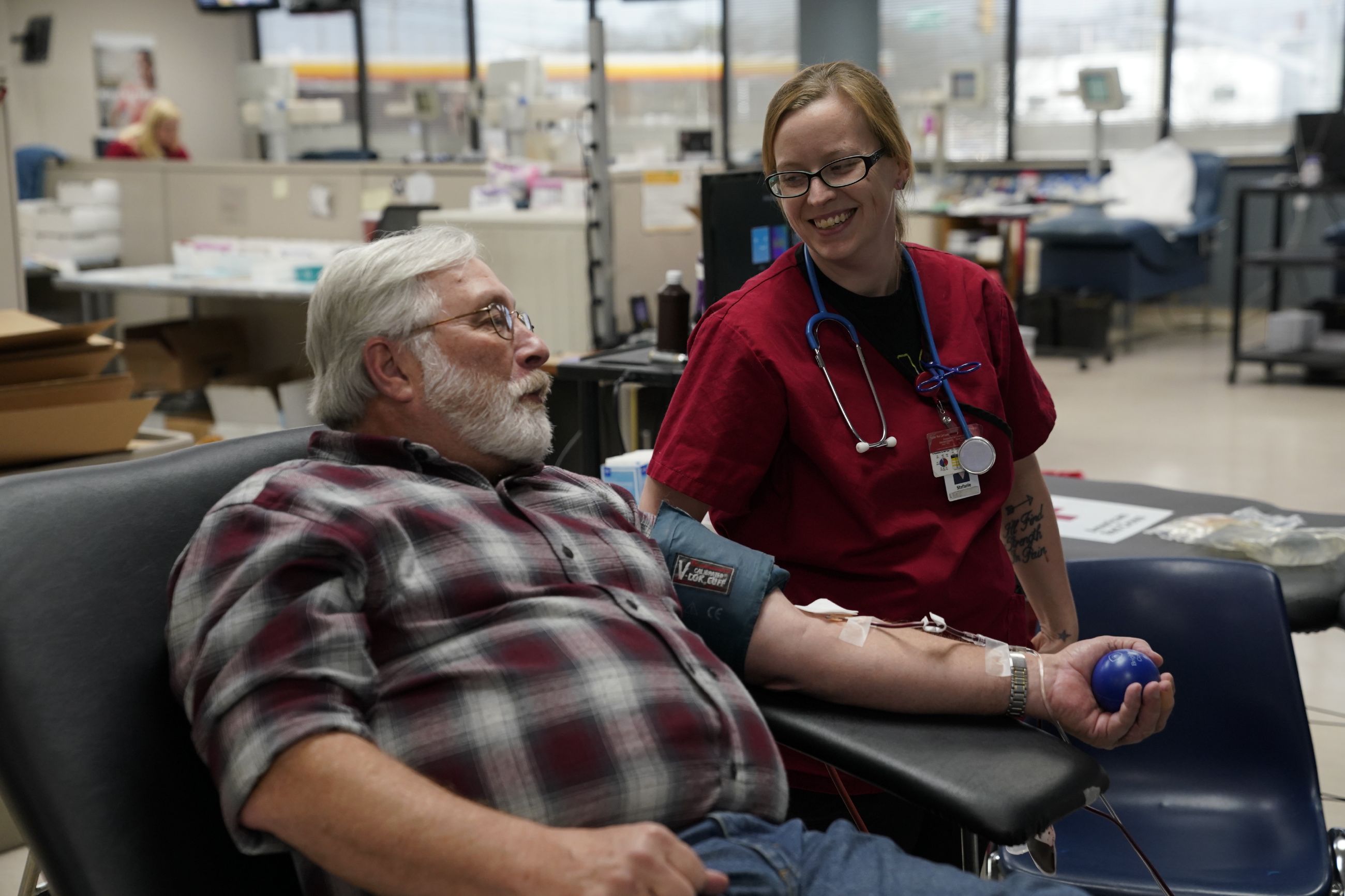
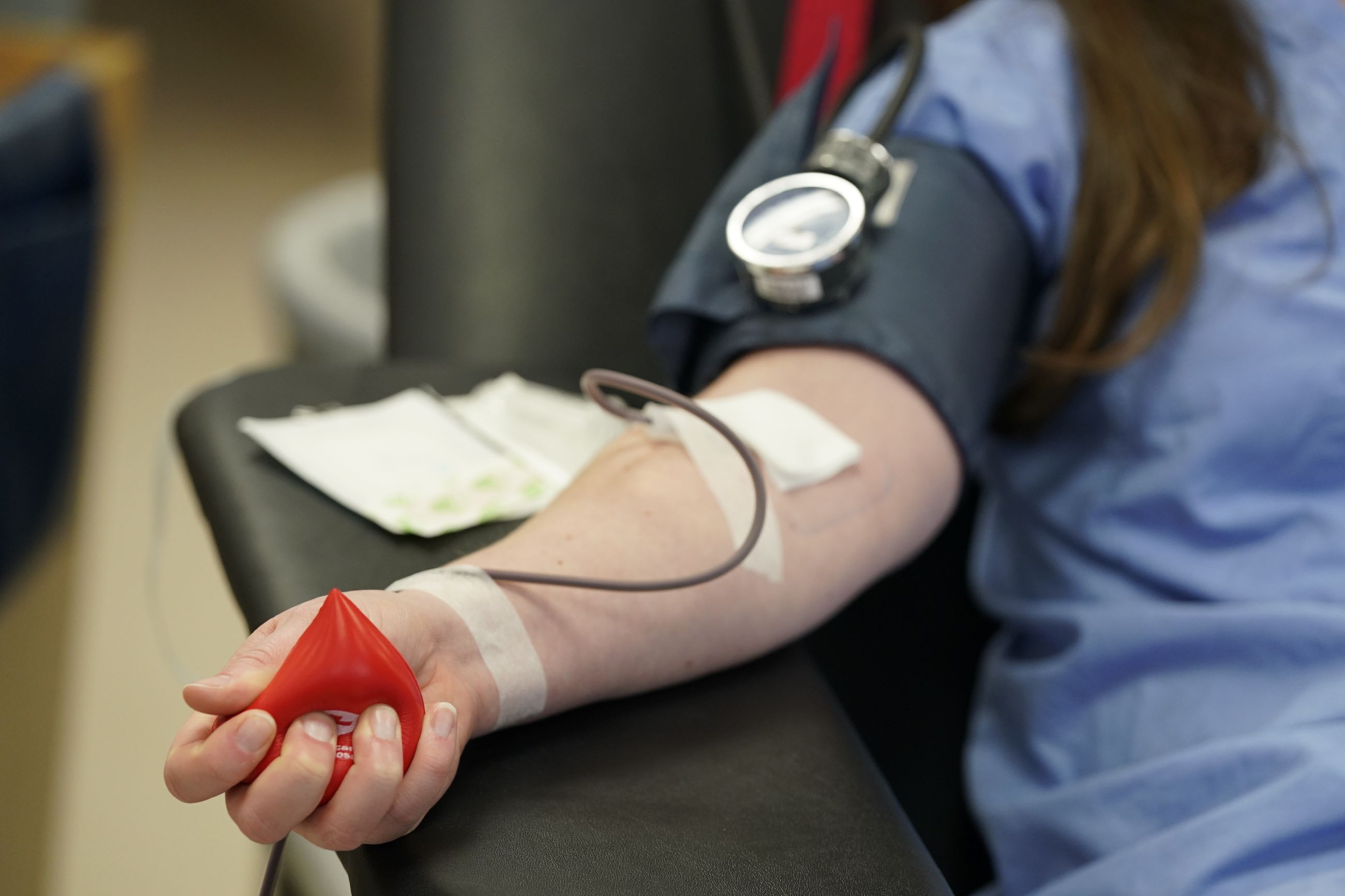
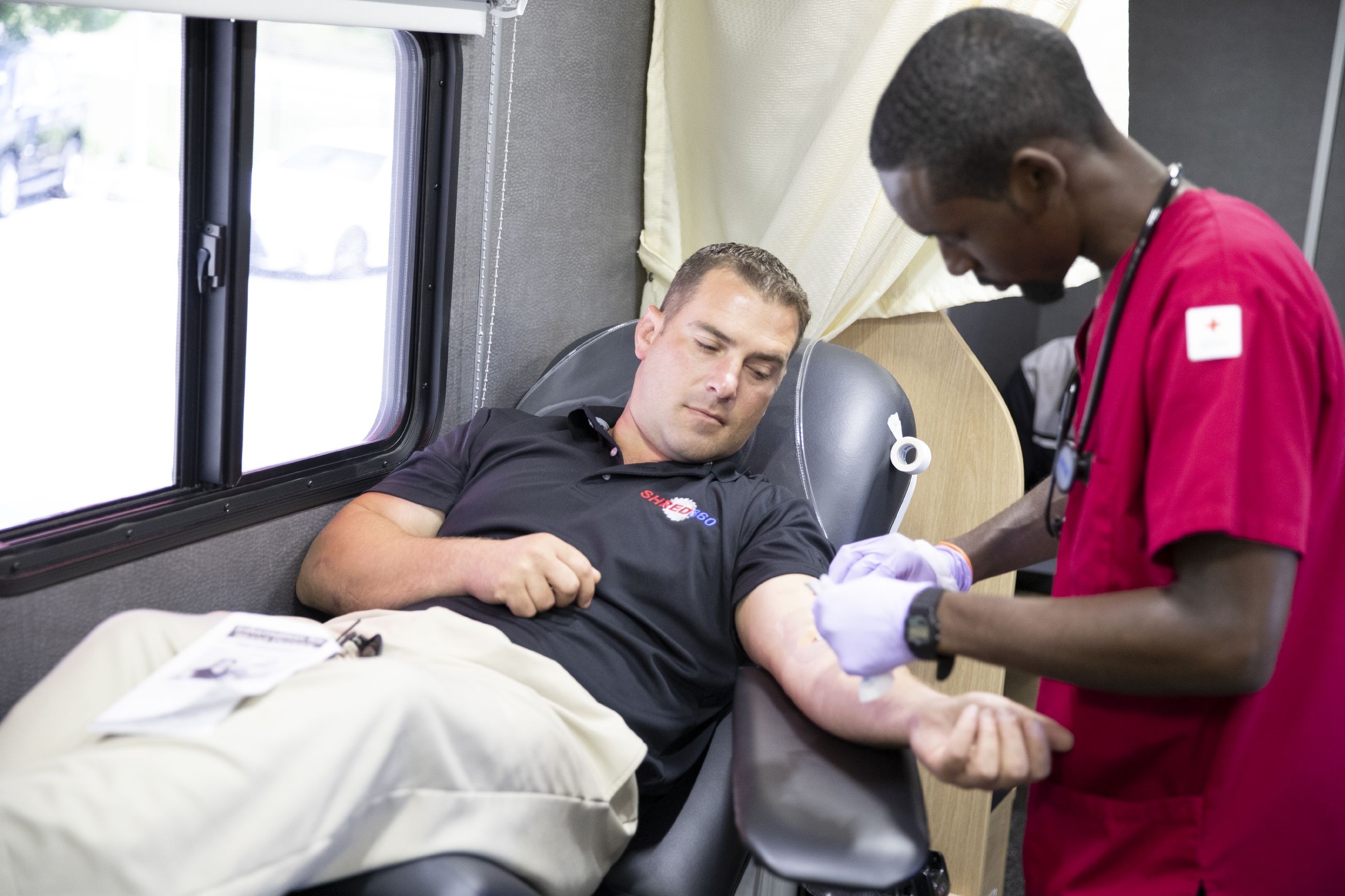
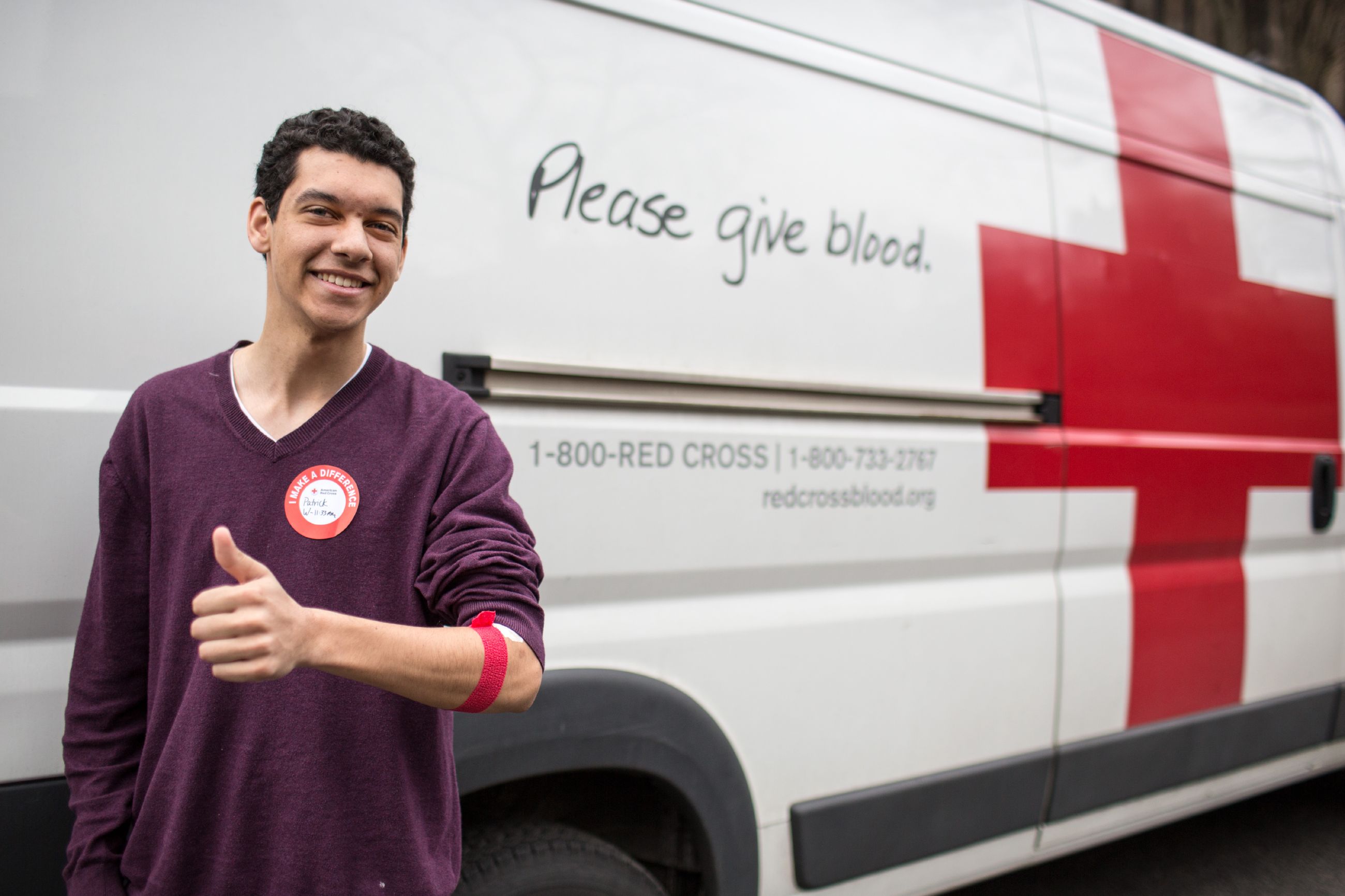
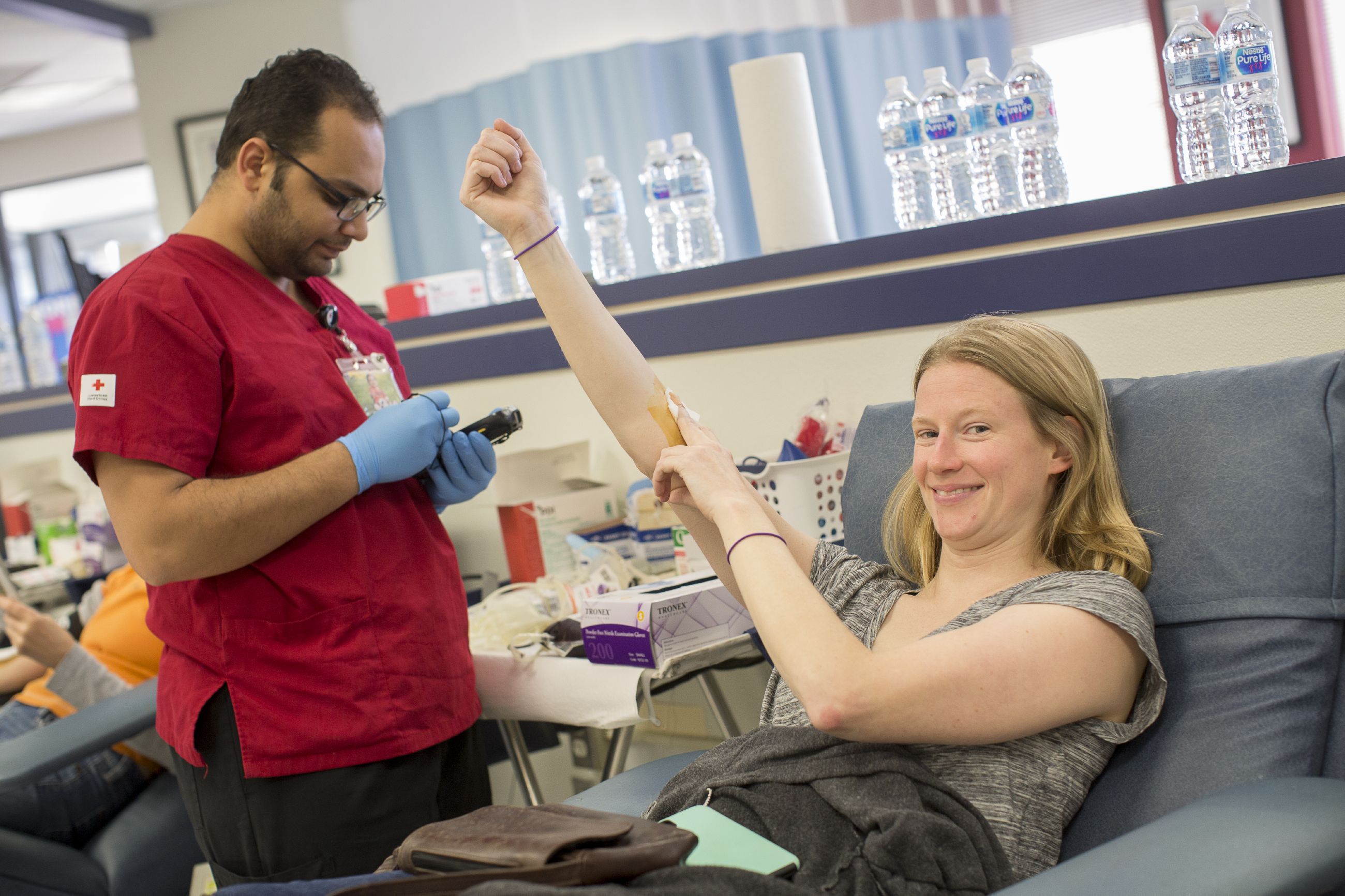 January is National Blood Donor Month. If you have never given blood before or it has been a while, it is the perfect time to become a blood donor.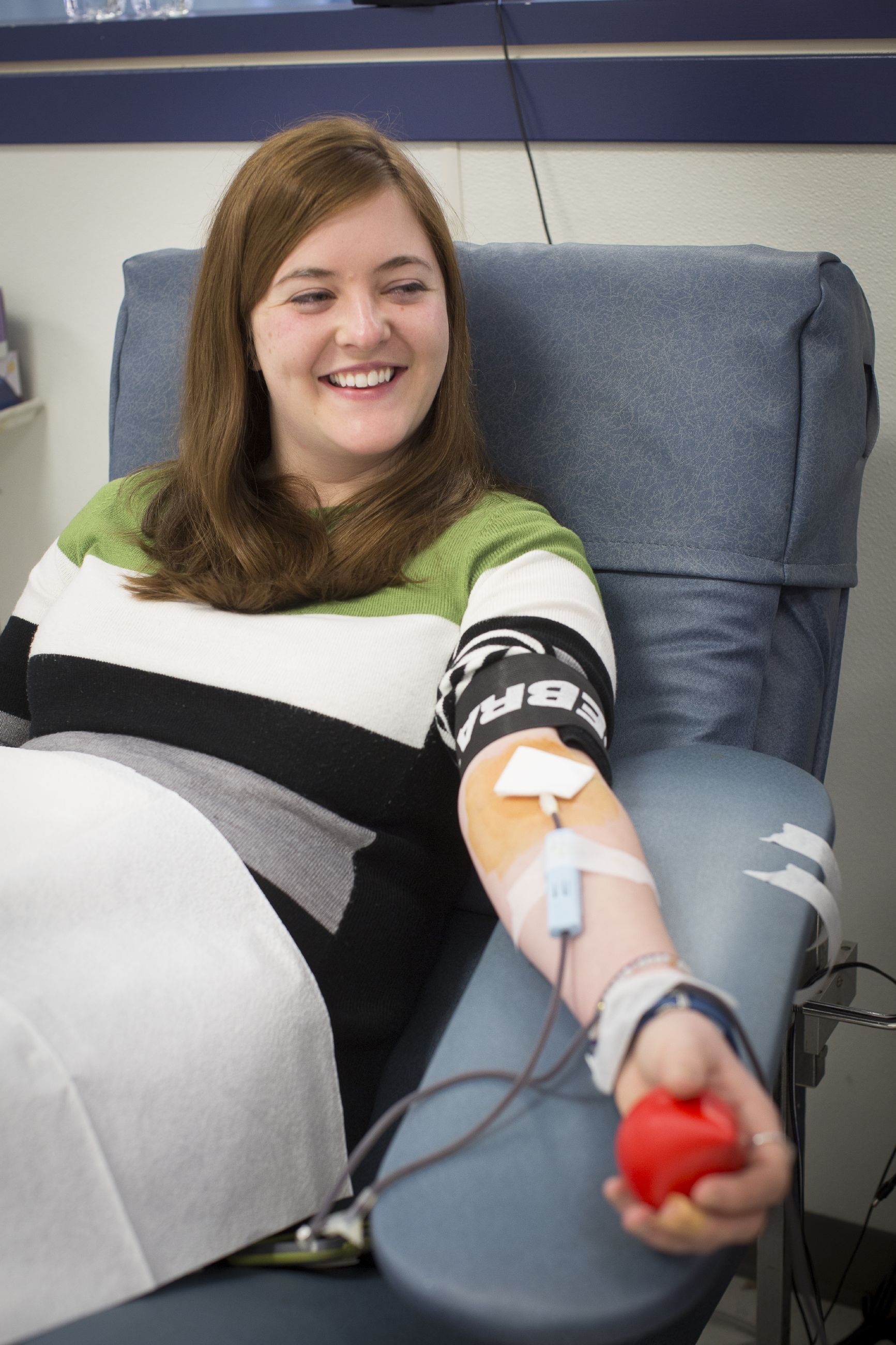

 A 77-year-old American Red Cross volunteer from Ashtabula, Ohio, Mariann Pete likes to help people and be there for them during their emergencies. Marianne started volunteering seven years ago with her primary duties focused on managing blood donors at Ashtabula County Medical Center (ACMC) in Ashtabula County. An inspiration for people of all ages who consider volunteering part-time, Mariann has volunteered since 2002 two to three times every month with her weekly hours ranging between four to five.

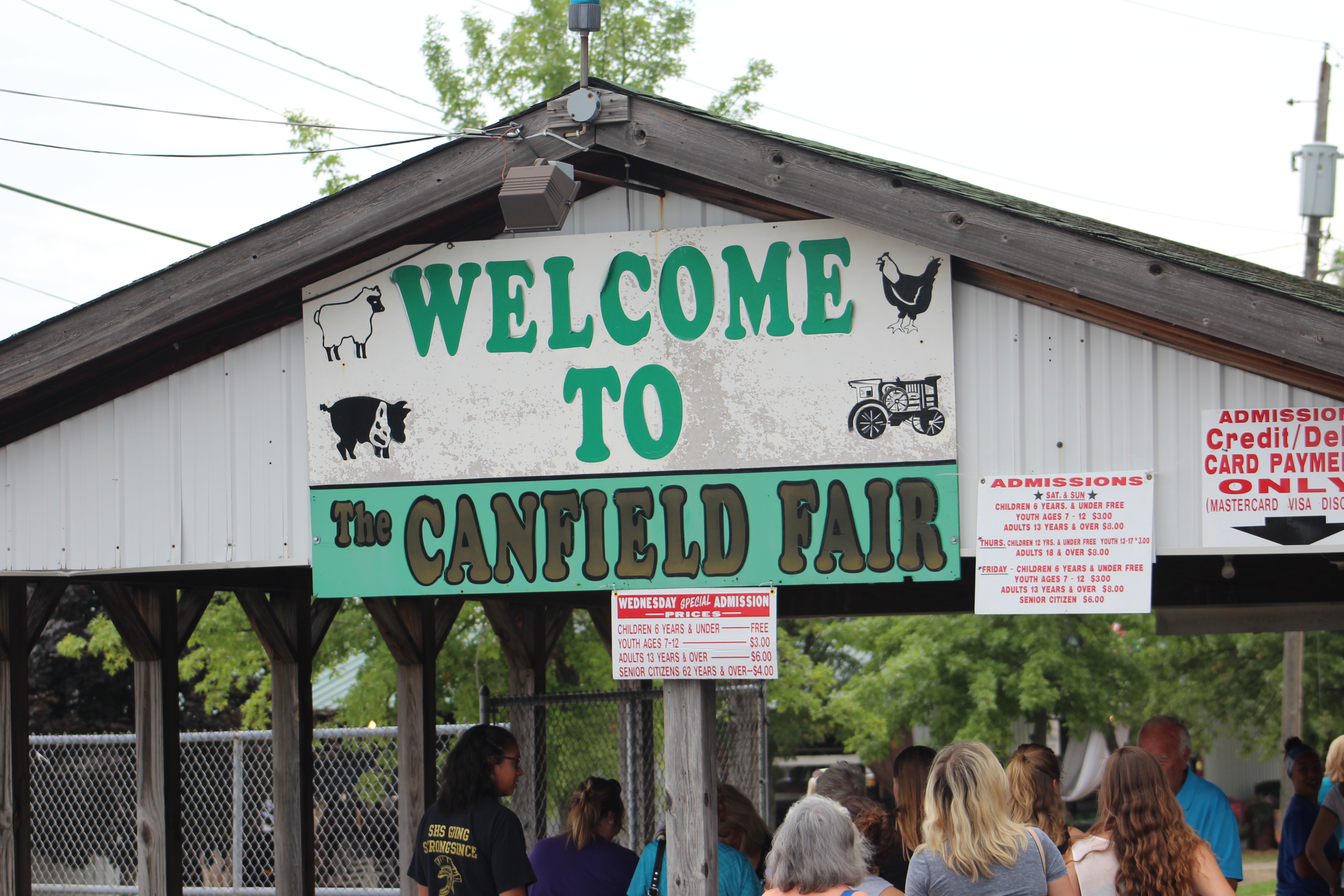
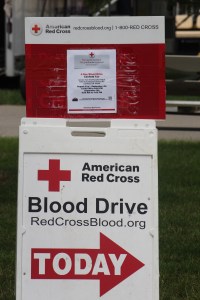 For decades, the Red Cross has played an important role at the fair. Each day the blood mobile is there collecting lifesaving blood. In the medical building, board members and volunteers staff our booth, where we pass out smoke alarm application forms. We work in three-hour shifts. Most help at our booth, then take in the sights, sounds and, of course, the food. Our volunteers get free tickets to the fair! We may have some shifts available.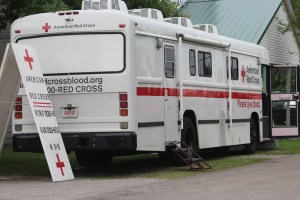
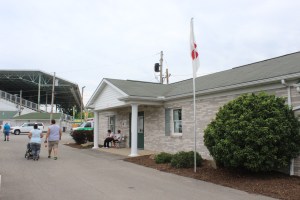 the fair that 20 years ago, the Canfield Fair Board constructed a Red Cross building, where onsite care is provided. They also built a secondary site on the opposite side of the fairgrounds. Certified Red Cross volunteers help scribe (keep records) and do minor triage for fair injuries that are overseen by a doctor. EMS plays a part, transporting the injured via golf carts to immediate help. Ambulances (and even a helicopter) are a call away if needed. Historically, the most frequent fair injuries have been bee stings, animal bites and blisters. So if you attend, wear comfortable shoes, don’t stick your hands in the animals’ stalls and do eat lots of yummy fair food. Who cares about the calories?




 NOHredcross