
By Tim Poe, American Red Cross volunteer
Each day in Northern Ohio, the American Red Cross collects and distributes lifesaving blood platelets to help treat people fighting cancer, chronic diseases and traumatic injuries. Platelets are crucial in treating cancer, as they are a key blood clotting component.
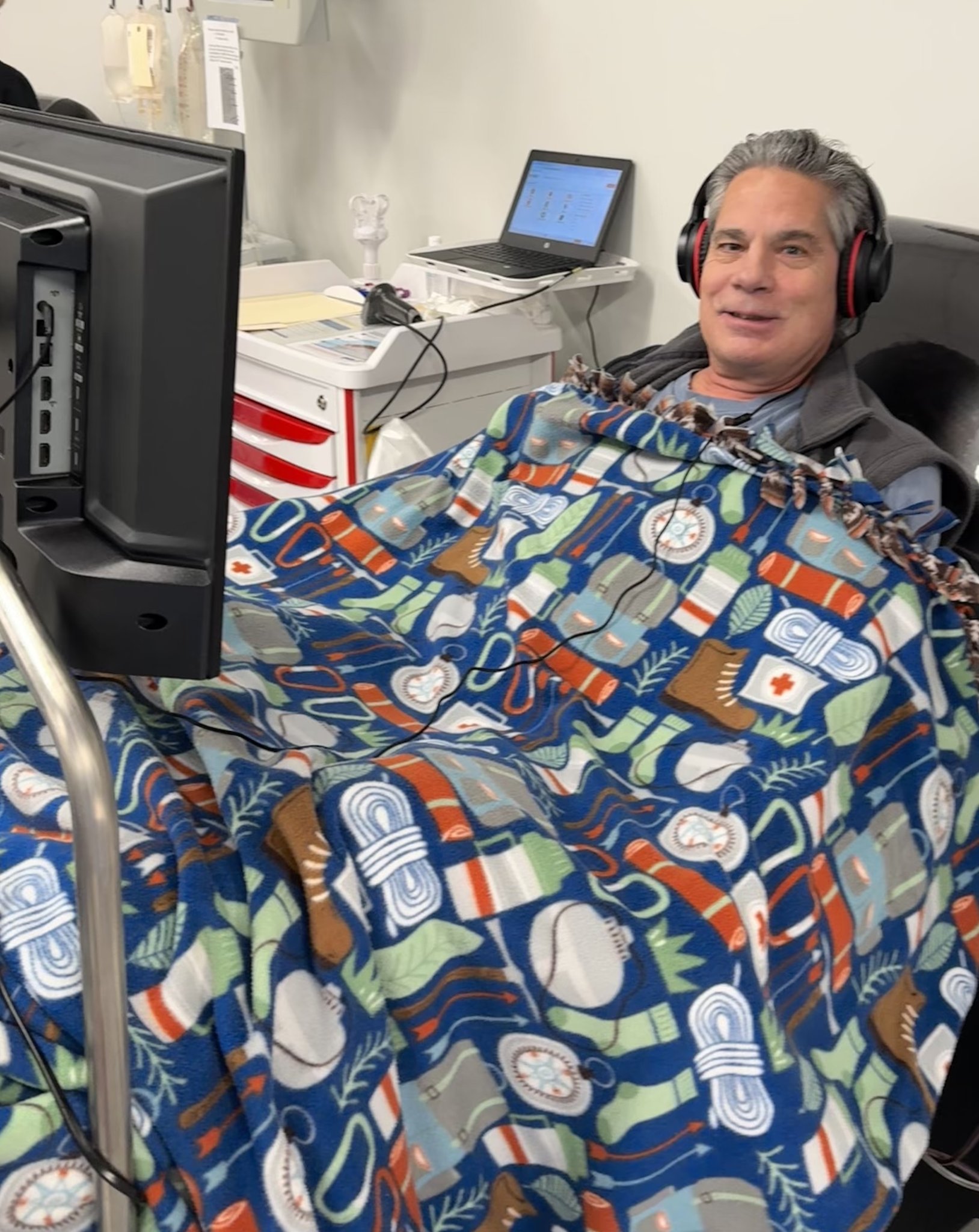
Platelets have a shelf life of only five days, and a unit is needed every 30 seconds in the U.S., creating continual demand.
February 4th is World Cancer Day, which focuses on a disease that has deeply touched many of our lives. For 2026, excluding non-melanoma skin cancers, The American Cancer Society expects about 2.1 million new cancer cases to be diagnosed in the U.S., over 78,000 of them in Ohio.
As the Red Cross supplies 40% of the U.S.’s blood supply, we wanted to focus on the power of platelets in fighting cancer, especially as the Red Cross is currently facing a blood shortage and needs your help.
I spoke with James Keane about his experience on the importance of blood platelets for cancer patients. James’ daughter, Molly, was treated for leukemia from 2015 to 2017, beginning when she was 7 years old.
“When Molly was in the hospital,” James said, “especially during the first few months of her treatment, she got platelets all the time. Both the nature of her leukemia and the course of her treatment made it an almost-daily thing for weeks, if not months. If I recall correctly, there were some medications she received which required a platelet transfusion as part of the protocol.”
James has been aware of blood products much of his life, since his grandfather’s career was at a lab where his team separated blood products. Because of his family history, James asked the doctors and nurses “where all these yellow bags were coming from.” He would have asked if he thought blood shortages were something he needed to worry about but thinks he would have been told “no” even if not true. James explained, “Pediatric doctors and nurses are very careful to only let you know about the things you should be worrying about and watching for at the moment. They are very good at keeping you on a need-to-know schedule, shielding parents from worrying about things in the distant future or otherwise out of their control. There was generally plenty to worry about in the moment.”
Today, Molly is doing well and currently helping to raise funds for Blood Cancer United.
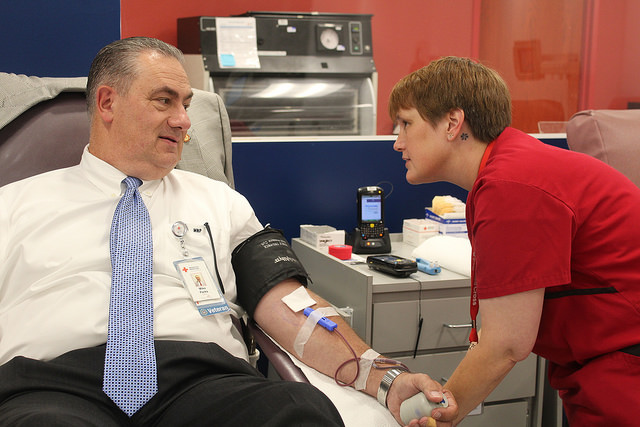
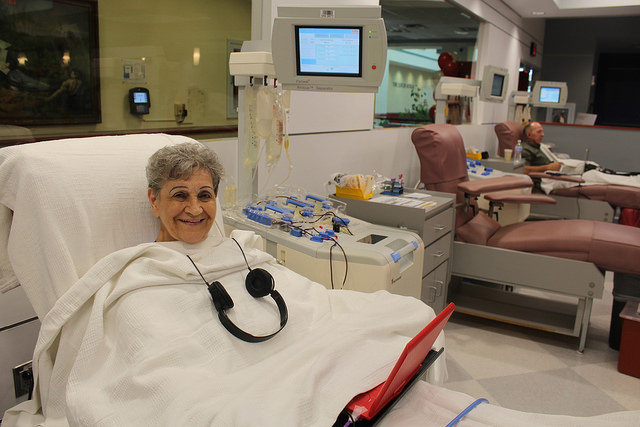
To answer James’ question of where blood platelets come from, the vast majority are from platelet donors. An apheresis machine collects the donor’s platelets along with some plasma, returning red cells and most of the plasma back to the donor over about two hours. Platelets can be donated every seven days, up to 24 times a year.
As James, Ryan Lang, who wrote about his family’s experience last year, and millions more can attest, platelet donors make a tremendous impact when help is desperately needed.
More information about blood platelets and the donation process is available here. To make a blood donation of any type, go to RedCrossBlood.org, call 1-800-RED CROSS, or download the free Red Cross Blood App.
Edited by Glenda Bogar, American Red Cross volunteer
 NOHredcross