By Samantha Pudelski, American Red Cross volunteer
Today is World Blood Donor Day, a day where organizations around the world highlight the importance of safe blood, platelet and plasma donations provided by individuals around the world, and right here in our own backyard.
Donors are especially important at times like these, during the severe blood shortage currently being experienced, due to increased hospital demand, as the number of trauma cases, organ transplants and elective surgeries have risen, depleting the nation’s blood supply.
Every two seconds someone in the U.S. need blood and/or platelets. It is essential for people having surgery or cancer treatment, individuals who experienced a traumatic injury and those with certain chronic illnesses. The American Red Cross provides about 40% of our nation’s blood and blood component supply, collected from generous volunteer donors at blood drive events throughout the year.
This World Blood Donor Day, we’d like to highlight some of our recent Northern Ohio blood donors and their words of encouragement to others about donating blood.
“Once you get started, you won’t want to stop. It is very rewarding. Even when I did not have a high enough Iron level, I was not deterred. I kept trying. I kept going,” says Roberta Koester from Chardon.
Linda Goeke from Hudson said, “I love getting the messages that my blood has been sent to such and such a place to help someone in need.”
And finally Brenda Turek from Boardman talk about how little time it takes to donate: “It is easy. For me it is one hour from the time I leave home to the time I get back home.“
It’s with donation from donors like you, that life-saving blood can be provided to people when they need it the most. Only 3% of age-eligible people donate blood yearly, and with each new donor, we are able to better meet the supply needed.
To learn more about the donation process and to find a blood donation drive near you, visit redcross.org/blood.
A free ticket to Cedar Point available to blood donors at select drives
By Jason Copsey, American Red Cross volunteer
Cedar Point has been a part of Ohio family summer traditions for generations. The ever-growing amusement park draws millions each year from all over the world with 72 rides, including 18 roller coasters – many of which are considered best-in-class. And, each year, thousands of blood donors enjoy admission to the park for free, thanks to the generosity of Cedar Fair.
Cedar Fair, the owner and operator of Cedar Point and many other parks across the country, is once again partnering with the American Red Cross this summer to offer free tickets to blood donors at several blood drives throughout the region. Visit our calendar of events to find the drives offering Cedar Point tickets, then make your appointment at redcrossblood.org, sponsor code cedarpoint. Those who participate in these select drives will receive one free ticket, which can be used for entry at any of Cedar Fair’s parks, including Cedar Point.
Cedar Fair has been an important supporter of the Red Cross mission for years. Since 2016, the company has donated over 100,000 tickets to the Red Cross to help promote blood donations. The partnership and promotion helps the Red Cross maintain blood and platelet donation levels, as summer months often bring a decline in donations.
In addition, beginning July 1, all presenting donors will be entered to win a trip for four to Cedar Point of Knott’s Berry Farm – airfare, hotel stay and food vouchers included. More information can be found online. Anyone can enter the contest by emailing customercare@redcross.org.
Cedar Point is celebrating its 150th anniversary this year, with a full slate of special events, live music, food and experiences lasting throughout the season. Although the actual 150th anniversary was last year, the COVID-19 pandemic disrupted planned events.
Have you ever set a goal and reached it? How about doubling the goal and reaching that?
Now, how about knowing that in reaching those goals you’ve saved or improved the quality of life for hundreds of men, women and especially children?
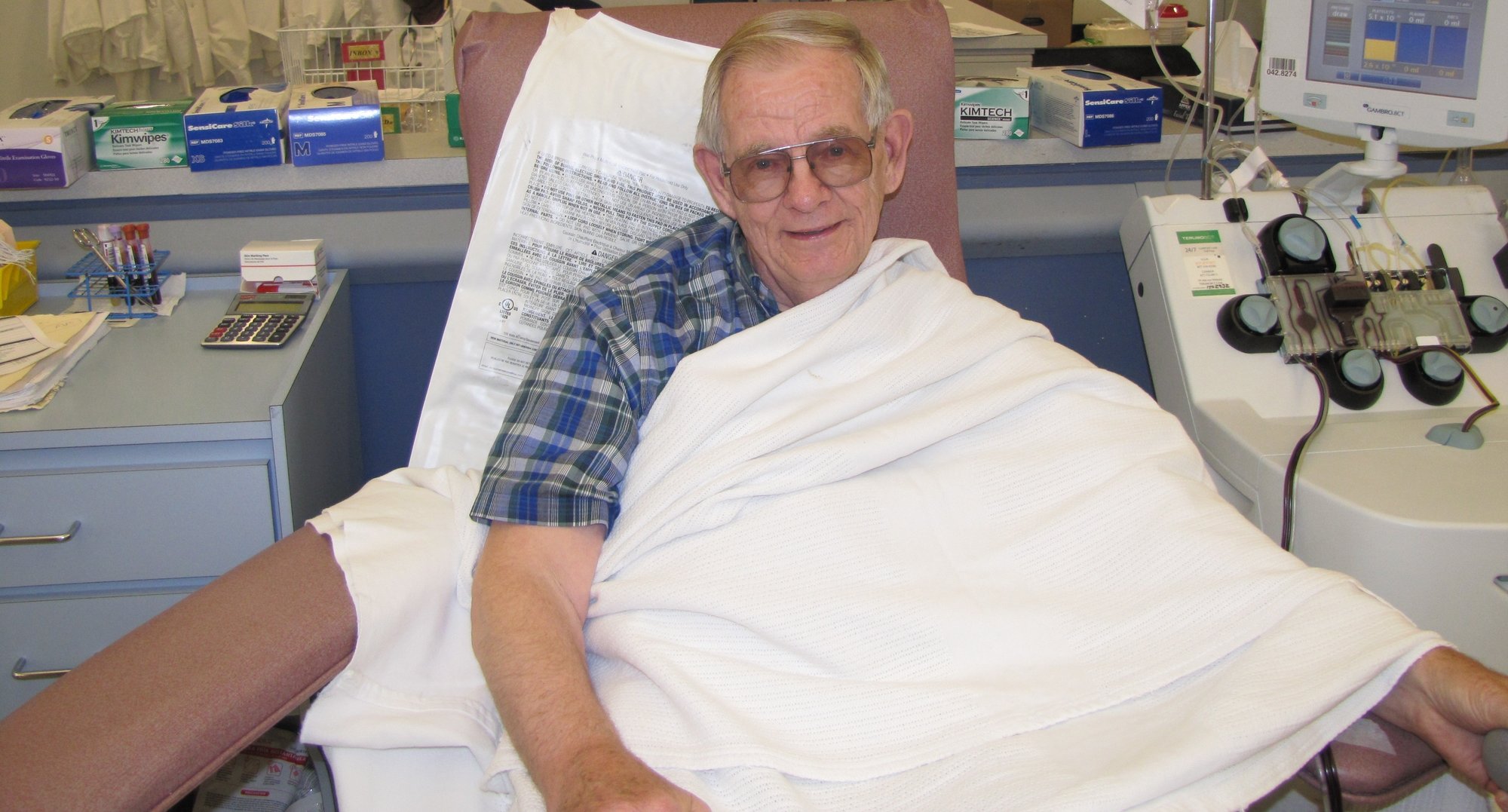
Al Whitney knows that feeling: He’s donated platelets – the part of blood that creates clotting – in all 50 states. Twice! Oh, and in Canada and Australia for good measure.
“When people ask me why I do this, I just tell them, ‘You go and walk through a cancer ward and then come back and ask me why I do it’,” he said. “You’re not donating blood. You’re donating life.”
The spry 84-year-old began his life-saving career in 1965, when he saw a big Red Cross sign in downtown Cleveland that said, “Donate blood.” So he did. When he walked out, he was inspired: “Al, you can do more.”
So he started organizing regular blood drives in Avon Lake, his home town, while continuing to donate blood himself, every 56 days.
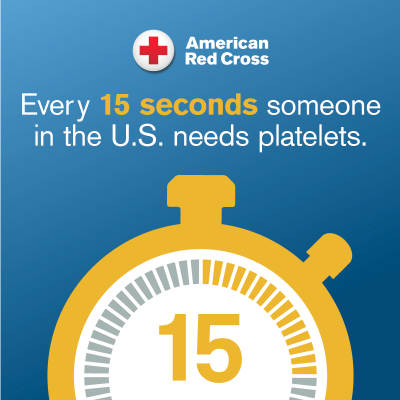
Sometime in the late 1970s or early ‘80s, he switched to donating platelets, which are always in short supply because that blood component only has a shelf life of five days. Every 15 seconds, someone with cancer, chronic disease or traumatic injuries needs platelets.
In the process of platelet donation, the blood clotting portion of whole blood is “spun” out and the rest of the blood is returned to the donor; typically, the body replaces its platelets in 24-36 hours. The FDA allows platelet donors to give 24 times a year.
In the fall of 2007, Al challenged himself to donate platelets in every state. It took him five years to reach that goal. “Al, you can do more,” whispered in his ear again. So he set out to double the feat. He hit that target in March this year, when he made a donation in Albuquerque, N.M.
“Sometimes people will tell me, ‘I don’t like needles’,” Al said. “I tell them, ‘I know how you feel. But think of that little boy in the cancer ward. Do you think he likes needles?’ ”
As of his most recent donation, on April 21, Al has given 983 units. “God willing, I’ll make it to 1,000,” he said. He looks forward to hitting that milestone this fall, at the Red Cross donation center in Cleveland.
Editor’s Note: The Red Cross currently has an emergency need for platelets and type O blood, as hospital demand for these products continues to outpace donations. Over the last year, the Red Cross has collected over 1 million units of platelets, and nearly half of those have been provided to patients undergoing cancer treatment. More platelet donors are needed to continue to meet these needs.
American Red Cross and American Cancer Society partner to help patients and encourage donors to Give Blood to Give Time
CLEVELAND, June 7, 2021 – The American Red Cross and the American Cancer Society have teamed up this June to encourage people across the country to Give Blood to Give Time and help ensure loved ones have the strength and support they need as they undergo cancer treatment.
According to the American Cancer Society, many patient visits and procedures were forced to delay or cancel early in the pandemic to reduce the risk of exposure to COVID-19. With procedures resuming, blood donations are critical for cancer treatments. Unfortunately, the Red Cross is seeing fewer blood and platelet donors give as the nation begins to climb out of this pandemic. This downturn comes at a time when the Red Cross continues to see strong demand for blood products − including platelets − by hospitals, causing concern for the sufficiency of the blood supply this month and throughout the summer.
Some types of chemotherapy can damage bone marrow, reducing red blood cell and platelet production. Other times, the cancer itself or surgical procedures cause the need for blood products. About six blood products are needed every minute to help someone going through cancer treatment. Yet only 3% of people in the U.S. give blood. It is vital that more people donate blood and platelets regularly to meet that need.
To schedule a blood or platelet donation appointment, visit GiveBloodToGiveTime.org. As a special thank-you, those who come to donate through June 13 will receive a limited-edition Red Cross T-shirt, while supplies last.
“The need for blood in cancer treatments is an important and untold story,” said Howard Byck, senior vice president of corporate and sports alliances, American Cancer Society. “The American Cancer Society is excited to be working with the Red Cross on Give Blood to Give Time. Through this partnership, we want people to know there are multiple ways they can help and make a meaningful difference in the lives of patients and their families.”
The Red Cross not only has an emergency need for platelets, but also for type O blood donors, as hospital demand for these blood products continues to outpace donations.Type O blood is the most needed blood group by hospitals. Type O positive is the most transfused blood type and can be transfused to Rh-positive patients of any blood type.
Type O negative is the universal blood type and what emergency room personnel reach for when there is no time to determine the blood type of patients in the most serious situations. Visit redcrossblood.org to find the blood drive that fits your schedule.
Responsible for providing approximately 40% of the nation’s blood supply, the American Red Cross is always concerned with maintaining a wide variety of blood types as well as blood derivatives such as plasma and platelets. With constant demand, the Red Cross aims to provide a well-stocked, diverse blood donor bank at all times.
A pioneer in blood preservation
As World War II began in 1939, Dr. Charles Drew, an African American doctor was a General Education Board Fellow in surgery at Columbia University in New York City. There, he studied blood preservation, and developed techniques for preserving plasma, a crucial blood component often given to trauma patients and burn victims.
Dr. Drew’s Columbia dissertation had direct implications on the transportation and storage of blood during World War II. Dr. Drew’s dissertation included details for establishing the experimental blood bank at the Presbyterian Hospital. He described the processes of drawing blood, typing donors and identifying the indications for transfusion. He compiled both donor and recipient statistics as well as the types of adverse reactions to transfusion. Many of these processes are still in use today.
In 1940, the American Red Cross and its partners launched “Blood for Britain”. They planned to ship large quantities of plasma to England to help heal those wounded during the Blitz. “Blood for Britain” chose Dr. Drew to lead the project as its medical director.
In January 1941, Dr. Drew was named the first medical director of the American Red Cross Blood Services. He oversaw the first blood drives using bloodmobiles — refrigerated trucks serving as donation centers. The drives were a success, even though it was still quite uncommon for people to give blood for unknown recipients and without compensation. Bloodmobiles are still in use today by the Red Cross and other blood collection organizations for blood drives across the US.
Dr. Charles Drew was born on this date, June 3rd, in 1904.
Blood collection today
Four Red Cross blood donation centers operate year-round in Northern Ohio:
In addition, remote collection sites occur all during the year across Northern Ohio. A list of sites can be found here. Merely type in your zip code and select the best time and date for your appointment.
One of those blood donor events will be Saturday, June 5th, from 9:00 a.m. until 3:00 p.m. at University Circle United Methodist Church (a.k.a. the Church at the Circle), 1919 East 107th Street, Cleveland, OH 44106. The Red Cross will be having their blood drive in the Great Hall (lower level – elevator accessible.) Donors will receive a $10 Amazon gift card by email and a free Red Cross T-shirt while supplies last. Go to RedCrossBlood.org or call 1-800-REDCROSS (800-733-2767) to check for available appointment times.
Consider taking a class this CPR and AED Awareness Week
By Tim Poe, American Red Cross volunteer
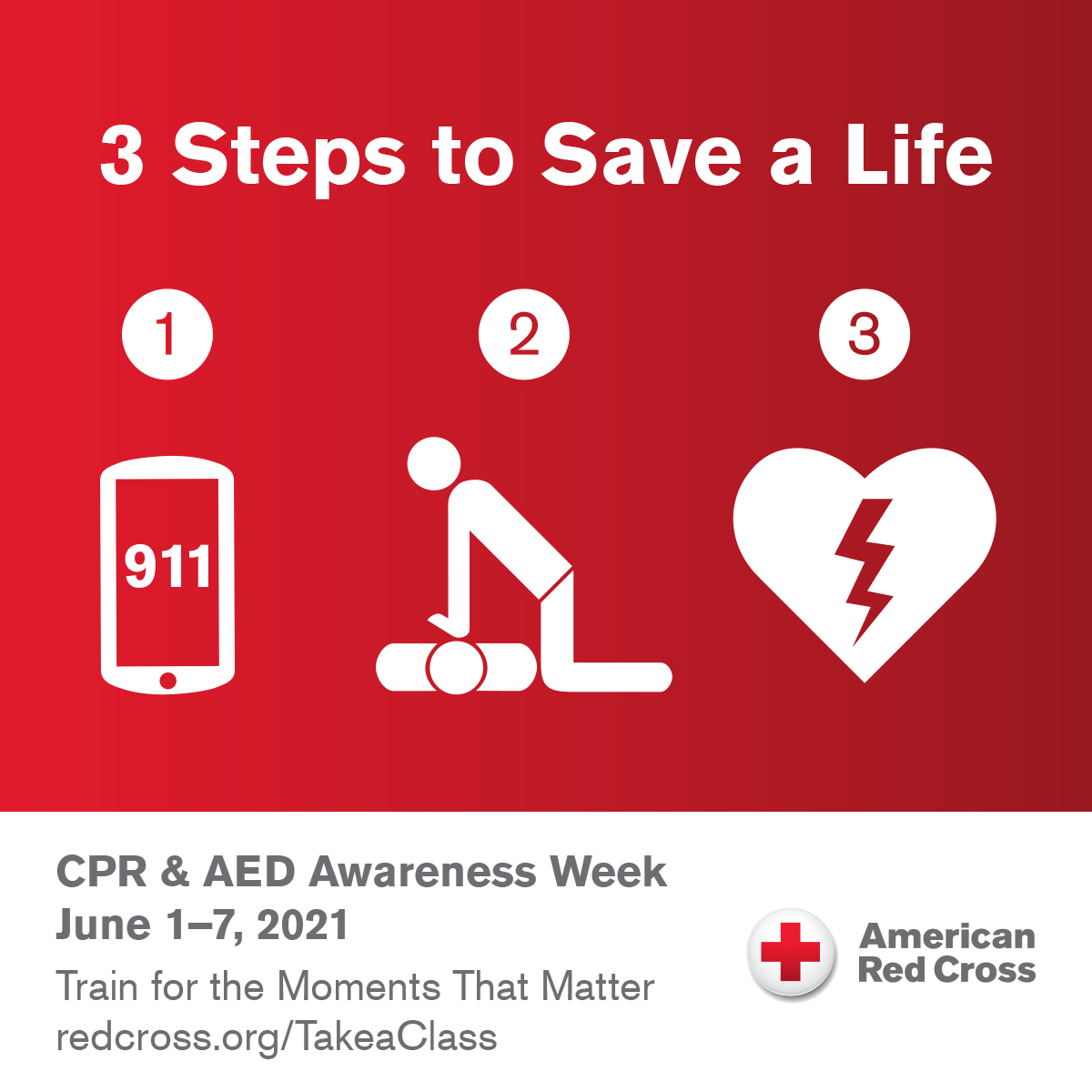
In the U.S., over 350,000 people suffer cardiac arrest outside of hospitals each year. Many of the roughly 10% who survive do so because someone performed CPR or used an automated external defibrillator (AED) within the first few minutes. Since the first week of June is National CPR and AED Awareness Week, we urge you to consider learning these lifesaving skills.
CPR and AEDs are effective, especially when performed by a bystander before emergency medical personnel can arrive. The Centers for Disease Control and Prevention (CDC) states that, if performed in the first few minutes of cardiac arrest, CPR can double or triple a person’s chance of survival.
Similarly, the National Institutes of Health (NIH) found that a bystander using an AED increased the likelihood of survival to 67% whereas waiting for EMS to shock the heart only had a 43% survival rate. The NIH also found survival with minimal disability is much greater when a bystander used an AED (57%, versus 33% when initiated by EMS). The NIH estimates 1,700 lives are saved in the U.S .each year by bystanders using an AED.
I spoke with Philip Coffin, American Red Cross instructor manager for our region, who has over 35 years of experience, 20 of them with the Red Cross. Philip spoke of the importance of acting quickly during a cardiac arrest. He said responding within the first four minutes is critical, as the odds of survival dramatically decrease after that. Every minute you lose, he said, the lower your chances of making it back.
Philip spoke especially highly of AED devices. As cardiac arrests are usually electric events, he said, it takes a shock to restart the heart, which an AED provides. In such cases, CPR keeps the brain alive until the shock can be administered.
CPR/AED training is vitally important, then, and the Red Cross excels at providing it, even during the COVID-19 pandemic. Philip said he is deeply proud of his team, who stuck it out, understood they were providing a mission-critical service, and continued training frontline workers.
If interested, CPR, AED, and first aid training and certification courses are available. Many are tailored to the needs of workplace responders, professional rescuers, school staff, healthcare providers, and the public. Several courses are OSHA compliant.
To ensure safety during the pandemic, some classes are in instructor-led classroom settings following health guidelines, while others offer a blend of online training with an in-class skills session. New, innovative ideas are also in development.
June 1st is the traditional start; wildfires also become more devastating
With hurricane season just getting started, here is the 2021 Atlantic hurricane outlook from the National Oceanic and Atmospheric Administration. Above-normal storm activity for the second year in a row is being predicted. According to NOAA, the Atlantic could see as many as five major hurricanes this season between June 1 and November 30.
While we live in an area that isn’t typically impacted by hurricanes, we DO send Red Cross volunteers from Northern Ohio into hurricane zones, to help affected residents find safe shelter and to help them with their recovery when the skies clear.
While wildfires can strike at any time, we’re heading into the time of year when they are most devastating, particularly in the western U.S.
As you’ll see in this outlook, after 2020’s record-setting blazes burned over 10 million acres, extended drought conditions mean many communities across the West are again at high risk for severe wildfires this year. In California, wildfires already have destroyed about triple the average acreage that they usually do by this point in the year.
We are hoping for the best, but are ready to offer safe refuge, nourishing meals, emotional support and other essentials when blazes – and other disasters – force families to flee their homes.
2021 Memorial Day message from American Red Cross Regional CEO Mike Parks, Rear Admiral, U.S. Coast Guard (Retired)
Family & Friends of the Northern Ohio Red Cross: May—what a busy month!!! There are many things we typically celebrate in May including this year: Cinco de Mayo (5th), Military Spouse Appreciation Day (7th), Mother’s Day (9th), International Nurses Day (12th), Armed Forces Day (15th), the Red Cross’s 140th Anniversary (21st), and, last, but certainly not least, Memorial Day (31st).
I’d like to focus on the last two—the founding of the Red Cross by Clara Barton in 1881 and the holiday we now know as Memorial Day both had their origins on the battlefields of the American Civil War. Clara Barton was inspired and founded the American Red Cross years after she, as a nurse, cared for wounded soldiers during our War Between the States. The compassion she showed those suffering troops still inspire all of us today fortunate enough to serve in “Clara’s Army”—arguably the world’s premier humanitarian organization—an organization that still serves veterans, members of the Armed Forces, caregivers and their families some 140 years later. Thank you for all you do to support the American Red Cross!
Mike Parks
Memorial Day was originally known as Decoration Day. Following the Civil War, which claimed more lives than any conflict in U.S. history, the country’s first national cemeteries were established. By the end of the 1860’s various towns and cities were holding springtime tributes to those countless fallen soldiers by decorating their graves with flowers and reciting prayers. The first official Decoration Day was May 30, 1868 and Ohio’s own General James Garfield gave a speech at Arlington National Cemetery while 5,000 participants decorated the graves of the 20,000 Civil War soldiers buried there. Although initially focused on honoring those lost in the Civil War, Decoration Day expanded after World War I to honor those who died in all American Wars. In 1968 Congress passed legislation which established Memorial Day as a federal holiday on the last Monday in May—a change that went into effect in 1971. Now, every Memorial Day, we continue to honor those men and women who died while serving in the United States Armed Forces.
“Let us never forget that we are standing on the shoulders of giants and walking in the footsteps of heroes.”
Mike parks, Regional CEO, American Red Cross of Northern Ohio
Memorial Day weekend is often seen as the unofficial start to summer and we often celebrate with parades, dedications, and other commemorative events. Unfortunately, many of those activities were cancelled last year due to the global pandemic. Fortunately, thanks to many restrictions being eased or lifted, a number of these patriotic activities are again being held this year. I encourage all of us to take some time out of our weekends to help honor those who paid the ultimate sacrifice so that we can enjoy the freedoms we quite often take for granted. Whether it’s our children or grandchildren, I believe we have an obligation to help ensure future generations will always remember freedom isn’t free and often comes at an extremely high price—a price paid by those heroes we honor on Memorial Day. Whether we’re at a barbecue, a picnic, a ballgame, at the beach, out on the Lake, or working serving others, let us use Memorial Day to count our blessings as we remember those who courageously gave their lives in defense of our country. Let us remember to proudly display our American flags and hopefully, we can all pause for a moment of silence at 3:00 pm local time for the National Moment of Remembrance.
As I close, let us never forget that we’re standing on the shoulders of giants and walking in the footsteps of heroes. May each of you have a memorable and enjoyable Memorial Day as we honor our nation’s fallen heroes!! Best regards…Mike
This video was shot on Memorial Day, 2017 in Pepper Pike, Ohio. Mike spoke at the Memorial Day observance in Hiram, Ohio in 2021. Visit our photo album here. Photos by Dave Dreimiller. Visit Dave’s blog for more photos here.
Memorial Day weekend is the unofficial kickoff to summer. People head to local pools and beaches to splash and swim. Before hitting the water, be sure you’re water smart.
By Sam Pudelski, American Red Cross volunteer
Water safety goes beyond just the local swimming pool or lake—it includes rivers, backyard pools, kiddie pools, hot tubs, the ocean and even buckets. It only takes a moment for someone to drown—the time it takes to reply to a text, check the grill or apply sunscreen.
The Red Cross believes by working together to improve swimming skills, water smarts and helping others, countless lives can be saved. Make sure you, your family and loved ones:
Learn basic water skills so they can at least enter the water, get a breath, stay afloat, change position, swim a distance then get out of the water safely.
Employ layers of protection including barriers to prevent access to water, life jackets, and close supervision of children and weaker swimmers to prevent drowning.
Know what to do in a water emergency—including how to help someone in trouble in the water safely, call for emergency help and CPR.
For over 100 years, the American Red Cross has been teaching people how to swim and training lifeguards through their swimming and water safety programs. The Red Cross was part of the initial effort to train people in the early 1900s when the number of people drowning was on the verge of becoming a national crisis. Many people did not know how to swim and did not have the tools or knowledge we have today about water safety. The effort was led by Wilbert E. Longfellow, a young newspaper reporter, who partnered with the Red Cross to launch a nationwide movement that resulted in a reduction of drowning deaths and allowed more people to enjoy the water safely. Since the program launch in 1914, the Red Cross has taught millions swimming and lifesaving skills.
The Red Cross also teaches lifeguard classes for certification and recertification. Courses include lifeguarding, aquatic instructor training, safety training and more.
“The most important thing that we teach in American Red Cross lifeguard classes is not the rescue skills when responding to an emergency, but the ability to recognize potential emergencies before they occur and enabling the lifeguards to prevent them,” said Phillip Hearne, aquatics director at the Hillcrest Family YMCA, where he teaches Red Cross lifeguarding classes. “The most important job of a lifeguard is prevention.”
Lifeguard classes enable pools and lakes across Northern Ohio to be safer for their patrons by training the lifeguards that station these areas. They teach lifeguards vital preparation, how to respond to emergencies in a quick manner, as well as how to prevent drownings and injuries.
Whether you are looking for a summer job or are looking for a water safety/swimming class, the Red Cross trains individuals right here in Northern Ohio. Visit redcross.org for more information and to find an upcoming class. And don’t forget to stay safe this summer!
Edited by Glenda Bogar, American Red Cross volunteer
May 21 marks a milestone in the history of American compassion and generosity: 140 years ago today, Clara Barton organized the American Association of the Red Cross to appeal for clothing and funds for victims of a devastating forest fire in Michigan.
Circa1865. Matthew Brady portrait of Clara Barton.
Her visionary leadership laid the groundwork for future generations to transform the Red Cross into a leading humanitarian organization. It brings together the power of volunteers and the generosity of donors to prevent emergencies and alleviate suffering across our country and around the world.
This video provides a brief history of the Red Cross.
Throughout the 1880s, Clara and her corps of a few hundred volunteers mobilized to help survivors of floods and famines, storms and outbreaks of disease. During the Spanish-American War, she led support activities for U.S. military forces in Cuba.
By 1904, the organization had taken on such crucial roles that it received a charter from the U.S. Congress, giving it official duties to support American armed forces and to provide disaster relief.
Cleveland-born Mable Thorp Boardman took over leadership of the American Red Cross in 1905 and a local chapter was founded in her home town. During her 44 years of involvement, Mabel was credited as being the “administrative genius” who presided over exponential growth of the organization and expanded its range of prevention and response activities.
As World War I spread across Europe, readiness-minded folks in Lorain, Elyria, Toledo and Erie and Wood counties formed chapters in 1916; the following year, chapters sprang up in Medina,Summit, Stark, Wayne, Trumbull, Mahoning, Portage, Ottawa, Sandusky, Huron, Hancock counties and the Muskingum Lakes area!
Late in the 20th century, Cleveland again provided leadership to the Red Cross – Steve Bullock. After 16 years as CEO of the greater Cleveland chapter, Bullock was tapped to serve as interim president of the American National Red Cross during 1998-99. He brought a wealth of experience to national headquarters, having worked for the Red Cross in military installations in the U.S., Europe and Southeast Asia as well as being executive director of the St. Paul, Minn., chapter.
Steve Bullock Photo credit: Daniel Cima/American rRed Cross
Steve quickly outlined his “100-day plan” to enhance the organization’s strengths, support local chapters, strengthen international relationships and address problems in the blood services division. “It’s a matter of making sure we’re performing at an excellent level,” he said.
Local and global impact
As we mark this anniversary, the Northern Ohio Region of the Red Cross serves 5.3 million residents in 31 counties, where trained responders provide comfort, essentials like food and shelter, and support for folks to rebuild their lives after crises of all kinds – more than three times every 24 hours.
This video recaps 140 years of disaster responses.
Meanwhile, we’re collecting, testing and distributing blood and blood products for accident victims, surgery patients and those undergoing treatment for chronic conditions and life-threatening diseases. Most recently, we began free COVID-19 antibody testing on all blood donations.
Men and women in our armed forces, veterans, and their families and caregivers can turn to the Red Cross for emergency communications, mental wellness courses, deployment readiness briefings and morale-boosting activities in military medical facilities here and abroad.
Through a diverse portfolio of classes, more than 4.5 million people a year receive Red Cross training in first aid, water safety, nurse assistant training and testing, along with other lifesaving skills. The Red Cross also offers free mobile apps that about 2 million people download each year, including our First Aid, Pet First Aid and Swim apps.
And as part of the world’s largest humanitarian network, the Red Cross is one of 192 Red Cross and Red Crescent societies across the globe that respond to disasters, help families search for loved ones missing as a result of war, natural disaster or civil unrest, and work to prevent the spread of infectious diseases.
How you can make a difference
American Red Cross humanitarian activities are only possible through the generosity of donors and volunteers, who comprise more than 90% of our workforce. Visit redcross.org to get involved by making a financial donation, volunteering, giving blood or taking a class to learn lifesaving skills.









 NOHredcross