
August 28, 2019- Labor Day is considered the unofficial end of the summer in Northeast Ohio, and with that comes a lot of traveling and social gatherings.
Whether you are planning to host family and friends for a cookout, enjoy a day of swimming at Edgewater Park Beach or driving to attend the Cleveland National Air Show, the American Red Cross has offered the following tips on how to safely enjoy the holiday.
Driving safety: When driving, make sure you are well rested and alert, wear your seat belts, follow the speed limit and rules of the road, make frequent stops, and don’t let your gas tank get low.
- Pack a first aid kit and emergency preparedness kit in each vehicle.
- If you plan on drinking alcohol, designate a driver who won’t drink.
- Give your full attention to the road. Avoid distractions such as cell phones.
- Use caution in work zones. Don’t follow other vehicles too closely.
- If you have car trouble, pull as far as possible off the highway.
Water safety: Be water smart. Make sure to have swimming skills and know how to help others.
- Pay close and constant attention to children you are supervising in or near water.

- Prevent unsupervised access to water with adequate barriers for pools and spas.
- Learn swimming and water survival skills.
- Children, inexperienced swimmers and all boaters should wear properly fitted U.S. Coast Guard-approved life jackets.
- Always swim with a buddy in a life-guarded area.
Barbecue safety: Always supervise a barbecue grill when in use. You can also follow these steps:
- Don’t add charcoal starter fluid when coals have already been ignited.
- Never grill indoors — not in your house, camper, tent or any enclosed area.
- Make sure everyone, including pets, stays away from the grill.
- Keep the grill out in the open, away from the house, the deck, tree branches or anything that could catch fire.
- Use the long-handled tools especially made for cooking on the grill to keep the chef safe.
Here are a few other suggested steps to take ahead of Labor Day:
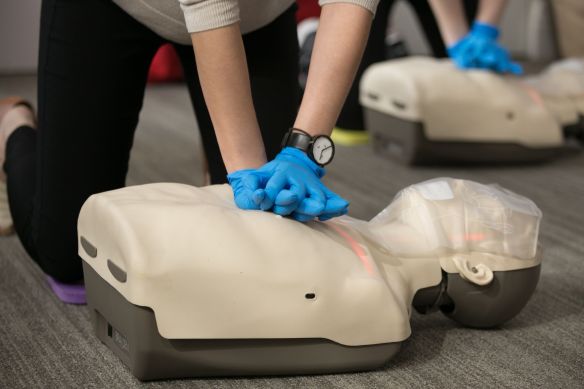
- Learn First Aid and CPR/AED skills so you’ll have the knowledge and skills to act in an emergency until help arrives. Take a class (redcross.org/takeaclass), download the free Red Cross First Aid app and open the Red Cross First Aid Skill for Amazon Alexa-enabled devices.
- Go to redcross.org/watersafety for a variety of water safety resources and courses. Download the free Red Cross Swim app.

- Give blood. The number of people donating blood often drops during the summer when people are on vacation and schools are closed. Visit redcrossblood.org, download the Red Cross Blood app, or enable the Red Cross Blood Skill for more information or to schedule your donation.

Edited by Glenda Bogar, American Red Cross volunteer
 the American Red Cross wants to make sure your student is safe as they head back to school for the upcoming year.
 children should use car seats or booster seats until the lap-shoulder belt fits properly (typically for children ages 8-12 and over 4’9”), and ride in the back seat until they are at least 13 years old.
 yellow and red bus signals mean. Yellow flashing lights indicate the bus is getting ready to stop and motorists should slow down and be prepared to stop. Red flashing lights and an extended stop sign indicate the bus is stopped and children are getting on or off.
 PREPARE FOR EMERGENCIES


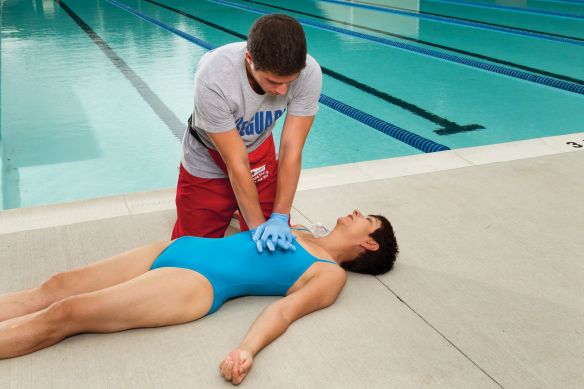

 enjoy the many natural water resources Northeast Ohio is fortunate to have, from magnificent Lake Erie and its islands, to the beautiful Cuyahoga River. In the Akron area, thousands enjoy boating, swimming and water skiing on the Portage Lakes in additional to local ponds, lakes and pools. It is crucial that adults and children are committed to water safety and take precautions as they prepare for a summer of water fun.
 of the ongoing drowning pandemic in the United States and around the world, and educate people to be safe in and around water. Among preventable injuries, drowning is the leading cause of death for children one to four years old. But people of all ages can drown in all kinds of situations.
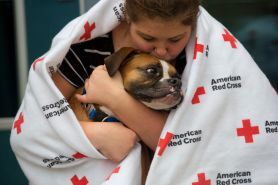
 member in an emergency. But first aid for your pet? It may not be something you think about until you find your dog ate that dark chocolate bar you left out on the counter. Or your bug-swatting cat got stung by the bee he was playing with.
 their own pace. It takes approximately 30 minutes to complete the course. Participants can stop and pick up where they left off if the course can’t be completed in one sitting. The interactive course includes:
 veterinarian or animal poison control expert before giving to your pet), ice pack, disposable gloves, blunt end scissors, tweezers, antibiotic ointment, oral syringe or turkey baster, liquid dish washing detergent (for bathing), towels, flashlight, alcohol wipes and artificial tear gel.
 With wind chill this weekend potentially being as low as -30 degrees, homes all across Northeast Ohio will certainly have their heating sources working to their full potential. While it is nice to be warm and cozy inside of our homes, it is also important to heat our homes safely.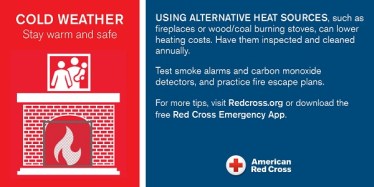
 You can also download the Red Cross Emergency App for instant access to weather alerts for their area and where loved ones live. Expert medical guidance and a hospital locator are included in the First Aid App in case travelers encounter any mishaps. Both apps and more are available to download for free in app stores or at
  to prevent a blood shortage from continuing throughout winter and affecting patient care. The Red Cross collected more than 27,000 fewer blood and platelet donations the weeks of Christmas and New Year’s than needed to sustain a sufficient blood supply, as busy holiday schedules kept many donors away.
 your mind, please consider volunteering with the American Red Cross. Even if you can only commit to a few hours a week or a month, there’s a way for you to make a difference. Visit
  reading this, chances are you are already well aware that the American Red Cross is the preeminent organization for helping to prevent and alleviate human suffering in this country.
 While winter weather in Northeast Ohio can be unpredictable, the one thing you can expect is that it will bring headaches. Blizzards, freezing cold, Nor’easters and ice storms can all have significant impacts on travel, schools, businesses and health. They can even impact our homes.
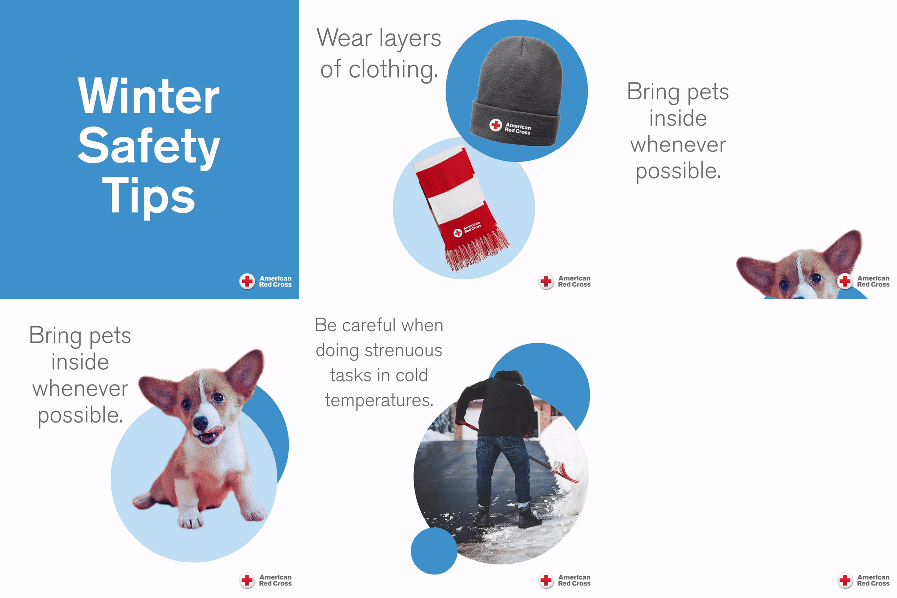 Prepare your home
 Be sure to download and use the American Red Cross
  NOHredcross