By Ifat Gazia, American Red Cross volunteer
Since 2012, September 5 has been designated International Day of Charity. This day coincides with the date of Mother Teresa’s death. She was a humanitarian and philanthropist who was awarded a Noble Peace Prize in 1979 for her work in India to fight poverty, help orphans and fight other humanitarian crises across the nation.
Poverty is a global phenomenon. It has existed in the most powerful nations to the most underdeveloped countries of the world since the beginning of history. Therefore, eradicating poverty in all its forms is a worldwide challenge. The purpose of International Day of Charity is to raise awareness and provide a platform to organizations and philanthropists who perform charity-related activities on a national or international level. By spotlighting critical needs, this international observance also encourages people to donate to charitable causes that provide lifesaving support, housing, food, education, child protection and safety to millions of people around the globe.
 Every year, the American Red Cross responds to about 64,000 disaster emergencies across the United States. This vital help is only possible due to the generous donations of individuals and the amazing efforts of Red Cross volunteers who give their time and talents. The blood donated by people through the Red Cross is truly lifesaving and sustains patients in need. It’s worthwhile to mention that the selfless work that volunteers do in such organizations is a noble form of charity. This not only offers great social bonding opportunities but also contributes to the creation of more inclusive communities.
The donations made to different philanthropic organizations can help conserve cultural and natural heritages, save wildlife and promote the rights of marginalized people. Charitable giving also simply spreads a message of humanity in areas of trouble and conflict.
To donate to the Red Cross in observance of International Day of Charity (or on any day of the year) or to volunteer your time to help its lifesaving mission, visit www.redcross.org.

 local shelters, emergency first aid instructions and weather-related specifics. Download them to your phone now in case your wireless goes out later.


 Some like it HOT.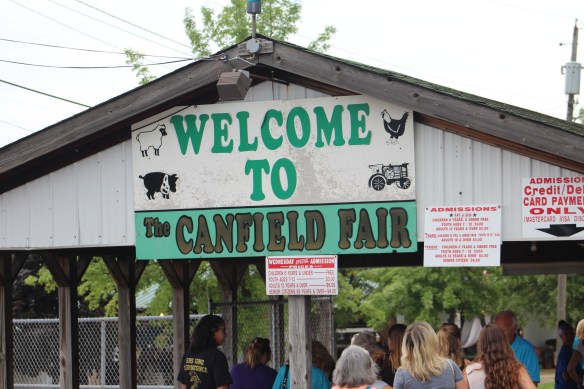
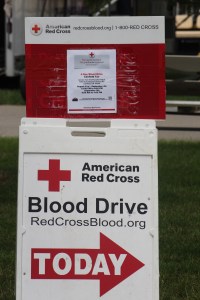 For decades, the Red Cross has played an important role at the fair. Each day the blood mobile is there collecting lifesaving blood. In the medical building, board members and volunteers staff our booth, where we pass out smoke alarm application forms. We work in three-hour shifts. Most help at our booth, then take in the sights, sounds and, of course, the food. Our volunteers get free tickets to the fair! We may have some shifts available.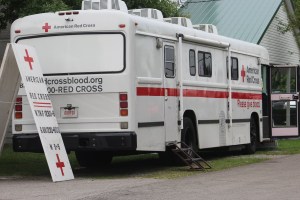
 the fair that 20 years ago, the Canfield Fair Board constructed a Red Cross building, where onsite care is provided. They also built a secondary site on the opposite side of the fairgrounds. Certified Red Cross volunteers help scribe (keep records) and do minor triage for fair injuries that are overseen by a doctor. EMS plays a part, transporting the injured via golf carts to immediate help. Ambulances (and even a helicopter) are a call away if needed. Historically, the most frequent fair injuries have been bee stings, animal bites and blisters. So if you attend, wear comfortable shoes, don’t stick your hands in the animals’ stalls and do eat lots of yummy fair food. Who cares about the calories?
 It was hot and ridiculously muggy.