Psychologist Deploys to California to Assist Wildfire Victims

His expertise with PTSD counselling helped residents cope with losses

edgardo photo (2)

Disaster Mental Health volunteer Edgardo Padin

Edgardo Padin is a clinical psychologist who helps treat veterans in the Northeast Ohio VA Healthcare System. This experience made him a valuable member of the volunteer team that responded to the wildfires in California this summer.

This was Ed’s first deployment as an American Red Cross disaster mental health worker. He wasn’t quite sure what his role would be, as he explained in an interview recorded shortly before he left for California.

Shortly after arriving, Ed found himself in a Red Cross shelter, counseling people who had just lost their homes and all of their belongings.

“I did a lot of talking to people,” he said. “I calmed them down and gave them some idea of what was happening by showing them how the fire was going on my iPad. Information was really important to them.”

Ed said that while he did provide a lot of mental health services, it wasn’t the only thing he did during his 10-day deployment.

“We had a Norovirus outbreak that we just had to work at and maintain so that it wouldn’t spread throughout the entire shelter,” he explained. “We collaborated with the University of Santa Cruz, which sent EMTs to help us. They worked 24-hour shifts just like we did.”

Emily Probst, the Regional Workforce Engagement Manager of the Red Cross Northeast Ohio Region, said Ed’s skills made him a very valuable volunteer.

“We are so thankful that Ed offered his immense expertise to help people affected by this crisis,” she said. “I have no doubt his work in California made a difference in the lives of the people he touched.”

Volunteers are needed every day to respond to local disasters like home fires and to deploy to wildfires, hurricanes and other national disasters. Visit redcross.org/neo and click on Volunteers at the top of the page to volunteer to help people in need.

In an interview upon his return, Ed said his first deployment as a Red Cross volunteer was a gratifying experience. “In the end, I felt like I did something that was wonderful. I did something that was helpful. It was a great adventure, and I certainly would do it again.”
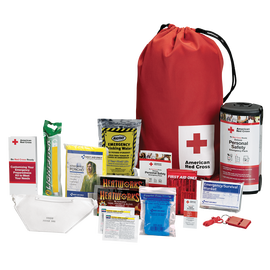

 

September is National Preparedness Month

By Doug Bardwell, American Red Cross volunteer and Disaster Action Team member

One of the most often heard phrases during and after a disaster is “If I had only thought to (insert any of the following suggestions), I wouldn’t be in this mess now.” This is known as the “could of – should of” syndrome. You knew you could have prepared. You knew you should have prepared. But you didn’t.

Well, this September is your chance to get it done. The American Red Cross offers some helpful tips. All you need to do is follow through.

As we consider all the natural disasters that could strike, there are some basics that will apply across the board to hurricanes, floods, tornadoes, wildfires, etc.

  • Don’t wait until the day of a disaster to think about what to pack. Be prepared if you need to evacuate. Make a list of “must have” items right now and keep it somewhere handy.
    1. Have a family plan for a meeting place in case some family members are not home when you have to evacuate. In case someone comes looking for you, leave written instructions in the home as to where you went.first aid kit
    1. Pack enough for 72 hours at least. Pack the following items in an easy-to-carry container: a gallon of water per person, per day; non-perishable food; flashlight and hand-crank or battery-powered radio; extra batteries; sanitation and personal hygiene items; copies of important papers; extra cash; and any medical or baby supplies family members may need. Plan for your pets as well. Additional suggestions here. Even more suggestions here.
    1. Fill your car with gas. Never let it go below a half tank when threatening weather exists.
    1. Pay attention to officials and evacuate when suggested. Those who linger are the ones who find themselves in trouble.
  • The American Red Cross has multiple apps for iOS and Android with directions to mobile-apps-emergencylocal shelters, emergency first aid instructions and weather-related specifics. Download them to your phone now in case your wireless goes out later.
  • Simulate an emergency some weekend. Make sure your “Go Kit” fits in the car and spend a night away somewhere. Make a list of those things you wish you had included.
  • When you get home, make the changes and you’ll be ready in the event an emergency occurs.
  • Share your experience with other family and friends who don’t live with you.

Congratulations! You’ve just avoided the “could of – should of” syndrome and your family will be ready should an emergency strike.

Having worked in many emergency shelters, I know that those who were prepared are much better able to deal with the inconvenience of leaving their homes. Forgetting your wallet, your glasses or your medications just make the experience twice as stressful.

To learn more about how the Red Cross helps in emergencies, see these local and national articles. After you learn all that Red Cross does, hopefully you’ll want to make a donation.

Pillowcase Project Aimed at Preparing Kids for Emergencies

Inspired by Hurricane Katrina experience 13 years ago

By Sue Wilson, American Red Cross Board Member and Volunteer Partner

In late August, 2005, Hurricane Katrina swept through the Gulf Coast causing catastrophic damage from Central Florida to Eastern Texas. Especially devastated was the city of New Orleans, when the storm made landfall on August 29, and the protection levees failed, flooding almost 80 percent of the city and the surrounding parishes. Out of the many stories of sadness and loss came stories of heroism and survival. It is from the latter that The Pillowcase Project was born.

IMG_3353

John Gareis, Regional Preparedness Manager, teaching the children of employees of the VA Northeast Ohio Healthcare System during a Pillowcase Project presentation.    Photo credit:  Mary Williams/American Red Cross

The Pillowcase Project was created by the American Red Cross in Southeast Louisiana following Hurricane Katrina when Kay Wilkins, Southeast Louisiana regional executive, had learned that Loyola University students carried their valuables in pillowcases when they were evacuated for Katrina. This inspired Kay and her team to work with an art therapist to create a program in which children living in makeshift communities across New Orleans decorated pillowcases as emergency supplies kits.

Students decorate their pillowcases.

Soon, The Pillowcase Project became a preparedness education program for elementary school students. In just a few years, it was adapted and implemented by several other Red Cross chapters with substantial success. Here in Northeast Ohio, the Red Cross taught nearly 4,500 students preparedness last year through the program.

The goal of the project is to help create a generation of children who understand the science of hazards, are empowered to take action preparing for emergencies, and are excited to help create a prepared community by sharing what they have learned with family and friends.

Students who participate in The Pillowcase Project will be able to:

• Identify the best ways to stay safe during emergencies that can occur in their communities.

• Identify the best ways to prevent and stay safe during a home fire.

• Use coping skills to help manage stress during emergencies and in everyday situations.

• Gain confidence in their abilities to be prepared for emergencies through hands-on activities.

• Use their knowledge to act as advocates for emergency preparedness in their homes and communities.

• Discuss the role science plays in emergency preparedness.

• Understand and communicate the work of the Red Cross in their communities.

IMG_3893


In addition to The Pillowcase Project, the Red Cross has teamed up with Disney to develop the Mickey and Friends Disaster Preparedness Activity Book, which has been distributed to more than 300,000 youth nationwide. The book teaches kids and families how to prepare for and respond to a wide range of disasters and emergencies through interactive games and activities. The book is available to download in English and Spanish.

Disney also sponsored the creation of Monster Guard – the first mobile app created by the Red Cross designed specifically for kids. The app complements The Pillowcase Project, and is a game where children role-play as various monster characters and engage in interactive training episodes for hazards such as home fires, floods and hurricanes.

To learn more about The Pillowcase Project and register your school to participate, visit our Resources for Schools page and scroll down for information.

Some like it HOT, 3 Ways to Stay Safe in this Week’s Heat

summer-heatSome like it HOT.

But with this week’s toasty Northeast Ohio temperatures, it’s important that you keep three key things in mind to beat the heat: stay cool, stay hydrated and stay informed. And don’t forget about your friends and neighbors, check on those most at-risk at least twice a day.

Stay Cool

  1. Stay in air-conditioned buildings as much as possible.
  2. Do not rely on a fan as your primary cooling device.

Stay Hydrated

Your body may sweat more in these temps, which means you will be losing fluids.

  1. Drink more water than usual.
  2. Don’t wait until you’re thirsty to drink more fluids.
  3. Avoid alcohol or liquids containing high amounts of sugar.

Stay Informed

Download the free Red Cross First Aid app to learn more about how to treat heat related illnesses – like heat cramps or heat stroke.

For more information on at-risk populations, check out the Centers for Disease Control and Prevention’s website: http://www.cdc.gov/extremeheat/


Festive Canfield Fair Offers Volunteers Opportunities and Fun

By Karen Conklin, Executive Director of the American Red Cross Lake to River Chapter
Photos by Mary Williams/American Red Cross

IMG_1618 (1)

Who remembers the Lennon Sisters? How about Journey? “Don’t stop believing!” Are you a Band Perry fan? Do you enjoy Toby Keith? These artists have all entertained at the Canfield Fair! Toby Keith will once again perform on Sept. 3 at this year’s fair.

The Canfield Fair (Mahoning County) is the largest county fair in Ohio. More than 350,000 visitors will come through the gates from Aug. 29 through Labor Day. At the Lake to River Chapter of the American Red Cross, the Canfield Fair is a big deal. We’ve been smelling those french fries and hot sausage sandwiches for weeks. Over 437 vendors participate in the fair and, by the way, parking is always free.

IMG_1654For decades, the Red Cross has played an important role at the fair. Each day the blood mobile is there collecting lifesaving blood. In the medical building, board members and volunteers staff our booth, where we pass out smoke alarm application forms. We work in three-hour shifts. Most help at our booth, then take in the sights, sounds and, of course, the food. Our volunteers get free tickets to the fair! We may have some shifts available.IMG_1681
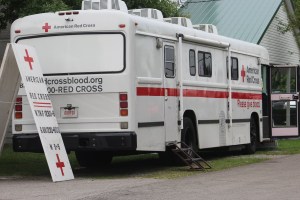
Another important service we provide—and have been for the past half-century—is the first aid station. This is such an important part of IMG_1626the fair that 20 years ago, the Canfield Fair Board constructed a Red Cross building, where onsite care is provided. They also built a secondary site on the opposite side of the fairgrounds. Certified Red Cross volunteers help scribe (keep records)  and do minor triage for fair injuries that are overseen by a doctor. EMS plays a part, transporting the injured via golf carts to immediate help. Ambulances (and even a helicopter) are a call away if needed. Historically, the most frequent fair injuries have been bee stings, animal bites and blisters. So if you attend, wear comfortable shoes, don’t stick your hands in the animals’ stalls and do eat lots of yummy fair food. Who cares about the calories?

IMG_1625

Since 1846 the Canfield Fair has been serving up fun times and great memories. If you are interested in volunteering, call our office at 330-392-2551 and ask for Vickie. If you’re not yet a volunteer, visit our website and click the “Volunteer” tab at the top of the page to start the process.

First Anniversary of Hurricane Harvey

By: Mary Williams, American Red Cross

Hurricane Harvey 2017It was hot and ridiculously muggy.

And that was inside, with the A/C blasting.

The location? Houston, TX just a few weeks after Hurricane Harvey dumped over 33 trillion gallons of water on the city.

I was sitting under a cot inside the George R. Brown Convention Center, playing Batman with a small boy just a few months younger than my own son back home in Ohio. His parents were talking to a reporter from Belgium, who had traveled from where he was stationed in Canada. His father, an Air Force veteran, was talking about the repairs he had just completed on their rental home.

He paused.

“That was just my last day off before the storm.”

At that time, life had come to be measured in before and after.

For some, life continues to be measured that way.

Hurricane Harvey 2017

Buildings, communities and lives that were built over decades were destroyed in just a few terrible days by Harvey, and rebuilding will be neither quick nor easy. It will take time for people to heal, rebuild and recover, and the Red Cross continues to work to bring that day closer. We are one of many partners supporting the federal and state-managed recovery program.

Houston2

Watch this video, featuring three residents who are trying to recover from the losses caused by the storm.

The Red Cross has spent, or has made commitments to spend more than $400 million on emergency relief and recovery assistance for families affected by Hurricane Harvey, and anticipates committing about $120 million more in donated dollars to to support individuals and families needing additional help, as well as to provide longer-term recovery services in affected communities. And, 91 cents of every dollar received for Hurricane Harvey will be spent on our services to people affected by Hurricane Harvey.

Through the generosity of our donors, the Red Cross will be providing this assistance to those in greatest need, and there is no obligation or requirement to pay it back at any time.

Additionally, the Red Cross will help support a network of non-profit partners that have expertise in recovery services. Through a grant system, we aim to help households across all the damaged counties address the range of recovery needs. The Red Cross will support the provision of housing repair and rebuilding services to help thousands of households still living in temporary housing. Also, we will likely support behavioral health services across the affected counties, with a focus on the needs of children and youth suffering from multiple housing and school transitions, as well as the uncertainty about returning home. In addition, the Red Cross may help to fund other recovery services such as Long-Term Recovery Committees, financial counseling and programs aimed at helping people with disabilities, the elderly and underserved, low-income communities.

Hurricane Harvey 2017

To help people affected by disaster big and small visit redcross.org/donate.

Flood Safety Tips Timely as Casework Continues in Boardman

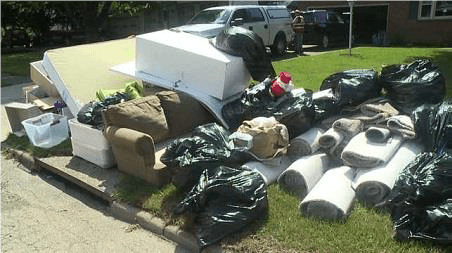
BOARDMAN, Ohio – In the 10 days since torrential rains caused localized flooding in this Mahoning County community, American Red Cross workers have helped 115 residents with immediate financial assistance.  And the disaster responders continue reaching out to residents in the area who may have been affected by the unexpected flood waters.

boardman flooding2

Three dozen cases have been opened so far, with a total of $12,788 dollars committed to help residents clean-up their homes and make them livable again.  More than two dozen cleaning kits, containing mops, brooms, bleach and other cleaning supplies have been distributed.

boardman flooding 3

Photo credit:  Kristen Gallagher/American Red Cross

“Most use the money we offer them to buy additional cleaning supplies,” said Renee Palagyi, Senior Regional Disaster Program Manager for the Red Cross of Northeast Ohio. “Some pay for laundry services, for steam-cleaning upholstery, that kind of thing,” she said.

Like most Northeast Ohioans, Renee encountered heavy rain on her ride into work Tuesday morning.  With the damage done by the flooding in Boardman in mind, she shared flood safety information with the rest of the Regional staff in her daily report.

Staying Safe Indoors

  • Turn off the power and water mains if instructed to do so by local authorities.
  • Boil tap water until water sources have been declared safe.
  • Avoid contact with floodwater. It may be contaminated with sewage or contain dangerous insects or animals.
  • Continue listening to local area radio, NOAA radio or TV stations for the latest information and updates.
  • Don’t use gas or electrical appliances that have been flooded.
  • Dispose of any food that comes into contact with flood water .


Staying Safe Outdoors

  • Don’t walk, swim or drive through floodwater. Just six inches of fast-flowing water can knock you over and two feet will float a car.
  • If caught on a flooded road with rapidly rising waters, get out of the car quickly and move to higher ground.

    image

  • Don’t walk on beaches or riverbanks.
  • Don’t allow children to play in or near flood water.
  • Avoid contact with floodwater. It may be contaminated with sewage or contain dangerous insects or animals.
  • Stay out of areas subject to flooding. Underpasses, dips, low spots, canyons, washes, etc. can become filled with water.

“I think everyone needs a reminder to follow the tips the Red Cross espouses,” she said. “It’s too easy to think we’re invulnerable, and we’re not.”

Back to School Safety Tips

By Sue Wilson, American Red Cross Board Member and Volunteer Partner

back to school conceptual creativity cube

Photo by Pixabay on Pexels.com

Summer vacation for students around the country is drawing to a close as the nation’s schools prepare to open their doors for the new school year. Some students have already returned to the classroom.  Here are some safety steps from the American Red Cross to make the new school year a safe one.

Keeping all students safe is the primary concern for everyone, but there are special steps for parents of younger kids and those going to school for the first time:

  • Make sure the child knows their phone number, address, how to get in touch with their parents at work, how to get in touch with another trusted adult and how to dial 9-1-1.
  • Teach children not to talk to strangers or accept rides from someone they don’t know.

SCHOOL BUS SAFETY

  • If children ride a bus to school, they should plan to get to their bus stop early and stand away from the curb while waiting for the bus to arrive.
  • Board the bus only after it has come to a complete stop and the driver or attendant has instructed you to get on.
  • Only board your bus, never an alternate one.
  • Always stay in clear view of the bus driver and never walk behind the bus.
  • Cross the street at the corner, obeying traffic signals and staying in the crosswalk.
  • Never dart out into the street or cross between parked cars.

GETTING TO SCHOOL BY CAR, BIKE, ON FOOT

  • If children ride in a car to get to school, they should always wear a seat belt. Younger children should use car seats or booster seats until the lap-shoulder belt fits properly (typically for children ages 8-12 and over 4’9”), and ride in the back seat until they are at least 13 years old.
  • If a teenager is going to drive to school, parents should mandate that they use seat belts. Drivers should not use their cell phone to text or make calls, and should avoid eating or drinking while driving.
  • Some students ride their bike to school. They should always wear a helmet and ride on the right in the same direction as the traffic is going.
  • When children are walking to school, they should only cross the street at an intersection, and use a route along which the school has placed crossing guards. Parents should walk young children to school, along with children taking new routes or attending new schools, at least for the first week to ensure they know how to get there safely. Arrange for the kids to walk to school with a friend or classmate.

DRIVERS, SLOW DOWN!

Drivers should be aware that children are out walking or biking to school and slow down, especially in residential areas and school zones. Motorists should know what the yellow and red bus signals mean. Yellow flashing lights indicate the bus is getting ready to stop and motorists should slow down and be prepared to stop. Red flashing lights and an extended stop sign indicate the bus is stopped and children are getting on or off. Drivers in both directions must stop their vehicles and wait until the lights go off, the stop sign is back in place and the bus is moving before they can start driving again.

PREPARE FOR EMERGENCIES AND TAKE A FIRST AID CLASS

Know what the emergency plan is at your child’s school in case a disaster or an unforeseen event occurs. Develop a family emergency plan so everyone will know who to contact and where to go if something happens while children are at school and parents are at work. Details are available at redcross.org/prepare. The Red Cross First Aid App provides instant access to information on handling the most common first aid emergencies whether it be before, during or after school. Download the app for free by searching for ‘American Red Cross’ in your app store or at redcross.org/apps. Learn and practice First Aid and CPR/AED skills by taking a course (redcross.org/takeaclass) so you can help save a life.

World Humanitarian Day Draws Attention to #NotATarget Movement

By Ifat Gazia, American Red Cross volunteer

The list of civilian killings around the world continues to grow. At least 51 people were killed last week in Yemen when an  airstrike claimed lives of 40 school children and 11 other people. In Syria, 500,000 civilians have been killed in the last seven years and the Syrian Red Crescent has lost more than 60 of its team members to violence since the crisis began. More than 14,000 civilians lost their lives in the ongoing Kashmir conflict.

This is World Humanitarian Day,  meant to pay tribute to aid workers who risk their lives in humanitarian service and to rally support for people impacted by crises around the world. The #NotATarget movement asks world leaders to do everything in their power to protect all civilians caught in conflict zones worldwide.

Although civilians are protected under International Humanitarian Law, every year, thousands of innocent people – children, young, old, men, women, physically challenged, migrants, refugees, aid workers, doctors, journalists and others who work or live in conflict zones lose their lives to the violence.

On this World Humanitarian Day, let’s take a moment and commemorate the daily struggles of these civilians who live or work in war torn areas. Armed conflict affects lives in many ways and leaves long term effects on the victims of war, especially children.

The International Committee of the Red Cross (ICRC) protects the lives and dignity of victims of war, and provides them with aid.  Therefore, on this Humanitarian Day let’s campaign together and make sure that civilians are #NotATarget for political instabilities and armed conflicts. Let’s ensure organizations like the International Committee of the Red Cross—and the local Red Cross and Red Crescent societies that work alongside them—are freely allowed to operate with their aid operations in conflict-ridden areas, and that rules of war are followed, especially not to bomb hospitals and schools, kill innocent children and hamper or stop aid operations.


Retired Firefighter Leads Red Cross Pro Football Hall of Fame Effort

By Glenda Bogar, American Red Cross volunteer

Every year, Canton, Ohio, rolls out the red carpet—and the gold jackets—as it hosts events celebrating gridiron greats and long-time legends being inducted into the Pro Football Hall of Fame. And each year, the American Red Cross is part of the action as it provides first aid services throughout the two-week festivities.

Retired Canton City Fire Department Firefighter and Red Cross Volunteer Chuck Goldy acts as head coach for the Red Cross’ Pro Football Hall of Fame coverage. He has coordinated the effort and called the plays for six years.

“When I retired, I decided that I’ve been blessed all my career, and I wanted to continue to give back,” explained Chuck. “Now that I’m not working, I can plan and do more.”

IMG_4741

Chuck Goldy and Kim Kroh

“Red Cross relies on our volunteers each and every day in fulfilling our mission, and the Hall of Fame events are no exception,” said Kimberly Kroh, executive director of the Stark and Muskingum Lakes Chapter. “Chuck is a dedicated Red Cross volunteer and leads the Hall of Fame events every year, spending dozens of hours before, during and after these events. His dedication is inspiring to me and is also why working side by side with volunteers is the best part of my job.”  See the video with Kim and Chuck, recorded after the 2016 Hall of Fame events here.

This year, the Red Cross staffed five Pro Football Hall of Fame events. It provided first aid stations as well as hydration and cooling stations.

First aid stations are staffed by those certified in CPR/AED who are trained to respond to breathing and cardiac emergencies. At hydration and cooling stations, Red Cross volunteers distribute water and provide cold towels to bring down body temperatures. Volunteers check vital signs and provide cots so individuals can recover if in distress. Equipped with two-way radios tuned in to the Canton City Fire Department channel, volunteers are ready to connect individuals to paramedics on site, if needed.

The 2018 festivities kicked off July 22 with a community parade. It was staffed by 14 Red Cross volunteers who handed out approximately 800 cups of water to parade participants.

On Friday, Aug. 3, a fashion show and luncheon at the Canton Civic Center was staffed by 12 volunteers. That evening, 16 volunteers were on hand for the Enshrinee’s Gold Jacket Dinner, attended by 4,000 guests.  Red Cross workers treated one guest for vertigo issues.

The grand parade was Saturday, Aug. 4, and was staffed by 20 Red Cross volunteers. They distributed about 2,000 cups of water to parade marchers. With temperatures nearing 90 degrees, five individuals were treated for heat-related issues. They were high school band performers who had overheated under their heavy uniforms. After being assessed and cooled down, they were released to their parents and band directors.

Red Cross coverage culminated at the Enshrinee’s Roundtable Luncheon on Sunday, Aug. 5. Twelve volunteers staffed the event.

The Enshrinee’s Roundtable is Chuck’s favorite event.

“I enjoy the Roundtable,” he said. “The guys sit down with a sportscaster from the NFL Network. It gives an opportunity to hear their personal stories. It’s interesting to hear about their background. Some players have big hearts and they share what is meaningful to them and how they were raised. You get a better picture of who they are.”

“I’m not a huge football fan—but this is for Canton,” Chuck explained.

If you’d like to be like Chuck – and more than 1,500 other volunteers in Northeast Ohio, visit redcross.org/neo, and click “Volunteer” at the top of the page to begin the application process.