
A family story of survival
By Liz Aslakson, American Red Cross volunteer
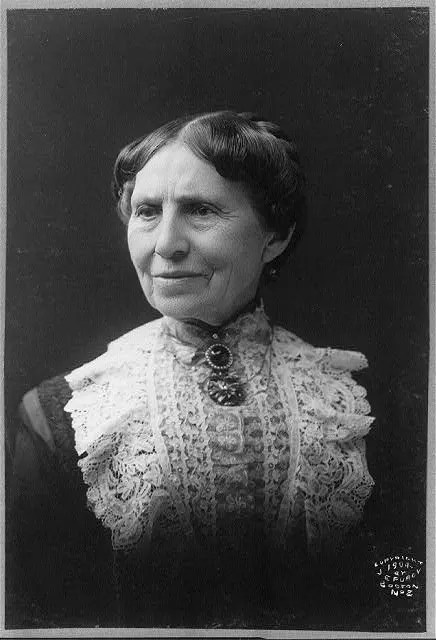
I’ve recently discovered a connection between my family and the Red Cross going back to the Johnstown Flood of May 31,1889 when Clara Barton’s Red Cross became a national life-saving organization whose efforts helped my great grandpa’s survival.
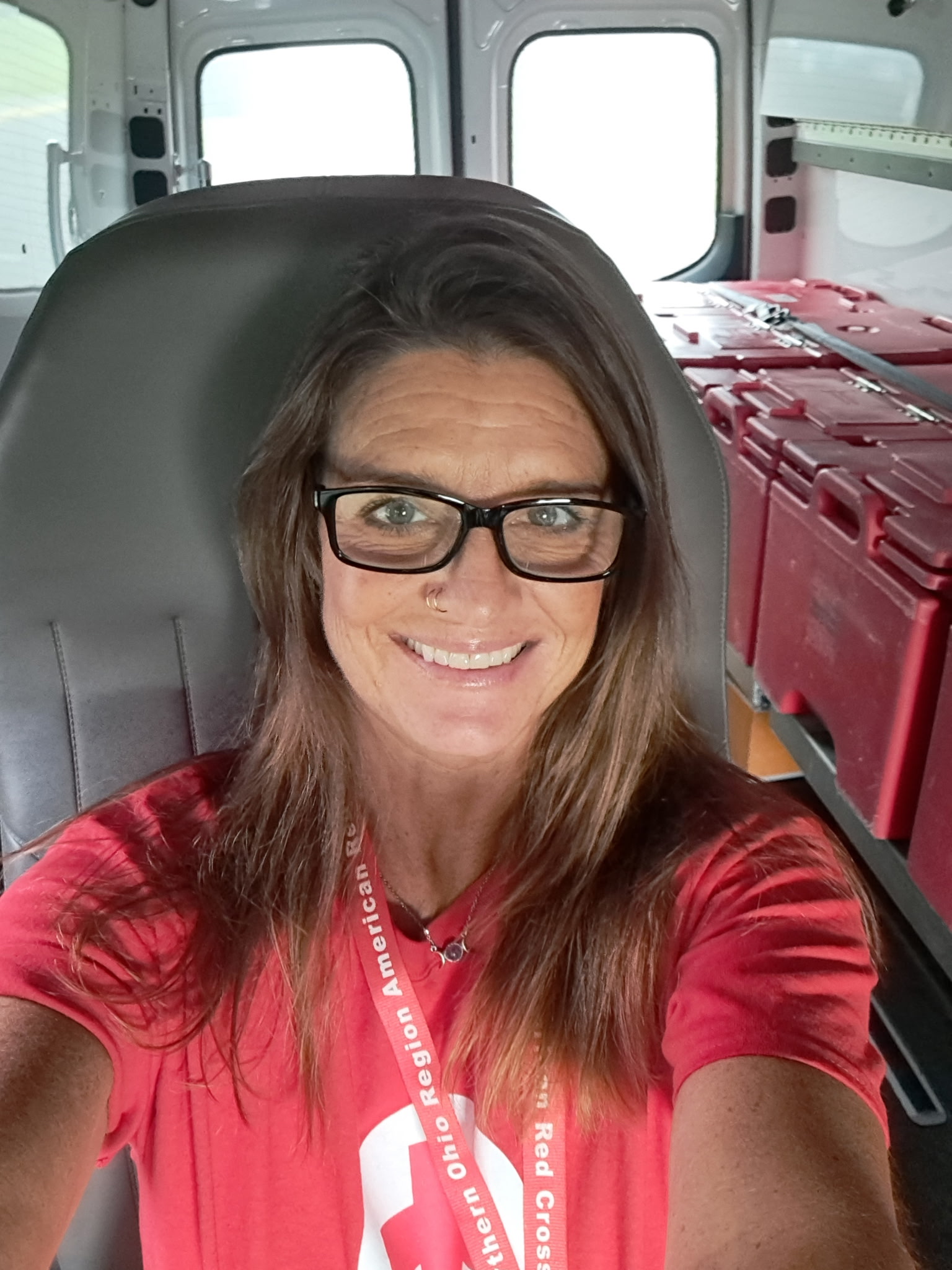
I thought my ties with the Red Cross began when I became a lifeguard at 15. My service continued as a young spouse volunteering at an Army clinic on an infantry base in Vilseck, Germany before becoming a part of the Northern Ohio Chapter when my husband retired.
However, the personal link goes back further and has a more profound impact than I realized. Now that we’ve moved back to my childhood hometown, I’ve had more opportunities to research my family’s roots, especially after inheriting ancestral documents, including a memoir
The family account written by my Great Uncle Andrew described life in Johnstown Pennsylvania at the turn of the 20th century and focused quite a bit on his dad, my Great Grandpa Stefan Furst.
Though I heard family stories as a kid, I had vague notions of the immigrant experience during the turn of the 20th century when relatives from all sides of my family left Czechoslovakia.
Like many migrants from Eastern Europe at the time, they first settled in the Appalachian Mountains outside of Pittsburg in Fayette and Cambria Counties. They worked in the coal mines before moving to Cleveland for better pay and working conditions in factories.
My dad also told us kids his grandpa survived the Johnstown Flood and that his mother, Margaret, grew up under the constant threat of a disaster, as there were more floods after 1889.
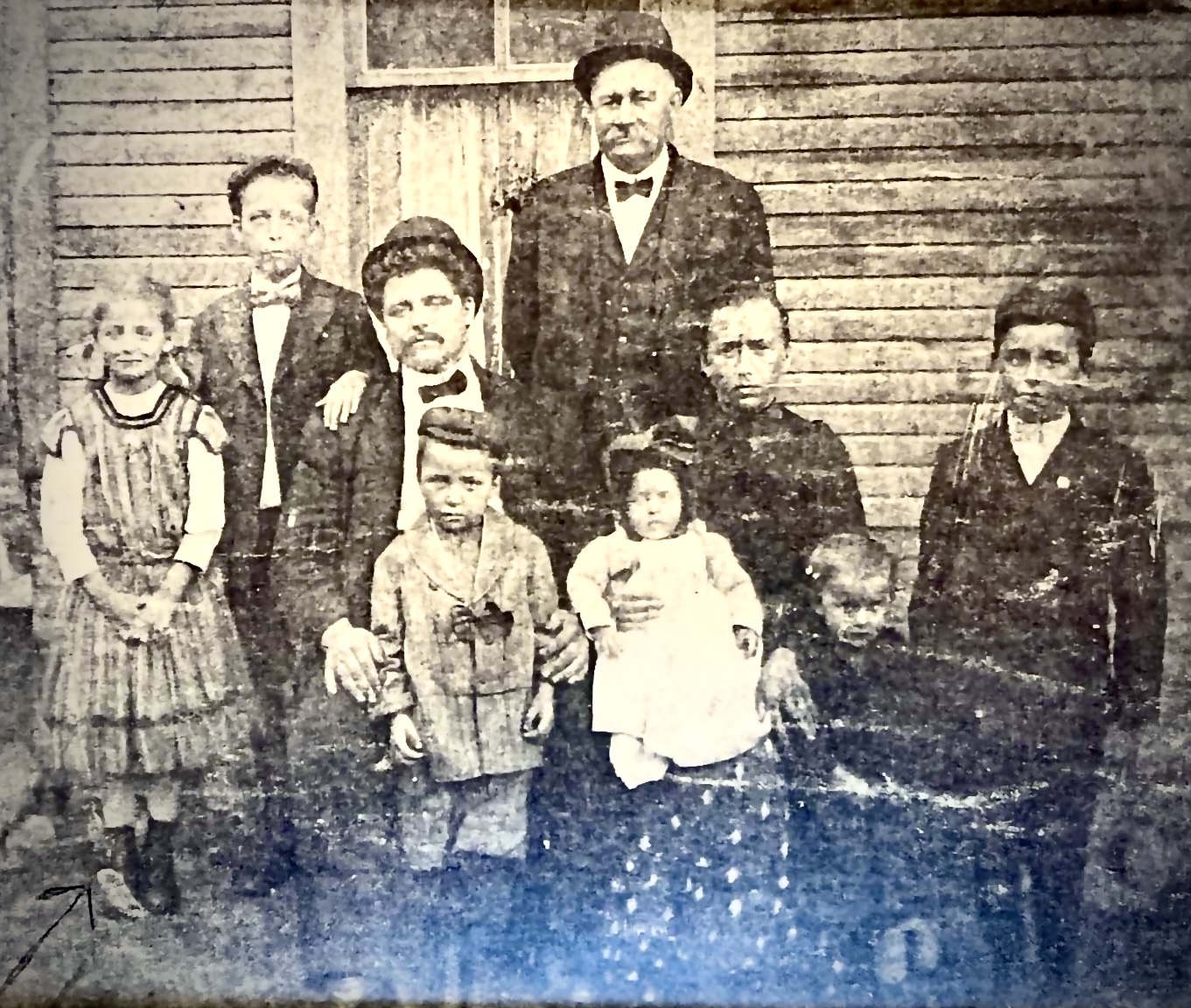
In my continued research online, I found out that my great grandpa arrived from Slovakia in 1884, at age seven. However, I couldn’t find records of parents or siblings that might have come with him. So, this summer I went to Appalachia using the paper trail left to me to uncover more information about where my family first lived in America.
My first stop took me to Uniontown’s history room in Fayette County where a researcher pointed out a chair that Clara Barton had used when helping displaced people after the Johnstown Flood in neighboring Cambria County. Historic rains and the breaking of the poorly maintained South Fork Fishing Dam destroyed the city of 30,000, taking more than 2,200 lives.
The “Angel of the Battlefield” from 25 years earlier during the Civil War was in her D.C. office when she learned of the horrific tragedy. At 67 years old, Clara Barton quickly gathered a team of 50 nurses and doctors, and with a load of supplies, arrived in Johnstown five days later.

The Red Cross remained in Johnstown for six months, providing supplies, temporary shelter, medical care, reuniting families, and finding homes for orphans.
My great grandpa was twelve at the time of the flood. If any other family members were with him, there are no indications of survival –just the account of his dad written by Andrew.
In addition, not only were records destroyed, but in the wake of devastation, “journalists” falsely accused immigrants of looting which resulted in vigilante violence and lynchings. From resources I read like David McCullagh’s book, The Johnstown Flood, detailing the immigrant experience in the flood’s aftermath, I imagine my own remaining relative laid low.
Nevertheless, my great grandpa did make it out alive due to the Red Cross and other relief efforts assisting anyone in need, regardless of their ethnic derivation.
As I stood in the Uniontown library this summer, looking at the chair, it dawned on me that my great grandpa likely stood in front of Clara Barton as she sat on that simple wooden seat, providing him food and shelter as she did for 1000’s of other destitute people after that flood.
In the following years, my great grandpa lived in a neighboring town. But once he turned 18, he moved back to Johnstown when he met his wife, Elizabeth, and they went on to have six kids.
Additionally, though he worked in the coal mines for a few years, the citizens of Cambria County elected my great grandpa constable, often times a lifetime position. He then worked for his community until his sudden death in 1916 at the age of 38.
A couple of years later, my Great Grandma Elizabeth remarried a widower and soon after they moved to Cleveland’s Slavic Village with their children. My Grandma Margaret and Great Uncle Andrew also went on to have their own families, with Andrew living to 100 years old.
Although my great grandpa had a short life, he lived through tremendous change and survived devastation with help from people like Clara Barton.
In sum, though my writing involves historical research, this family project has further opened my eyes to the significance of details and numbers when reading old documents, as well as the relief efforts associated with major tragedies.
I not only understand how the Johnstown Flood became the impetus of the Red Cross becoming an international relief organization but have gained a deeper gratitude for all individual relief efforts 136 years ago as they ensured my family’s survival.
I also feel more fortunate to be part of the organization that saved my great grandpa. From working in that little clinic in Germany as a new Army wife to my hometown of Cleveland as part of the Service to Armed Forces, I’m proud to be a Red Cross volunteer.


 NOHredcross