
By Kathryn Dean, American Red Cross volunteer
Another summer has flown by, and back-to-school is just around the corner! The American Red Cross wants you and your children to stay safe this school year and has compiled this essential back-to-school safety list.
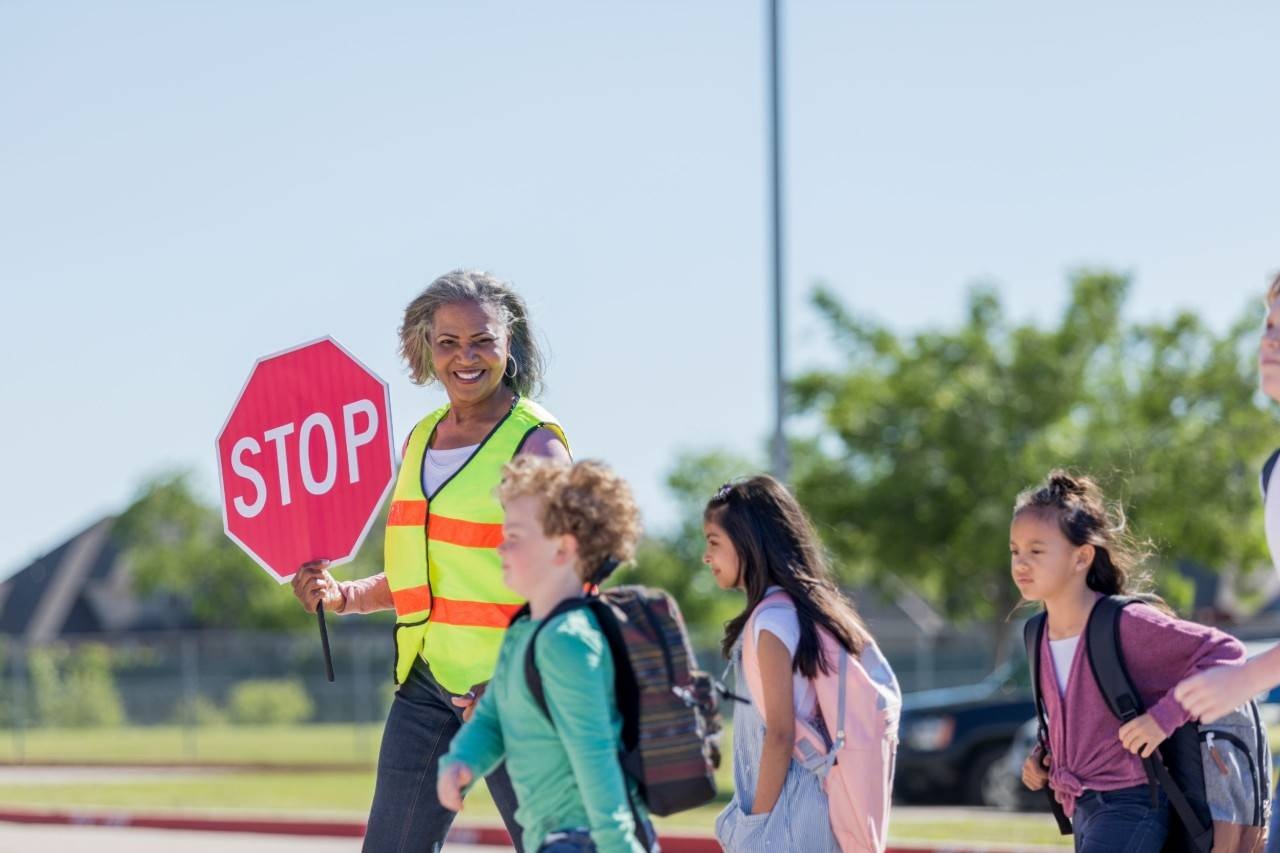
Walking, Biking, and Bus Safety
- Stay Visible: As the days shorten and winter approaches, low light and poor weather can reduce visibility for oncoming traffic. Grey, black, and dark colored outer wear can make students walking or biking to school blend into an already muted background.
- Wear brightly colored clothing or outerwear.
- Ensure backpacks, bikes, and jackets are equipped with reflective material.
- Travel with a buddy or group to stand out more easily.
- At the bus stop, stand back from the road at least five giant steps (about 10 ft).
- Use Crossing Guards and Sidewalks:
- Plan your route to school to utilize sidewalks and crossing guards whenever possible.
- Always wait for the crossing guard’s all-clear signal before attempting to cross.
- Only cross the road at intersections; never shortcut across the middle of a street or between parked cars.
- Stay Safe around the School Building:
- Watch for buses and cars picking up and dropping off students. Never cross in front of a vehicle until you have made eye contact with the driver and they have signaled for you to go.
- Wear a bike helmet and secure your bicycle at an approved rack.
In Case of Emergency
- Memorize Important Contact Information:
- Students should memorize their address and at least one emergency contact’s name and phone number.
- If the child is young or has difficulty remembering, place their name and contact information clearly inside their backpack.
- Children with Medical Concerns:
- Students with serious medical conditions (such as diabetes, epilepsy, or severe allergies) should carry a laminated emergency card in their backpack detailing their name, medical condition, contact info, and basic care instructions.
- A brightly colored medical tag clipped to the backpack or medical alert bracelet can quickly inform bystanders. Smartphones and smartwatches can also be set up with medical alert lock screens.
- Diabetic students should always carry a fast-acting glucose supplement with them (such as tablets, gels, or juice) in case of low blood sugar.
- Ensure school administrators and nurses are aware of medical conditions and keep current instructions and medications on file with the office or clinic.
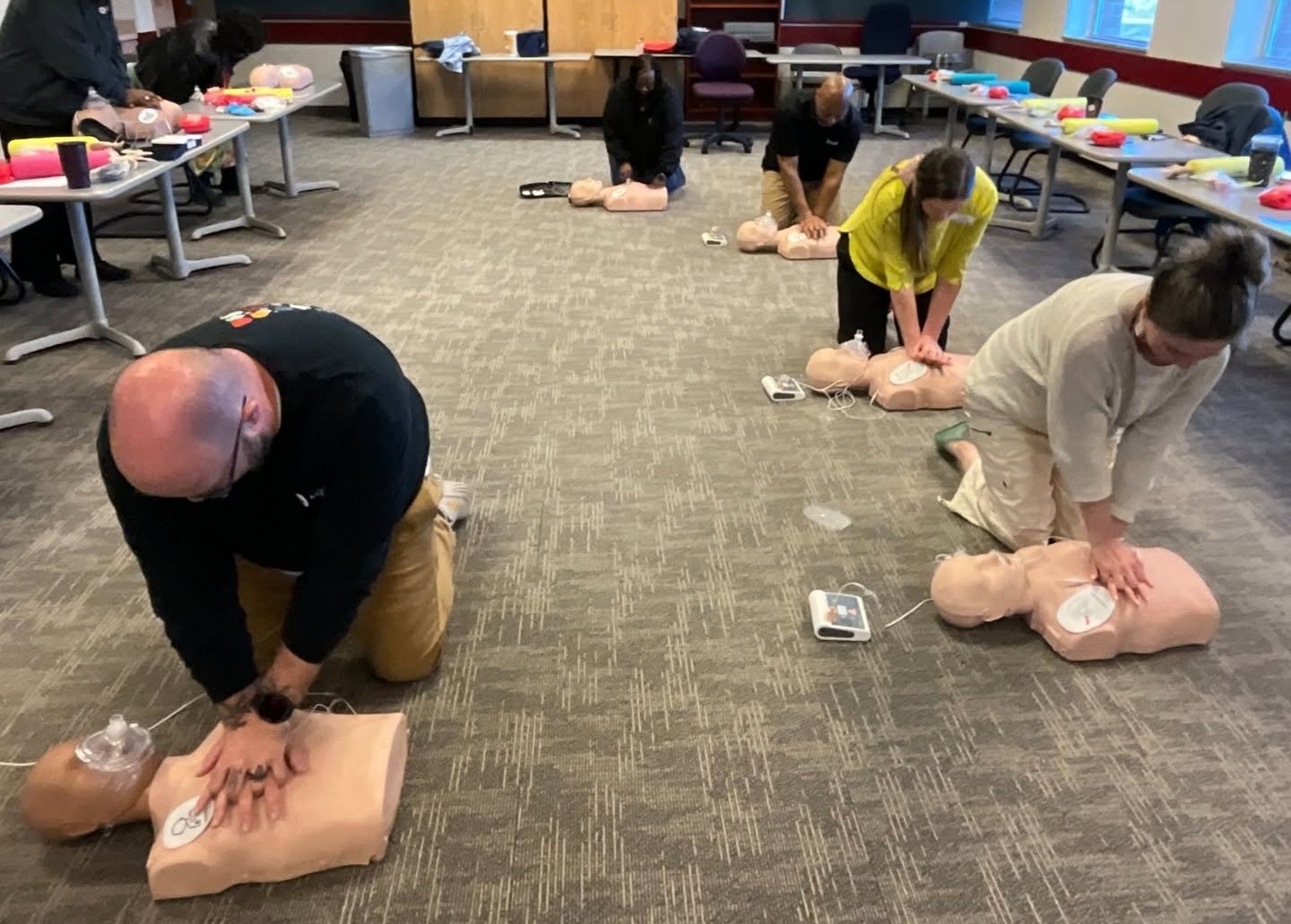
Take an American Red Cross Class
Emergencies can happen anywhere. Parents, teachers, and students can gain confidence by taking an American Red Cross course to learn how to handle critical situations.
- Babysitting Basics: Designed for students ages 11 and up who want to learn essential childcare skills and practice handling common emergencies.
- Lifeguard Training: Students aged 15 years and older can earn certification to work as a lifeguard. Certifications are valid for two years after completion.
- CPR & First Aid – Open to both adults and students looking to master basic first aid and CPR for both home and at school.
To sign up for a course near you, visit redcross.org/take-a-class.

