
By Doug Bardwell, American Red Cross volunteer
With summer approaching, our family’s favorite activity is taking road trips. We are so blessed to be in Northern Ohio since we can find awesome destinations no matter which direction we head.

However, despite all the choices, the one thing I’ve learned is that you need to be prepared for emergencies. The “it won’t happen to me” syndrome is a risky one, and who needs the guilt of knowing better but not taking precautions?
Getting ready
I’m a nut for lists. For years, I’ve been using spreadsheets (either Excel or Google Sheets). I’ll make a master list, and at the end of each trip, I’ll add whatever items that we should have taken. Then when the next road trip comes up, we won’t forget that item a second time. I’ve been keeping them for years, and my lists cover just about anything we could need. We don’t take every item on every trip by any means but at least we forget very, very little.
One item we always pack, and fortunately have only needed a few times, is a First Aid kit. I’ve actually got multiple ones that vary in size for my bike bag, my backpack and the car. While I’ve been a pretty safe person, there have been numerous times we’ve been able to come to the rescue of others, who weren’t quite so prepared.

Another lesson I learned in an American Red Cross Safe Driving course is to adjust your rearview mirrors out farther than most people do. Basically, while sitting behind the steering wheel, lean as far left as comfortable, and then set your left rearview mirror so you can just barely see the left fender of your car. Then lean right as far as comfortable and set your right mirror the same way. That radically improves your chances of not hitting someone in your blind spot. I know it’s saved me at least four times.
Lastly, get enough sleep before you set out on a long road trip. When I haven’t done that, the instant I feel myself getting drowsy, I’ll find a place to pull over and try to take a quick nap. I set my alarm on my watch for 15 minutes, and that’s a perfect time to be refreshed enough to drive another couple of hours. Any longer than 15 minutes is too long (strange sleep science).
For more information
The American Red Cross just issued a 20 Steps to Help You Stay Safe this Summer article for road trips, swimming, backyard grilling and camping. Item number 18 is definitely one that could save your life. Then enroll in a Red Cross first aid and CPR/AED course, either online or in person.
Edited by Glenda Bogar, Red Cross volunteer
Posted by Ryan Lang, Red Cross Board Member and volunteer

 SMOKE ALARM. Smoke alarms should be installed on every level of a home; outside bedrooms on the ceiling or high on the wall, at the top of open stairways and at the bottom of enclosed stairs and near (but not in) the kitchen. It is important to check your Smoke Alarms every month and replace their batteries annually. The life expectancy of ALL smoke alarms is 10 years – the sensors wear out.
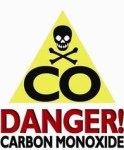 CARBON MONOXIDE ALARM. Carbon Monoxide Alarms should be placed in hallways throughout the home. They should also be placed in recreational vehicles and on boats.
 On the Third Day of Christmas
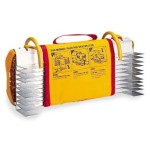 FIRE ESCAPE LADDER. Homes with more than one floor should have at least one Fire Escape Ladder stored on all floors, other than ground level. Store these ladders where they are easily accessible.
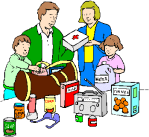 On the Fifth Day of Christmas
 On the Sixth Day of Christmas the Red Cross recommends that you assemble a PET SUPPLIES KIT. Pets enrich the lives of individuals and families in more ways than you can count. In turn they depend on people for their safety and well-being. Having a Pet Disaster Supplies Kit is one of the best ways to care for pets when disaster strikes.
 a WEATHER RADIO. As the voice of the National Weather Service, a Weather Radio provides continuous broadcasts of the latest weather information directly from a National Weather Service Forecast Office. During severe weather routine broadcasting is interrupted and special watch and warning messages are issued.
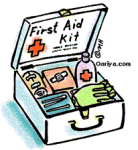 On the Eighth Day of Christmas the Red Cross recommends that you get a FIRST AID KIT. Because the first five minutes of a medical emergency are critical, every individual and family should have a First Aid Kit in their home and vehicle and on your boat.
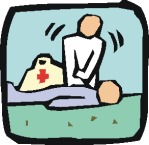 On the Ninth Day of Christmas the Red Cross recommends that you attend FIRST AID AND CPR TRAINING. For more than a century, the Red Cross has been saving lives with Health and Safety Services education programs. A unique idea for a Christmas Stocking would be a Gift Certificate for a First Aid and CPR Training course.
 HOUSE NUMBERS. Each home should have its number posted clearly on the front door, over the doorway, or elsewhere on the front so emergency responders can easily locate it. Lives and property can be saved simply by adequate house numbers where emergency workers can find them as quickly as possible.
 On the Eleventh Day of Christmas the Red Cross recommends that you purchase a FLASHLIGHT. As simple as a Flashlight is, it can become a very important tool during and after disaster strikes. Every Family Disaster Supplies Kit should contain a Flashlight and spare batteries.
 EMERGENCY COMMUNICATION PLAN. Each home should have a list of Emergency Phone Numbers posted near the phone or in the front of a phone book.
 On the First Day of Christmas, the Red Cross recommends that you install a SMOKE ALARM. Smoke alarms should be installed on every level of a home; outside bedrooms on the ceiling or high on the wall, at the top of open stairways and at the bottom of enclosed stairs and near (but not in) the kitchen. It is important to check your Smoke Alarms every month and replace their batteries when Daylight Savings Time begins in the spring and ends in the fall.
 On the Second Day of Christmas, the Red Cross recommends that you install a CARBON MONOXIDE (CO2) ALARM. Carbon Monoxide Alarms should be placed in hallways throughout the home. They should also be placed in recreational vehicles and on boats.
 On the Third Day of Christmas, the Red Cross recommends that you install a FIRE EXTINGUISHER. Install A-B-C type Fire Extinguishers in the home and teach all household members how to use them.
 On the Fourth Day of Christmas, the Red Cross recommends that you install a FIRE ESCAPE LADDER. Homes with more than one floor should have at least one Fire Escape Ladder stored on all floors, other than ground level. Store these ladders where they are easily accessible.
 On the Fifth Day of Christmas, the Red Cross recommends that you assemble a
  On the Sixth Day of Christmas, the Red Cross recommends that you assemble a
  On the Seventh Day of Christmas, the Red Cross recommends that you acquire a WEATHER RADIO. As the voice of the National Weather Service, a Weather Radio provides continuous broadcasts of the latest weather information directly from a National Weather Service Forecast Office. During severe weather routine broadcasting is interrupted and special watch and warning messages are issued.
 On the Eighth Day of Christmas, the Red Cross recommends that you get a
 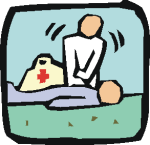 On the Ninth Day of Christmas, the Red Cross recommends that you attend
  On the Tenth Day of Christmas, the Red Cross recommends that you purchase HOUSE NUMBERS. Each home should have its number posted clearly on the front door, over the doorway, or elsewhere on the front so emergency responders can easily locate it. Lives and property can be saved simply by using adequate house numbers placed where emergency workers can find them. You can purchase numbers at your local hardware store.
 On the Eleventh Day of Christmas, the Red Cross recommends that you purchase a FLASHLIGHT. As simple as a Flashlight is, it can become a very important tool to use during and after a disaster. Every family disaster supplies kit should contain a flashlight and spare batteries.
 On the Twelfth Day of Christmas, the Red Cross recommends that you create an
 NOHredcross