
By Eilene Guy, American Red Cross volunteer
The American Red Cross provides some 40 percent of the nation’s blood supply. In the process of collecting, processing and distributing that vital fluid, the Red Cross plays an important role in many facets of community health.
Most of us know someone who’s received a lifesaving blood transfusion during surgery, trauma treatment or cancer care.
We all know that despite medical miracles, there’s no artificial substitute for the real thing: Blood from another living person.
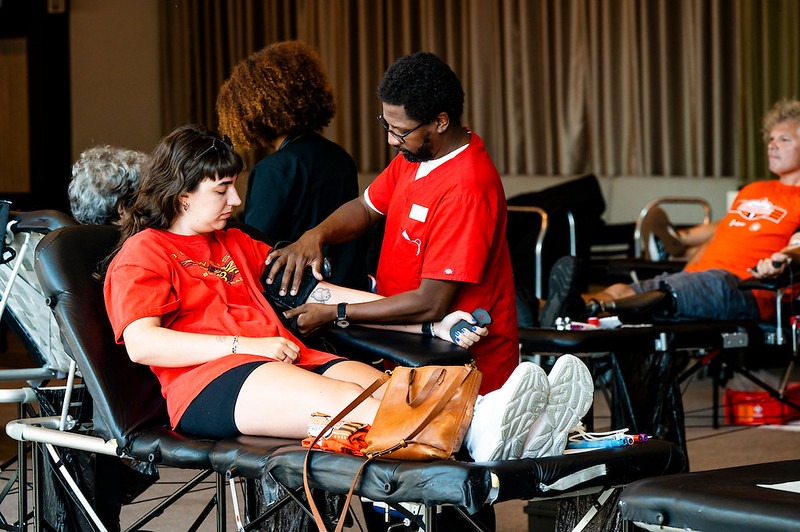
Red Cross phlebotomists who screen us before drawing blood can pick up on blood pressure or iron deficiency issues. Lab professionals who test our blood for infectious diseases and compatibility can also identify pre-diabetes (A1c levels) before symptoms show up, among a host of other conditions.
And, incidentally, later this month is Medical Laboratory Professionals Week, so kudos to our 500 lab techs who keep the blood supply safe and identify the dozens of blood components that make hospital treatments and cell and gene therapies more effective.
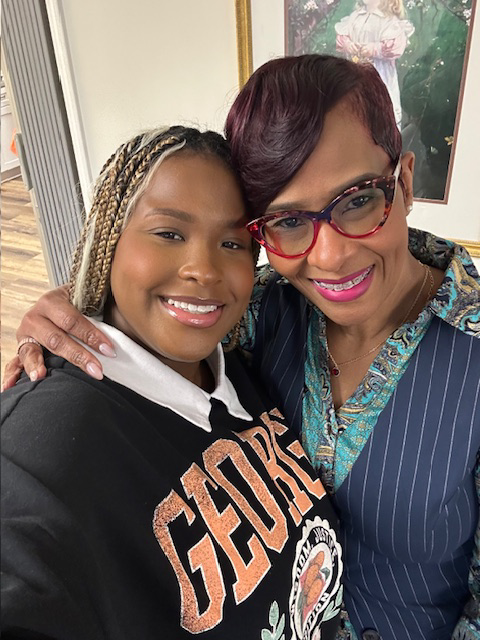
Clevelander Makenzie Nance relies on that expertise. She’s one of more than 100,000 people in the United States living with sickle cell disease (SCD), most – but not all – of them Black or African Americans.
To alleviate acute pain “crises” and forestall organ damage, those sufferers may need as many as 100 units of blood every year – blood that Red Cross technicians process to be sure it has the unique antigens from donors of the same ethnic groups as SCD patients.
Makenzie is a sickle cell warrior who advocates for blood donation while her mom Demeatrice partners with the Red Cross to organize blood drives. “It could be my day today, or it could be your day tomorrow,” Demeatrice says.
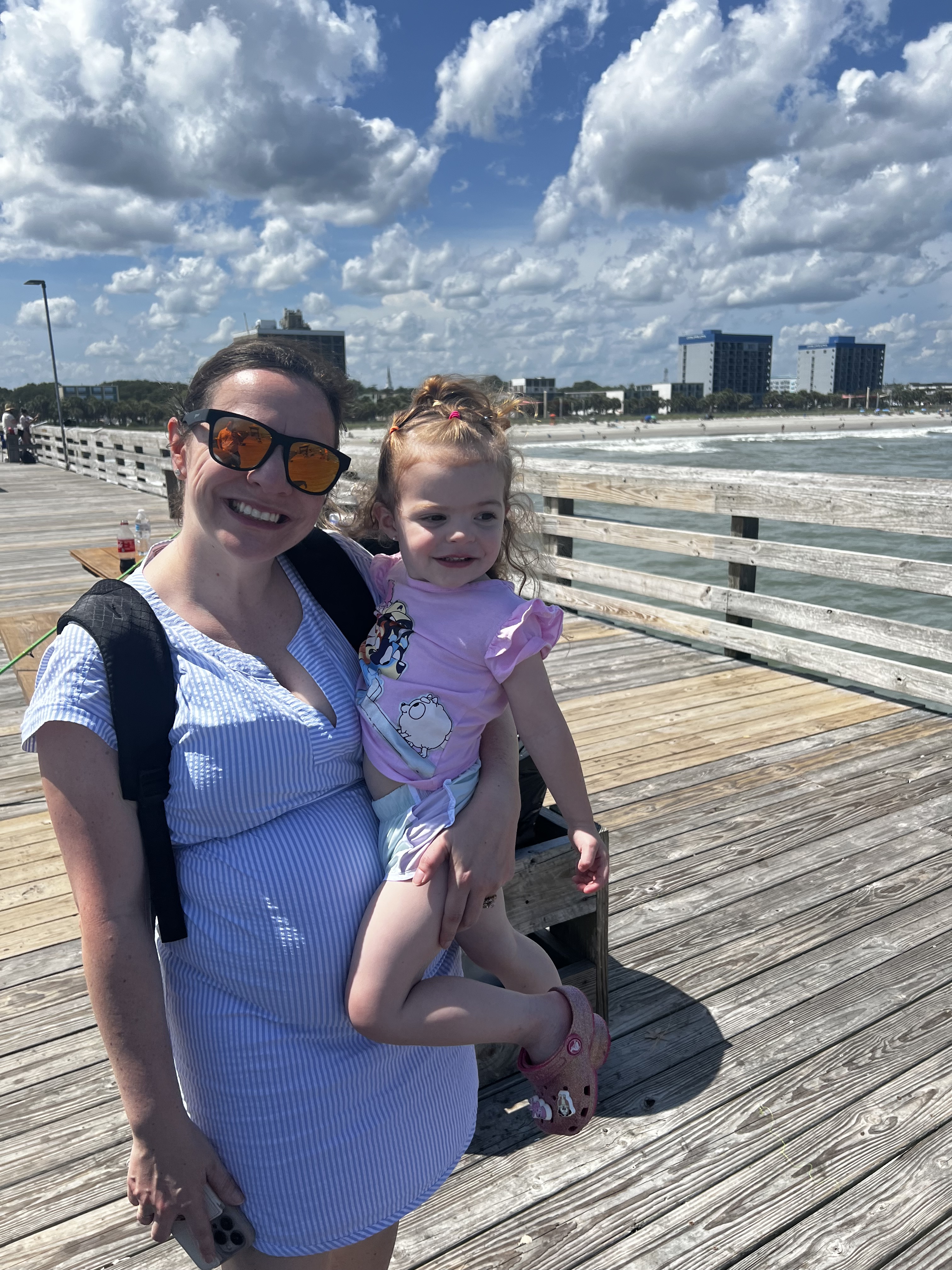
Dr. Kristin Gype wasn’t expecting it to be “her day” to receive blood as she prepared for the birth of her second child, but an emergency C-section delivery led to uncontrolled bleeding and an immediate hysterectomy.
During her struggle for life, Kristin received a whopping 52 units of blood! To put that into perspective, the average human body holds about 10 pints or “units” of blood.
Kristin, a nurse anesthetist, estimates it took up to 83 donors to produce all the blood products she needed that day.
“Those people had a ripple effect. They kept me alive, kept these two babies’ mommy alive. I get to go to work and take care of people and keep them alive,” she says.
Blood products have a short shelf-life, so the supply has to be constantly replenished. Elaine Rettig in Findlay is grateful blood was “on the shelf” when she needed seven units as she was giving birth.
“While the dreaded jab of a needle is not like a kiss from your sweetheart,” she says, “knowing you’ll be helping someone through a rough time in their life is an extra reward.”
The Red Cross is constantly working to make the donation process easier. You can save time by using the RapidPass online health history tool on the day of your appointment, and many donation sites now use a transdermal device to check blood iron levels. No more finger sticks! The Red Cross operates dozens of blood drives across northern Ohio, as well as five dedicated collection sites for platelets and plasma, always in demand for treating traumatic injuries. To find a location near you, go to RedCrossBlood.org or download the free Red Cross blood donor app.
 NOHredcross