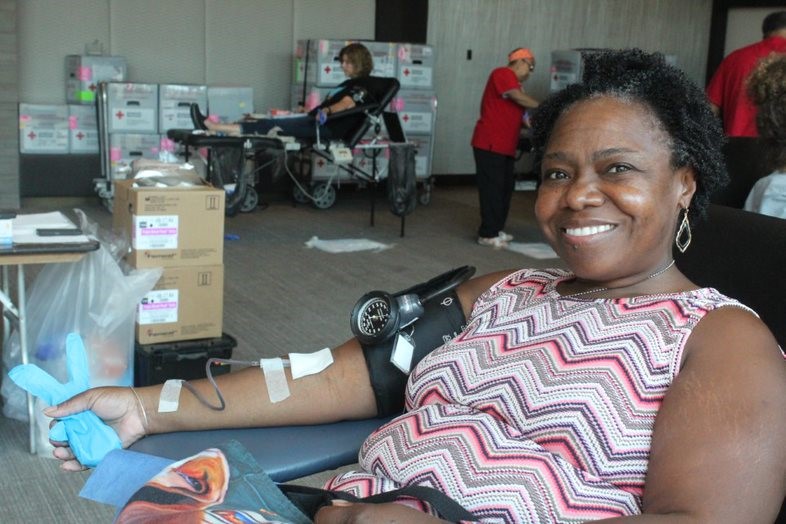
First-time blood donor leads efforts to increase donations to aid those with sickle cell disease

By Eilene E. Guy, American Red Cross volunteer

When Dr. LaTrice Snodgrass puts her mind to a project, she goes all in.

Recently, she partnered with the American Red Cross and others to stage a blood drive targeted at the Black community, to benefit people living with sickle cell disease (SCD).
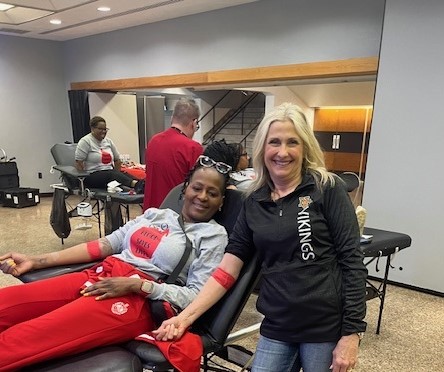
Dr. LaTrice Snodgrass and Kim Kroh, executive director of the Heartland, Stark and Muskingam Lakes chapter of the Red Cross

Not only did she spearhead the event, she literally rolled up her sleeve to donate blood – for the first time.

Through this donation, LaTrice learned that her blood is negative for three components, which makes her an ideal SCD donor. Blood transfusions from donors like LaTrice are vital to let SCD patients live comfortable, healthy lives.

LaTrice knows the importance of blood donations from her own racial community. More than 100,000 Americans — mostly African Americans — have sickle cell disease, which causes acute pain and over time damages vital organs. Her sorority, Delta Sigma Theta, put out a national call to boost donations from African Americans. “I told my sisters, we need to do this,” she said.

“I know there is a resistance in the Black community to trusting the medical establishment, but we have to overcome that. Our blood is truly lifesaving.” she said, explaining her decision to give blood for the first time, despite not being enthusiastic about needles.

SCD is an inherited condition that distorts soft, round red blood cells, turning them hard and crescent shaped. As a result, blood can’t flow smoothly to carry oxygen throughout the body, causing fatigue, severe pain, tissue and organ damage and even strokes.

Kim Kroh, executive director of the Heartland, Stark and Muskingam Lakes chapter of the Red Cross, was delighted to support LaTrice’s initiative. The project soon recruited the Strong Family Wellness Weekend, sponsored by Sean and Shaheedrah Strong, as well as the Black Nurses Association, Akron Children’s Hospital and Beacon Charitable Pharmacy, where LaTrice serves as CEO.

The drive at the Canton Civic Center exceeded its collection goal and, importantly, involved a lot of first-time donors.

“When the time comes for me to donate again, I plan to. And I’m going to reach out to my sorority sisters and friends to remind them that they need to donate again too,” she said.

Kim Kroh from the Red Cross, who has been giving blood for years, was on hand to support LaTrice through her first “poke.”

“I have a passion for (the cause of) sickle cell,” Kim said. “I know a teenager with sickle cell. What they go through is just terrible.”

The Red Cross supplies some 40 percent of the nation’s blood supply and launched a specific Sickle Cell Initiative three years ago to boost blood collection for this set of recipients.

Although Kim’s blood isn’t uniquely beneficial for SCD patients, it’s also vital: Every two seconds, someone in the U.S. needs blood, to deal with complications of childbirth, treatment for cancer, surgery or emergency room trauma.

To learn more about SCD or to make an appointment to donate blood, visit RedCrossBlood.org, use the free Blood Donor App or call 1-800-REDCROSS.

Edited by Glenda Bogar, Red Cross volunteer

Posted by Ryan Lang, Red Cross board member and volunteer
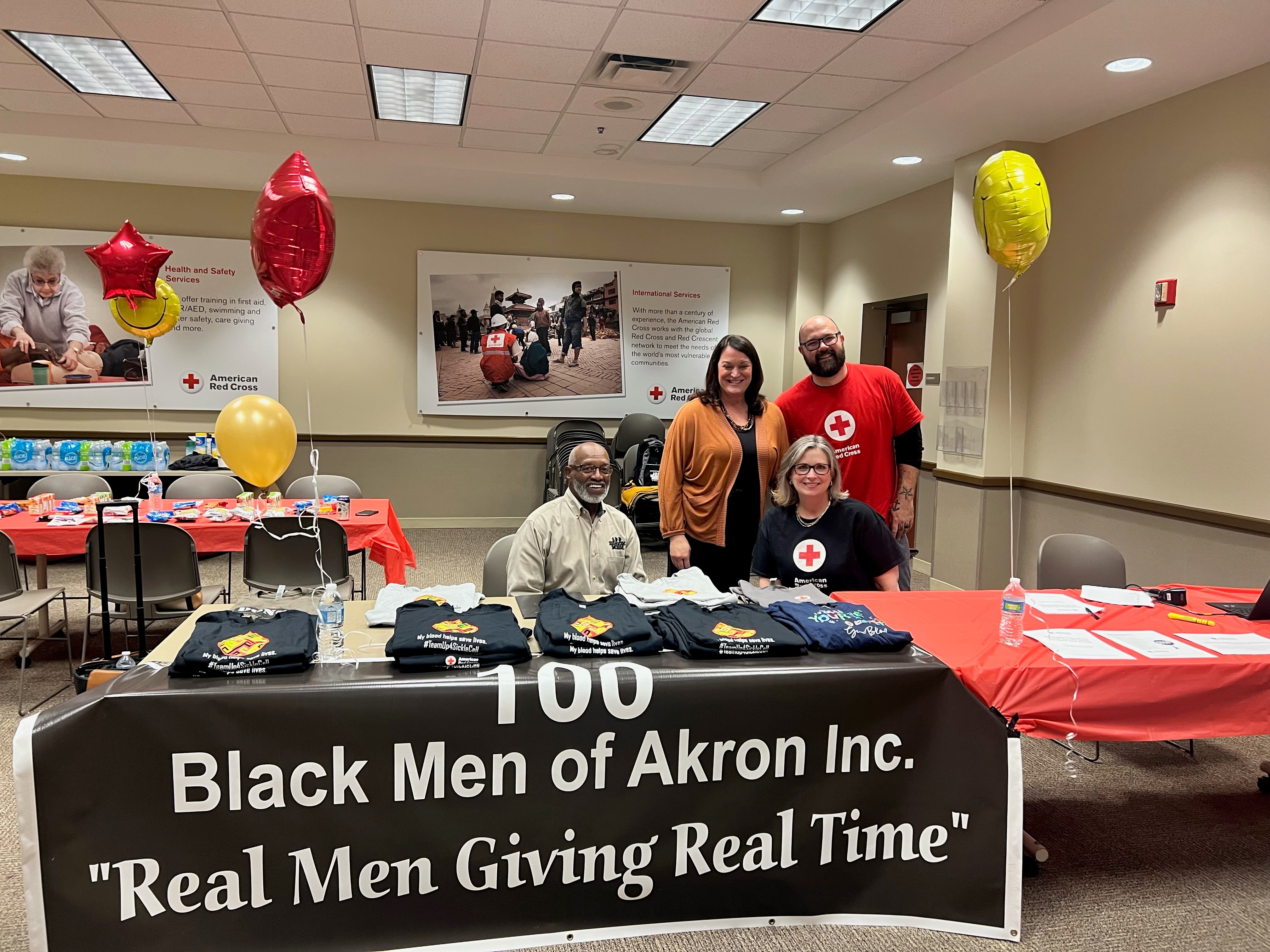
Blood drives held for Sickle Cell Awareness Month

Three separate blood drives were scheduled in Akron, Ohio for the final three days of September to collect lifesaving blood and to raise awareness of sickle cell disease.

About 100,000 people in the United States have sickle cell disease. The disease affects 1 out of every 365 Black or African American births.

Michael Irby, President of the 100 Black Men of Akron, Rachel D’Attoma, Executive Director
Greater Akron and The Mahoning Valley, Ryan Lang, Red Cross board member and volunteer, Amy Cole, Red Cross board member and volunteer
People with sickle cell disease may need as many as 100 units of blood each year. Blood donations could help alleviate the symptoms of someone living with sickle cell disease, or even help save their life.

On Thursday, September 28th , the organization 100 Black Men of Akron hosted a drive at the headquarters of the Red Cross of Greater Akron and the Mahoning Valley. Michael Irby, President of the local organization, said hosting the blood drive fits with the national group’s mission.

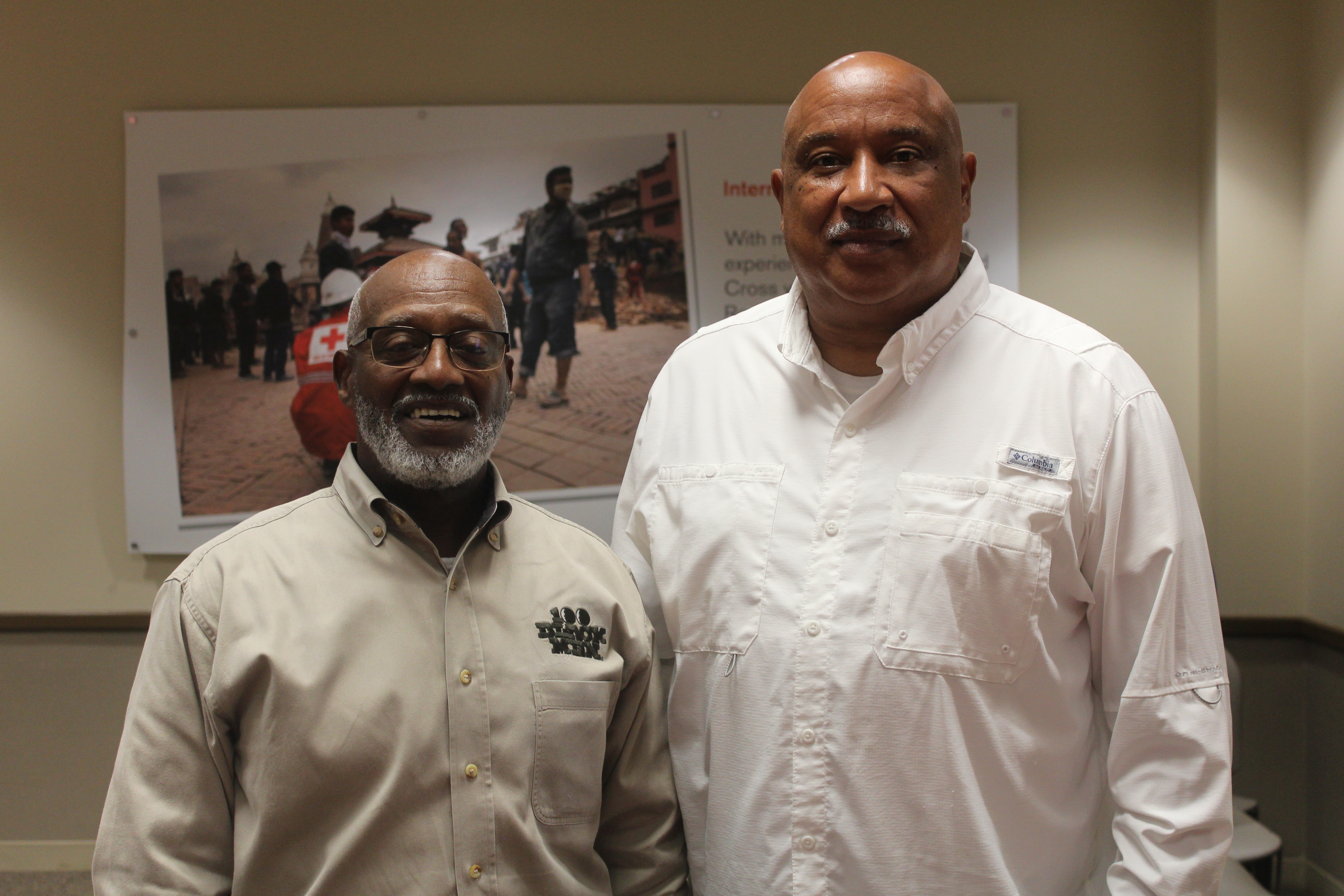
Michael Irby, President of 100 Black Men of Akron with Charles Brown, Red Cross board member and Deputy Mayor of Akron, (retd.)

“Being out in the community, not just mentoring but partnering is important to us,” he said. “Blood drives fit right into our narrative of health and well-being.”

Michael said hosting the blood drive was especially important, not just because September is Sickle Cell Awareness Month, but also because of the shortage of blood nationwide.

The American Red Cross declared a national blood shortage on Sept. 11, citing a critically low blood supply level that dropped nearly 25% since early August.

When supplies are low it can often take weeks for inventories to rebound. The Red Cross estimates that 10,000 additional blood products must be collected each week over the next month for the blood supply to reach sufficient levels and meet hospital and patient needs.

On Friday, September 29th , the Akron Public Schools and Delta Sigma Theta Akron Alumnae Chapter and the Active Chapter at the University of Akron scheduled a blood drive at the Akron Public schools board office. And on Saturday, September 30th, a blood drive sponsored by the Akron National Panhellenic Council was scheduled at the Greater Akron and the Mahoning Valley Chapter headquarters. It’s the second blood drive for sickle cell awareness hosted by the group, following an initial blood drive last June.

If you feel healthy and well, please consider scheduling a blood donation by visiting redcrossblood.org, or by calling 1-800-RED CROSS (1-800-733-2767.) You can also schedule an appointment on the Red Cross blood donor app.

Donors of all blood types are urgently needed, and there is an emergency need for platelet donors and type O blood donors to make an appointment to give now to ensure patients across the country continue receiving critical medical care. And for people with sickle cell disease, blood from people of the same race or similar ethnicity is important in ensuring the best transfusion results, with the least potential reaction.

Posted by Ryan Lang, Red Cross board member and volunteer
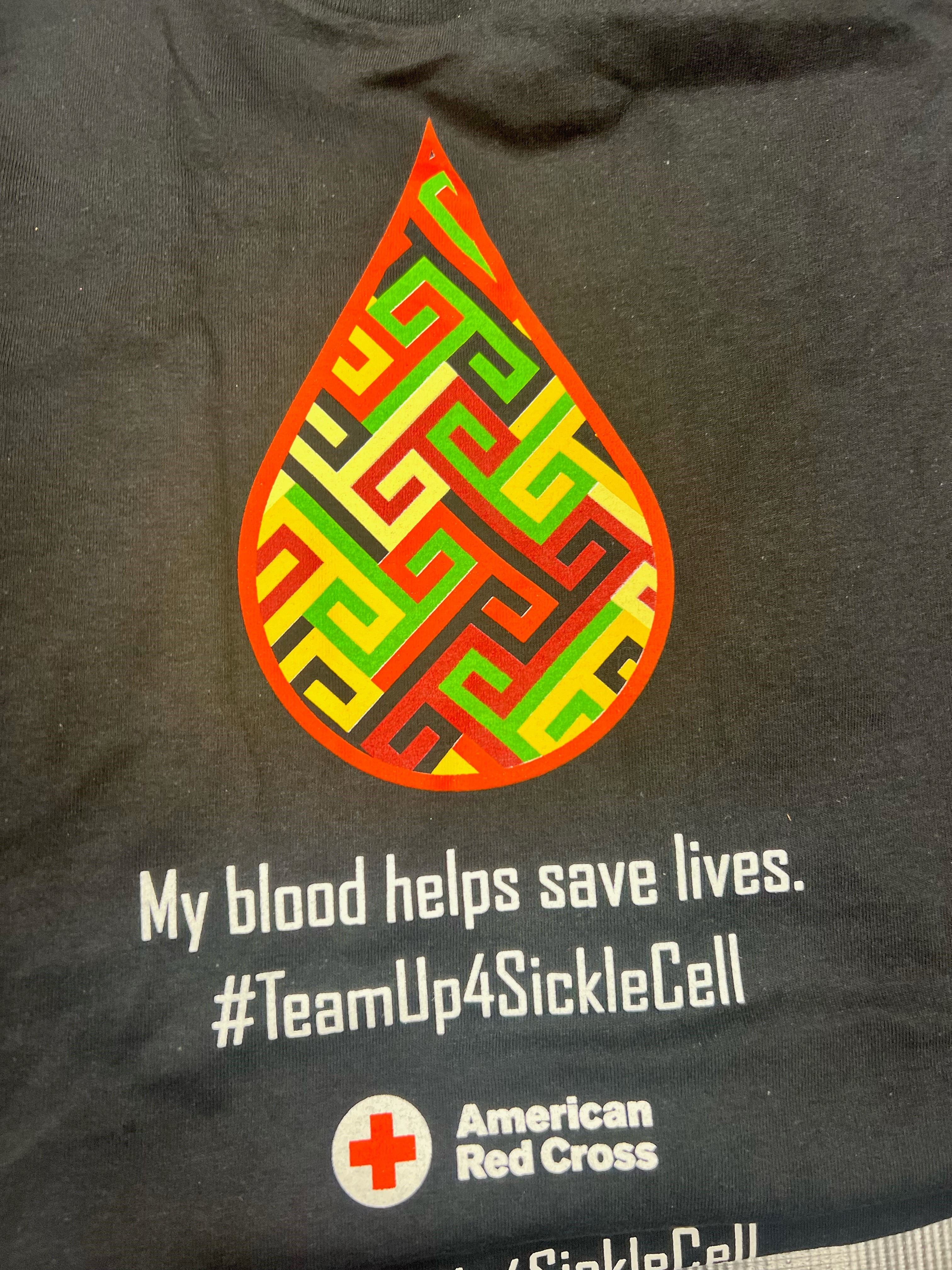
Plea for blood donors who are Black to give during Black History Month

Donors essential for helping patients with sickle cell disease

By Sabrina Spikes, American Red Cross Blood Donor Recruitment Manager

Sickle Cell disease is the most common genetic blood disease in the U.S., affecting about 100,000 people—primarily affecting Black and African American individuals. Though there is no widely available cure, the Red Cross supports one of the most critical sickle treatments of all—blood transfusions. For many patients, a close blood type match is essential and is found in donors of the same race or similar ethnicity.

Blood donor Bridget C. Miller Harper at the 2021 Cleveland Browns blood drive

Blood transfusions from individuals of the same race or similar ethnicity and blood type are the most effective way to help patients experiencing a sickle cell crisis. Since the majority of people with sickle cell are of African descent, blood donations from Black individuals are essential in helping those suffering from this disease.

When provided blood from a donor of similar race or ethnicity, patients have fewer chances of complications. In the donor recruitment department here at Red Cross, we encourage individuals in the Black community to host blood drives and give blood. By collaborating with our community partners, we also provide and encourage blood donation education to increase the likelihood of a successful blood donation.

Blood donor Keith Lofton of Olmsted Falls donated in Rocky River in 2022

While working with community organizations, I have talked to many persons with sickle cell disease. They report experiencing anemia (a shortage of red blood cells), fatigue and severe pain crises. Often the only treatment available to alleviate this pain is blood transfusion. Some individuals with sickle cell disease can require up to 100 pints of blood per year. This makes minority blood donation critical.

Donating blood can make a difference in the lives of patients battling sickle cell disease, but also cancer, and other chronic illnesses. When we increase the number of blood donors who are Black, we diversify the blood supply – a critical step to improving health and wellness in the community. Together, we can raise awareness of the impact and need by hosting a blood drive or visiting redcrossblood.org to sign up to donate at a blood drive in your community.

Posted by Ryan Lang, American Red Cross board member and volunteer