Red Crossers working to reunite families after devastating storms

By Ryan Lang, American Red Cross board member and volunteer

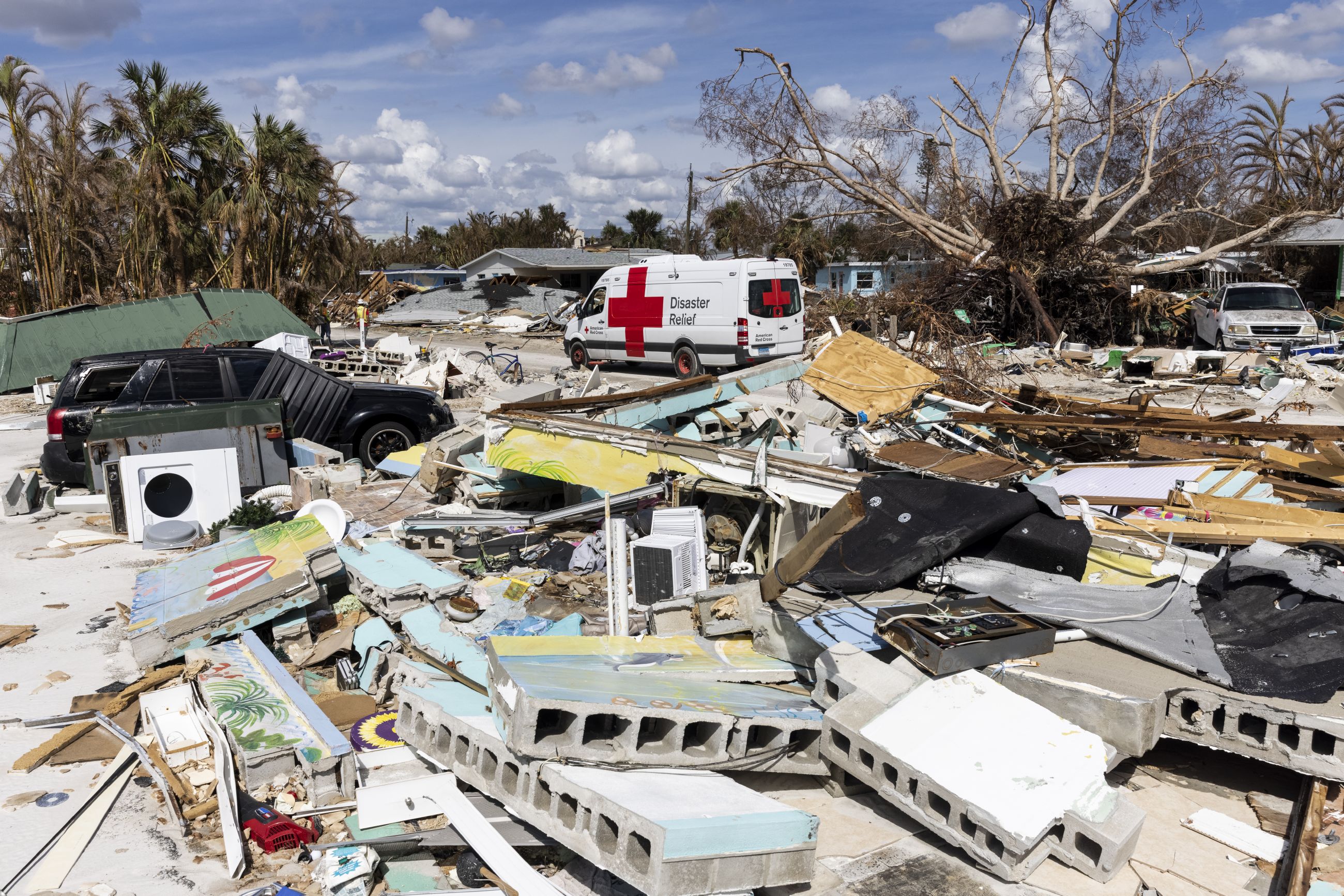
Relief efforts continue throughout the Southeast weeks after Hurricanes Helene and Milton ravaged the Carolinas, Georgia and the Gulf Coast of Florida. The storms left a trail of damage totaling hundreds of billions of dollars and counting. At least 250 people were killed and dozens more are still missing.

American Red Cross workers and volunteers have been on the ground throughout the region since before the storms hit, operating shelters and assisting with cleanup. Those are the Red Crossers you’ve seen. But there are many more you haven’t seen, working tirelessly to reunite family members separated by the storms.

The Red Cross is one of many groups that work behind -the -scenes of a disaster to help reunite loved ones. We support requests for reunification that come in through our national call center including emergency welfare inquiries, family reunification requests and military inquiries.

Emma Banton, Regional Mass Care Manager

As of October 19, more than 11,500 inquiries have been made to help find missing residents in the Southeast. Regional Mass Care Manager for the Red Cross of Northern Ohio, Emma Banton, was assigned to help reunite people who are looking for their missing family members. She says the deployment has been extremely rewarding, but mentally and emotionally difficult at times.

“To be the person who can assist with reconnecting a family with their loved ones has been a tremendous feeling,” Emma said. “Unfortunately, so many lives were lost in this tragic disaster that the work of reunification does not always have the ending we hope for.”

Those cases that wind up working out as intended, with families and friends reuniting, are the reasons Emma and others do what they do. “Thank you for all that you do for the people affected by the hurricane,” one grateful family member wrote. Another person sharing their good news simply wrote, “They are OK,” letting Emma know she’d been in touch with her loved ones.

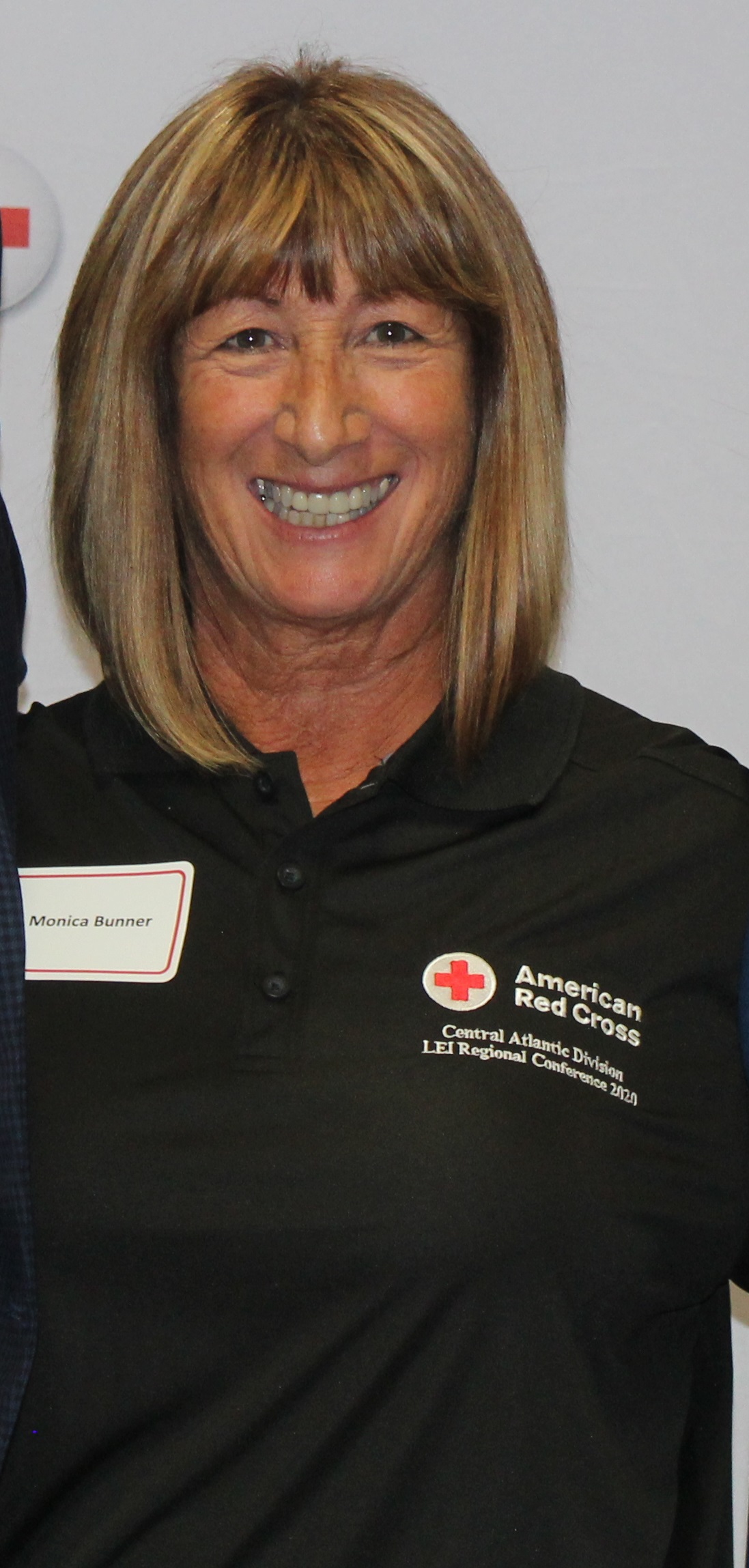
Monica Bunner, Red Cross disaster volunteer

Monica Bunner is a long-time disaster responder who has assisted with several national disaster relief operations. Monica said of her time as a reunification volunteer, “There is no greater demonstration of (the Red Cross’) commitment than to reunite loved ones who are emotionally struggling after a disaster.”

“It’s also a great opportunity for those who want to deploy but cannot be boots on the ground,” Monica added. “Equally important are the many team members who do the research, talk with the seekers and prepare (each) case virtually.”

To find out more about reunification, or if you need help finding a loved one in the aftermath of a disaster, click here.

Edited by Glenda Bogar, Red Cross volunteer
Northern Ohio volunteer helps reunite families separated by Hurricane Ian

By Diane Weber, American Red Cross volunteer

“Hello. Red Cross? I can’t reach my parents!” 

The call comes in, and Monica Bunner of Medina and the American Red Cross Reunification Team get to work. They begin with an interview of the missing person’s family. Where do the missing persons live? When did you last hear from them? More questions follow:  Do they know their neighbors?  Do they attend a house of worship? Are they part of an organization such as Knights of Columbus? Are there places they like to frequent?  

Monica Bunner, Red Cross volunteer, Reunification Regional Program Lead

In this case, the parents had recently bought a home in Rotonda West, a golf community on the coast in central Florida. The son did not know the neighbors’ names, and a call to the golf clubhouse did not yield a connection. But Monica and her colleague, Tammy Miner of Maysville, Washington spotted a lead in their interview – the missing couple had just bought a home. A search of public records yielded the name of the realtor. On a hunch that the realtor lived in the area or perhaps remained in contact with the couple, Monica called the realtor. The realtor not only lived within driving distance, but he was also willing to drive to the couple’s home.  

The realtor reported that the couple were doing well but had no electricity or cell service to contact the family. The couple drove to a nearby town and reconnected with a very relieved son. 

Such is the daily experience for reunification workers Monica. Most of these requests are resolved with just a few phone calls.  

She explained the process: 

  • Calls for reunification assistance are typically initiated through the 1-800-RED CROSS portal, although some requests come from people who see the reunification team working in the field and tell them of their own missing persons. 
     
  • The requests are then vetted according to urgency, with priority going to people with medical issues or physical or mental disabilities or veterans. Unaccompanied minors are given immediate priority, as are requests from immediate family members. Friends searching for friends or work acquaintances are coached with suggestions for their own searches.  
     
October 7, 2022. Punta Gorda, Florida. Red Cross disaster relief worker Lynette Nyman gets a hug from darling Ava who evacuated to her grandmother’s home to be safe from Hurricane Ian. Photo by Marko Kokic/American Red Cross
  • If the reunification team decides to open a case for the missing person, more information is gathered, such as the physical appearance of the person and why that person decided to remain in the area and not evacuate. 

    “That information helps us to understand the missing person more fully,” explained Monica. “We find out if the person is afraid to venture out into crowds or if they refused to leave their pets, for example. That will help us in our search for them.” 
  • The reunification team then presses for more information. Is the missing person part of an organization such as Knights of Columbus or American Legion? Does he/she have a favorite site to visit, such as a library or museum or even a favorite store or restaurant? Is he active on social media?  
     
  • If none of the telephone detective work yields the whereabouts of the missing person, the Reunification Field Team heads out to the neighborhood, first to the address of the missing person and then canvasing the neighbors, churches, organizations, and local shelters.  
October 11, 2022. Ft. Myers Beach, Florida. Red Cross volunteers drive through some of the areas in Fort Myers Beach, FL, that were hit hardest by Hurricane Ian’s devastating winds and storm surge. They took their emergency response vehicle into the community to deliver hot meals to residents who have only just begun their cleanup efforts since being let back on the island on Sunday. Photo by Scott Dalton/American Red Cross

Last week, a missing grandmother was located in a Florida shelter. 

“I’m well and happy as a clam,” she told her family when she was found. “I’m sitting in a shelter. I’m well fed, and I’m watching TV with my friends.”  

Another successful case for the reunification team. 

“It is addictive,” cautioned Monica. “When you’re able to tell the family that you have found their family member safe and sound and see the relief on their faces, it is worth all the effort to find them.” 

Edited by: Jim McIntyre, Red Cross Regional Communications Director