Let the Annual Weather Games Begin

May the forecast be ever in your favor….

If you like snow and cold, you are REALLY in luck this week. According to our partners at the Weather Channel, Northeast Ohio is in for some outstanding winter weather with snow giving way to freezing temperatures and then back to an icy, wintery mix over the next 10 days.

But we’ll leave the forecasting to the professionals.

Let’s chat about some things that you and your family can do to prepare for the winter weather that is upon us. But first, please remember your friends and neighbors – especially those who may have functional or access needs – and check on them. Help them get prepared as well, if you are able!

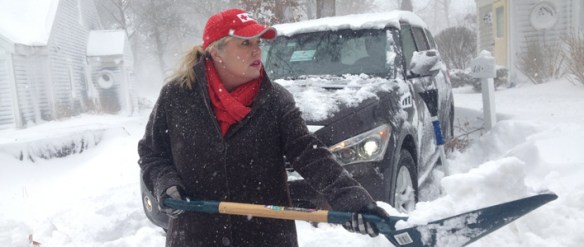
m16540227_wintershoveling

Get Your Vehicle Ready for Winter

Timely Advice Ahead of First Winter Storm of the Season

Driving in a winter storm presents its own unique challenges. The Red Cross has steps people can follow to get their vehicle ready for winter as well as what they should do if they are caught in a winter storm.

“Check your vehicle and stock it with some emergency supplies,” said Tim O’Toole, Disaster Services Officer. “The best thing you can do is stay off the roads during a winter storm.”

GET YOUR VEHICLE READY FOR WINTER  Plan ahead. Have a mechanic check your tires, battery, brakes and antifreeze levels. Make sure your vehicle is ready for winter with a window scraper, shovel, kitty litter or sand in case you get stuck, extra clothes and a Disaster Supplies Kit in your trunk. Pack high-protein snacks, water, first aid kit, flashlight, small battery-operated radio, an emergency contact card with names and phone numbers, extra prescription medications, blankets and important documents or information you may need.

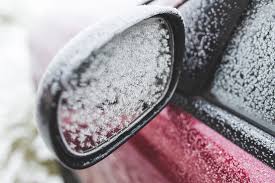
car-winter

DRIVING IN WINTER  While the Red Cross encourages you to stay off the road if possible, if you have to drive in snow or freezing rain, follow these tips about how to drive safely during a winter storm and what to do if you become stuck in your vehicle:

  • Fill the vehicle’s gas tank and clean the lights and windows to help you see.
  • Pay attention to the weather forecast. Before you leave, let someone know where you are going, the route you plan to take, and when you expect to get there. If your car gets stuck, help can be sent along your predetermined route.
  • If you have to drive, make sure everyone has their seat belts on and give your full attention to the road. Avoid distractions such as cell phones.
  • Don’t follow other vehicles too closely. Sudden stops are difficult on snowy roadways.
  • Don’t use cruise control when driving in winter weather.
  • Don’t pass snow plows.
  • Know that ramps, bridges and overpasses will freeze before roadways.

If you become stuck in the snow or icy conditions:

  • Stay with the car. Do not try to walk to safety.
  • Tie a brightly colored cloth (preferably red) to the antenna for rescuers to see.
  • Don’t run your engine and heater constantly to help avoid running out of gas. Don’t use things like lights or the radio without the engine running so the battery doesn’t conk out.
  • If you can, move your vehicle off the roadway. Stay with it – don’t abandon it. If you have to get out of your vehicle, use the side away from traffic.
  • Start the car and use the heater for about 10 minutes every hour. Keep the exhaust pipe clear so fumes won’t back up in the car.
  • Leave the overhead light on when the engine is running to help rescuers see the vehicle.
  • Keep one window slightly open – away from the blowing wind – to let in air.

WEATHER ALERTS AND FIRST AID TIPS People can download the Red Cross Emergency App for instant access to winter storm tips and weather alerts for their area and where loved-ones live. Expert medical guidance and a hospital locator are included in the First Aid App in case travelers encounter any mishaps. Both apps are available to download for free in app stores or at redcross.org/apps.

Thanksgiving is almost here!!

If you are like my family members, you can already taste the pumpkin pie and cranberry sauce. But with children and pets (and let’s face it – some grown-ups, too) running around and through the kitchen, paying close attention while preparing the feast is vital to having a safe holiday.

“Cooking is the number one cause of home fires,” said Mike Parks, Regional CEO. “Last year over 40 individuals – more than a dozen of them children – experienced a home fire over the holiday weekend. Education is key in preventing cooking fires.”

TOP TEN COOKING SAFETY TIPS

1. Don’t wear loose clothing or sleeves that dangle while cooking.

2. If you are frying, grilling or broiling food, never leave it unattended – stay in the kitchen. If you just leave the kitchen for even a short period of time, turn off the stove.

3. If you’re simmering, baking, roasting or broiling food, check it regularly.

4. Use a timer to remind yourself that the stove or oven is on.

5. Keep kids and pets away from the cooking area. Make them stay at least three feet away from the stove.

6. Keep anything that can catch fire – pot holders, oven mitts, wooden utensils, paper or plastic bags, food packaging, and towels or curtains—away from your stove, oven or any other appliance in the kitchen that generates heat.

7. Clean cooking surfaces on a regular basis to prevent grease buildup.

8. Consider purchasing a fire extinguisher to keep in your kitchen. Contact your local fire department to take training on the proper use of extinguishers.

9. Always check the kitchen before going to bed or leaving the home to make sure all stoves, ovens, and small appliances are turned off.

10. Install a smoke alarm near your kitchen, on each level of your home, near sleeping areas, and inside and outside bedrooms if you sleep with doors closed. Use the test button to check it each month. Replace all batteries at least once a year. We can help! Learn more about our free smoke alarm and education program, Operation Save-A-Life, at www.redcross.org/neoosal!


Bonus Tip

Download the American Red Cross First Aid App. The app provides users with quick, expert advice on what to do in case of an emergency. See all the Red Cross apps at redcross.org/mobileapps.

10 Home Fire Prevention Tips

With cold weather creeping in, it’s time to think about heating your home.

Here are ten tips you can take, today, to help your family stay safe this winter:

  1. Install a smoke alarm on every level of the home, and inside and outside each sleeping area.
  2. Make sure that the cooking area is free from items that can catch fire, like dish towels or pot holders.
  3. Check your electrical cords to verify that they are not frayed or cracked.
  4. Never leave children and pets with unattended with candles.
  5. Clean out your clothes dryer lint filter and venting system (this should also improve how well your dryer works!)
  6. Carbon monoxide alarms should be located on each level of the home. And, yes, you can take the “two birds, one stone” approach by buying a combination CO2/Smoke Alarm unit!
  7. Move furniture and other items that can catch fire so that they are at least 3-feet from fireplaces, wall heaters, baseboards, and space heaters.
  8. HAVE AN ESCAPE PLAN with two ways out of each room!
  9. KNOW WHERE TO MEET ONCE YOU ARE OUT OF THE HOUSE!
  10. PRACTICE YOUR ESCAPE PLAN!

You can help community members in your area receive a free smoke alarm installation by donating to Operation Save-A-Life, the home fire prevention program offered through the Red Cross.

For a more thorough look at fire safety in your home, check out this Home Fire Safety Checklist.

4th of July: Red Cross Steps for Enjoying a Safe Holiday Weekend


Fireworks, beach safety tips to keep everyone safe this Independence Day

Everyone is looking forward to the upcoming Fourth of July holiday weekend and the American Red Cross has steps you can follow to stay safe when enjoying the fireworks or taking a trip to the beach.

 “Millions of people will visit pools or lakes or watch fireworks shows over the 4th of July weekend and there are steps they can take to have a safe holiday,” said Michael Parks, Regional CEO of Northeast Ohio. “They can also download our First Aid and Swim Apps to have important safety information at their fingertips.”4th of July Firework SafetyFIREWORKS SAFETY The safest way to enjoy fireworks is to attend a public fireworks show put on by professionals. Stay at least 500 feet away from the show. Many cities and states outlaw most fireworks. If someone is setting fireworks off at home, follow these safety steps:
  • Never give fireworks to small children.
  • Always follow the instructions on the packaging.
  • Keep a supply of water close by as a precaution.
  • Make sure the person lighting fireworks always wears eye protection.
  • Light only one firework at a time and never attempt to relight “a dud.”
  • Store fireworks in a cool, dry place away from children and pets.
  • Never throw or point a firework toward people, animals, vehicles, structures or flammable materials.
  • Leave any area immediately where untrained amateurs are using fireworks.Water Safety TipsWATER SAFETY Swim only at a beach with a lifeguard, within the designated swimming area. Obey all instructions and orders from lifeguards. While enjoying the water, keep alert and check the local weather conditions. Other safety steps include:
  • Swim sober and always swim with a buddy. Make sure you have enough energy to swim back to shore.
  • Have young children and inexperienced swimmers wear a U.S. Coast Guard-approved life jacket.
  • Protect your neck – don’t dive headfirst. Walk carefully into open waters.
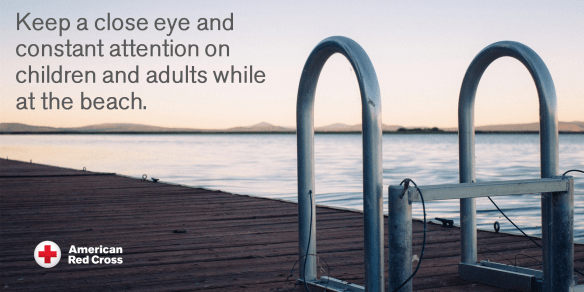
  • Keep a close eye and constant attention on children and adults while at the beach. Wave action can cause someone to lose their footing, even in shallow water.
  • Watch out for aquatic life. Water plants and animals may be dangerous. Avoid patches of plants and leave animals alone.

beachRIP CURRENTS Rip currents are responsible for deaths on our nation’s beaches every year, and for most of the rescues performed by lifeguards. Any beach with breaking waves may have rip currents. Be aware of the danger of rip currents and remember the following:

  • If you are caught in a rip current, try not to panic. Swim parallel to the shore until you are out of the current. Once you are free, turn and swim toward shore. If you can’t swim to the shore, float or tread water until you are free of the rip current and then head toward shore.
  • Stay at least 100 feet away from piers and jetties. Permanent rip currents often exist near these structures.

DOWNLOAD SWIM, FIRST AID APPS The Red Cross Swim App promotes water safety education and helps parents and caregivers of young people learning how to swim. The app has features specifically designed for children, including a variety of kid-friendly games, videos and quizzes. It also contains water safety information for parents on a variety of aquatic environments including beaches and water parks. The First Aid App provides instant access to expert guidance on a variety of situations from insect bites and stings to choking and Hands-Only CPR. People can download the apps for free by searching for ‘American Red Cross’ in their app store or at redcross.org/apps.

HOME POOL ESSENTIALS COURSE The Red Cross and National Swimming Pool Foundation® (NSPF) have developed an online safety course for pool and hot tub owners. Home Pool Essentials helps people understand the risks of pool ownership, how to maintain a safer and cleaner pool, what safety equipment is appropriate, how to prevent pool and hot tub entrapment hazards, and how to respond to an emergency.


Storm’s coming – 5 quick tips for responding appropriately during a Thunderstorm

  • th Listen to local news or NOAA Weather Radio for emergency updates. Watch for signs of a storm, like darkening skies, lightning flashes or increasing wind.
  • If thunder roars, go indoors! If you can hear thunder, you are close enough to be in danger from lightning. The National Weather Service recommends staying inside for at least 30 minutes after the last thunder clap.
  • Avoid electrical equipment and telephones. Use battery-powered TVs and radios instead.
  • If you are driving, try to safely exit the roadway and park. Stay in the vehicle and turn on the emergency flashers until the heavy rain ends. Avoid touching metal or other surfaces that conduct electricity in and outside the vehicle.
  • If you are outside and cannot reach a safe building, avoid high ground; water; tall, isolated trees; and metal objects such as fences or bleachers. Picnic shelters, dugouts and sheds are NOT safe.

THIS IS NOT A DRILL: Northeast Ohio Weather Turns Frightful

Since Northeast Ohio has been experience a nice (for some) respite from the polar vortex winters of the past few years, it is quite possible that we’ve all forgotten how to react to cold, normal-Ohio weather.

With frigid temperatures sticking around for the next 10 or so days, it’s time to review!

Freezing Pipes

  • Keep the thermostat set to the same temperature both during the day and at night. By temporarily suspending the use of lower nighttime temperatures, you may incur a higher heating bill, but you can prevent a much more costly repair job if pipes freeze and burst.
  • Keep garage doors closed if there are water supply lines in the garage.
  • For more freezing pipe tips and tricks, visit our page on redcross.org!

Fire Safety

  • Keep items that can catch on fire at least three feet away from anything that gets hot, such as space heaters.
  • Never smoke in bed.
  • Talk to your children regularly about the dangers of fire, matches and lighters and keep them out of reach.
  • Turn portable heaters off when you leave the room or go to sleep.
  • Install smoke alarms on every level of your home, inside bedrooms and outside sleeping areas.
  • Teach your children what smoke alarms sound like and what to do when they hear one.
  • Test smoke alarms once a month, if they’re not working, change the batteries.
  • For more information about fire safety, visit the Home Fire tab on redcross.org/prepare.

Personal Safety

  • Avoid unnecessary exposure to the cold. Be aware of both the temperature and the wind chill when planning outdoor activities. 
  • Most of your body heat is lost through your head so wear a hat, preferably one that covers your ears.
  • Dressing in layers helps you retain heat. You can remove layers as needed if you become too warm.
  • Mittens provide more warmth to your hands than gloves.
  • Wear waterproof, insulated boots to help avoid hypothermia or frostbite by keeping your feet warm and dry and to maintain your footing in ice and snow.
  • Get out of wet clothes immediately and warm the core body temperature with a blanket or warm fluids like hot cider or soup. Avoid drinking caffeine or alcohol if you expect you or someone you are trying to help has hypothermia or frostbite.
  • Recognize the symptoms of hypothermia that can be a serious medical condition: confusion, dizziness, exhaustion and severe shivering. Seek medical attention immediately if you have these symptoms.
  • Recognize frostbite warning signs: gray, white or yellow skin discoloration, numbness, waxy feeling skin. Seek medical attention immediately if you have these symptoms.
  • Download the Red Cross First Aid app for more information about how to respond during a personal safety emergency.

Be Prepared For A Mobile Emergency

Get Your Emergency Car Kit Ready To Go

get-a-kit

Being prepared means being equipped with the proper supplies you may need in the event of an emergency or disaster, no matter where you go.  Labor Day marks the unofficial end of summer. Now is the time to put together a Disaster Supplies Kit to carry in the trunk of your car.  Heavy autumn rains can cause flooded roadways, and winter will be here in Northeast Ohio before we know it.  With it comes the certainty of hazardous driving conditions. No one wants to be stranded without the proper supplies.

Here is a list of the minimum basic supplies you should pack in your vehicle emergency kit:

  • High protein snacks
  • Water, enough that each person has one gallon per day
  • First Aid Kit
  • A flashlight and extra batteries
  • Battery-powered or hand-cranked radio, preferably NOAA Weather Radio  -emergency-radio
  • Emergency blanket
  • A whistle, to attract the attention of rescue personnel
  • An emergency contact card with names and phone numbers, and important documents or information you may need
  • Extra prescription medications

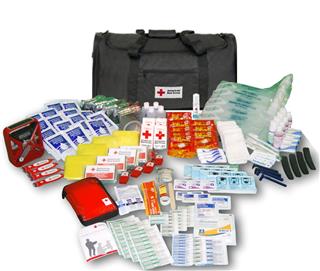
The Red Cross store sells a wide variety of emergency supplies, from compact Safety Tubes to Starter Kits to kits containing enough supplies to help 4 people survive a 3 day emergency.

bigkit

In addition, always let someone know your destination, your route, and when you expect to arrive. If your car gets stuck along the way, help can be sent along your predetermined route.

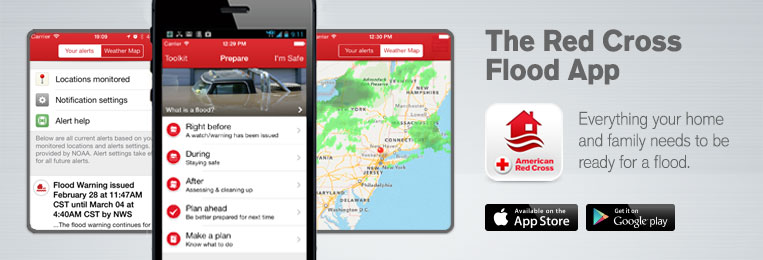
It’s also helpful to find out what disasters may occur in the place where you are traveling, especially if you have never encountered such disasters before.  Find out how you would best get information in the event of a disaster (Red Cross Emergency apps, local radio stations, emergency alert systems).

flood-app

Pay attention to the weather forecast for your destination. Travel and weather web sites can help you avoid storms and other regional challenges that could impact your safety.

And keep an eye on your gas gauge.  Don’t let your vehicle’s gas tank get too low, especially with prices as low as they are at many gas stations in Northeast Ohio!

Be prepared for an emergency, no matter where you go.  Be Red Cross Ready!

Well, it’s a Hot One. Learn How to Beat the Heat!

With high, high Northeast Ohio temperatures expected this week, it’s important that you keep three key things in mind to beat the heat: stay cool, stay hydrated and stay informed.

Stay Cool

Here are a few ways to keep your body temperature cool to avoid heat-related illness.

  • Stay in air-conditioned buildings as much as possible.
  • Find an air-conditioned shelter.
  • Do not rely on a fan as your primary cooling device.
  • Avoid direct sunlight.
  • Wear loose-fitting, light-colored clothing.
  • Take cool showers or baths.
  • Check on those most at-risk twice a day.

Stay Hydrated

Your body may sweat more in these temps, which means you will be losing fluids.

  • Drink more water than usual.
  • Don’t wait until you’re thirsty to drink more fluids.
  • Avoid alcohol or liquids containing high amounts of sugar.
  • Encourage others (especially those at risk like people 65 and older, pregnant women and children) to drink enough water.

Stay Informed

Download the free Red Cross First Aid app to learn more about how to treat heat related illnesses. Here are a few of the warning signs:

Heat cramps are muscular pains and spasms that usually occur in the legs or abdomen. Heat cramps are often an early sign that the body is having trouble with the heat.

  • Get the person to a cooler place and have him or her rest in a comfortable position. Lightly stretch the affected muscle and gently massage the area.
  • Give an electrolyte-containing fluid, such as a commercial sports drink, fruit juice or milk. Water may also be given. Do not give the person salt tablets.
Heat exhaustion is a more severe condition than heat cramps. Heat exhaustion often affects athletes, firefighters, construction workers and factory workers. It also affects those wearing heavy clothing in a hot, humid environment.
  • Signs of heat exhaustion include cool, moist, pale, ashen or flushed skin; headache; nausea; dizziness; weakness; and exhaustion.
  • Move the person to a cooler environment with circulating air. Remove or loosen as much clothing as possible and apply cool, wet cloths or towels to the skin. Fanning or spraying the person with water also can help. If the person is conscious, give small amounts of a cool fluid such as a commercial sports drink or fruit juice to restore fluids and electrolytes. Milk or water may also be given. Give about 4 ounces of fluid every 15 minutes.
  • If the person’s condition does not improve or if he or she refuses water, has a change in consciousness, or vomits, call 9-1-1 or the local emergency number.
Heat stroke is a life-threatening condition that usually occurs by ignoring the signals of heat exhaustion. Heat stroke develops when the body systems are overwhelmed by heat and begin to stop functioning.
  • Signs of heat stroke include extremely high body temperature, red skin which may be dry or moist; changes in consciousness; rapid, weak pulse; rapid, shallow breathing; confusion; vomiting; and seizures.
  • Heat stroke is life-threatening. Call 9-1-1 or the local emergency number immediately.
  • Preferred method: Rapidly cool the body by immersing the person up to the neck in cold water, if possible OR douse or spray the person with cold water.
  • Sponge the person with ice water-doused towels over the entire body, frequently rotating the cold, wet towels.
  • Cover the person with bags of ice.
  • If you are not able to measure and monitor the person’s temperature, apply rapid cooling methods for 20 minutes or until the person’s condition improves.

For more information on at-risk populations, check out the Centers for Disease Control and Prevention’s website: http://www.cdc.gov/extremeheat/

Fourth of July Safety Tips: Celebrate Independence Day Safely

This Fourth of July weekend, many people will be traveling, firing up the backyard grill or enjoying fireworks, so we wanted to offer a series of steps everyone can follow to safely enjoy the holiday weekend!

HIGHWAY SAFETY Millions of Northeast Ohioans will hit the road over the Fourth of July weekend. (Auto club AAA estimates that 41.9 million Americans will travel over the weekend, the most in eight years!) Here are five things everyone should do to stay safe while traveling:

  1. Buckle seat belts, observe speed limits.
  2. Do not drink and drive.
  3. Pay full attention to the road – don’t use a cell phone to call or text.
  4. Use caution in work zones.
  5. Clean the vehicle’s lights and windows to help the driver see, especially at night. Turn the headlights on as dusk approaches, or during inclement weather.

4th of July Firework SafetyFIREWORKS SAFETY The best way to enjoy fireworks is to attend a public fireworks show put on by professionals. But if sparklers are part of your Independence Day tradition, here are five safety steps for people using novelty fireworks (the only fireworks which are legal for home use in the state of Ohio) at home:

  1. Never give novelty fireworks to small children, and always follow the instructions on the packaging.
  2. Keep a supply of water close by as a precaution.
  3. Make sure the person lighting novelty fireworks always wears eye protection.
  4. Light only one novelty firework at a time and never attempt to relight “a dud.”
  5. Never throw or point a novelty firework toward people, animals, vehicles, structures or flammable materials. 

Grill Safety Tips

GRILLING SAFETY Ah! The Red, White and Blue Backyard Barbecue!! But did you know that every year people are injured while using charcoal or gas grills? Here are five steps to safely cook up treats for your Independence Day feast:

  1. Always supervise a barbecue grill when in use.
  2. Never grill indoors – not in the house, camper, tent, or any enclosed area.
  3. Make sure everyone, including the pets, stays away from the grill.
  4. Keep the grill out in the open, away from the house, the deck, tree branches, or anything that could catch fire.
  5. Use the long-handled tools especially made for cooking on the grill to keep the chef safe.

JUST IN CASE: WHY NOT BE SAFE AND DOWNLOAD THE FREE FIRST AID APP – The Red Cross has a free Red Cross First Aid App to put expert advice for everyday emergencies at their fingertips. The app is available for smart phones and tablets and can be downloaded from the Apple or Google Play for Android app stores.

Happy AND SAFE Fourth of July, everyone!