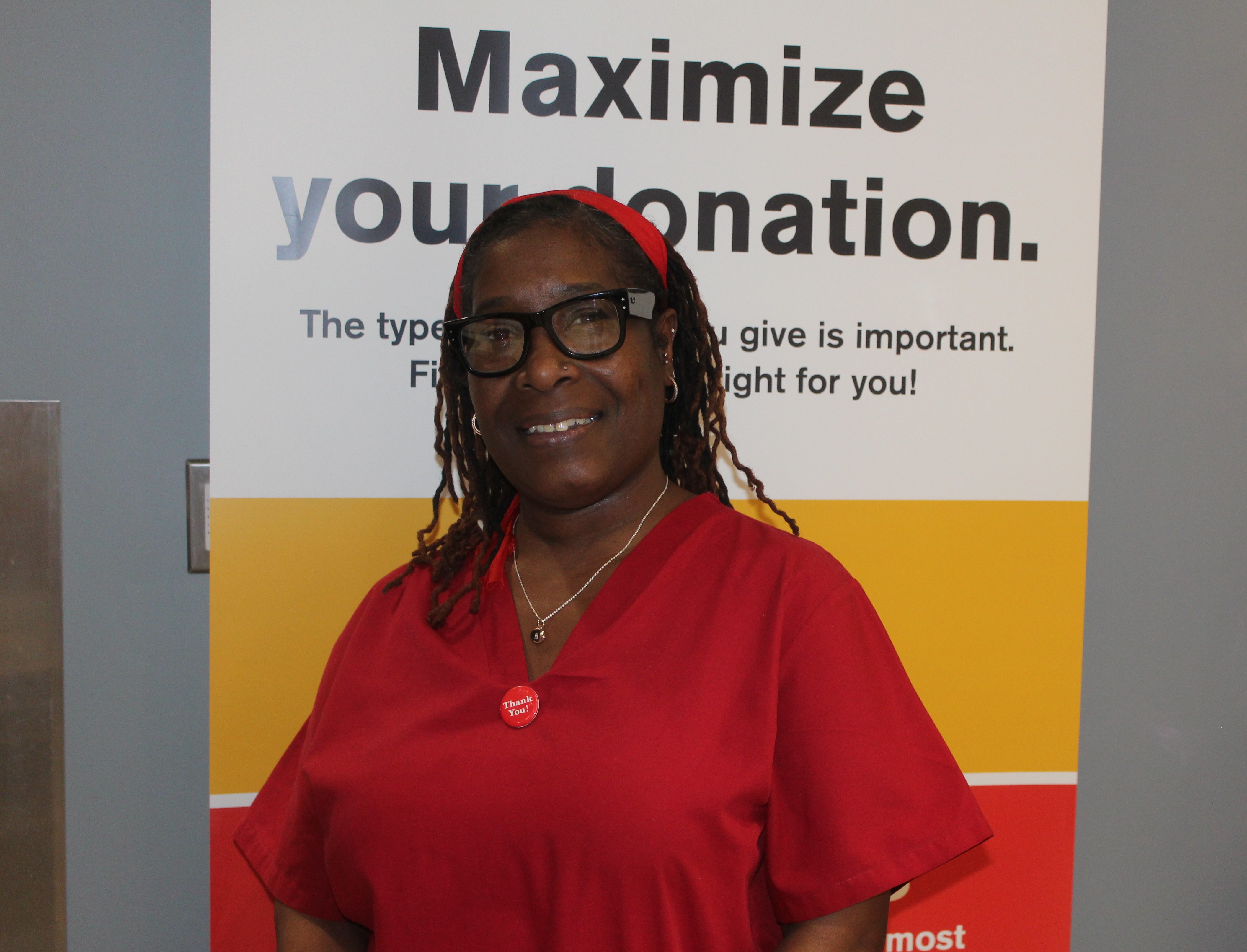
Helping all family members, human and pet, after a disaster

By Tim Poe, American Red Cross volunteer

“We found a cat!” I was descending a stairwell, having spent the day assisting those impacted by a multi-family fire, when a firefighter and police officer rushed in. They had found someone’s pet, soot-covered, but alive. Reaching out to the family so they could contact the fire department about their pet is among my favorite American Red Cross experiences. I’ve also seen how much animal family members mean during times of crisis, whether helping recover from tragedy or mourning their loss.

Over the past year, the Red Cross Northern Ohio Region has improved its ability to ensure pets are included when assisting families after a disaster. Megan Sylvester, Regional Recovery Manager for the Red Cross, has led this initiative.
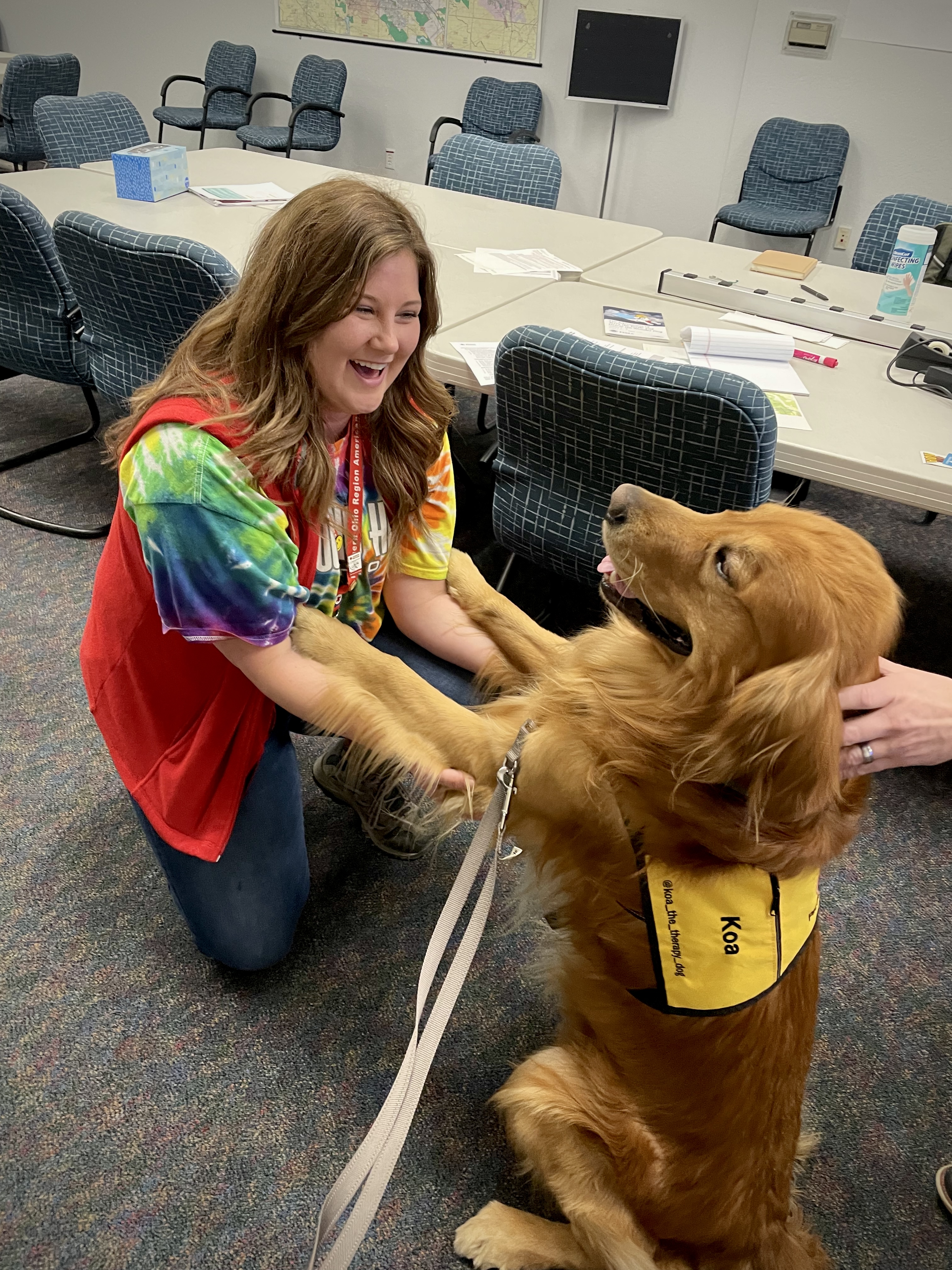
Megan Sylvester, Regional Recovery Manager for the Red Cross

Megan, who has a zoology degree and extensive experience caring for and working with animals–including having “two rescue pitties and a shepherd” of her own–realized the need for improved pet care after responding to a home fire in which three cats died. When asked what the family could do with the bodies, she did not have an immediate answer. She knew pets are important family members that bring joy and comfort to our lives, and that the issue had to be addressed.

The efforts are having tremendous results. In January alone, the Northern Ohio Disaster
Assistance Team (DAT) responded to 121 events, aided 454 people (330 adults and 124 children) and 226 household pets, including seven emotional support and three service animals. Most were dogs and cats, but there were also small mammals, lizards, and a bird.

Building partnerships has been key in this effort. These include Neighborhood Pets Outreach & Resource Center, which helps people of all income levels care for their pets, Berea ARF, a no-time-limit animal rescue, and Faithful Companion, which provides service after a pet has died.
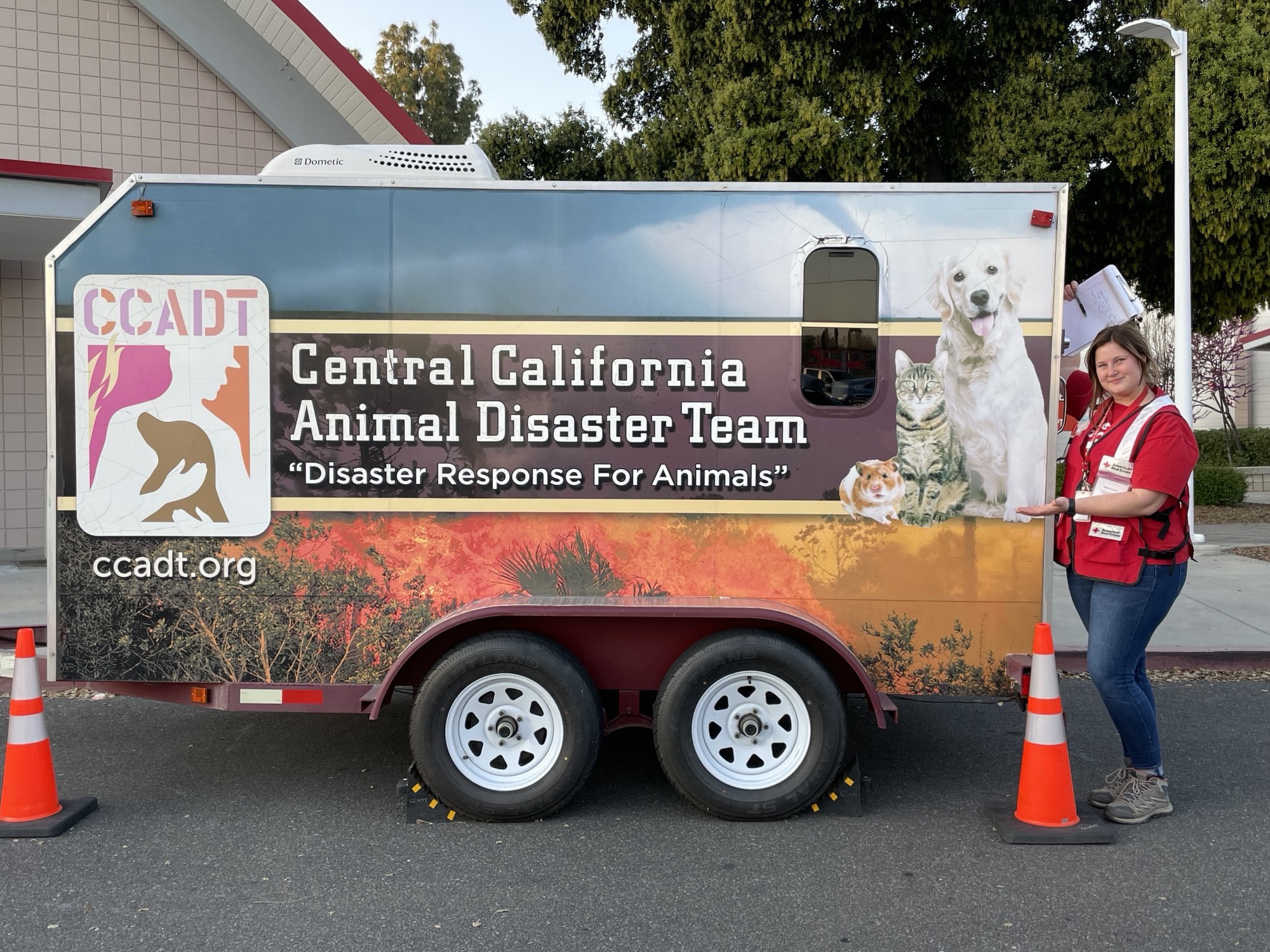
Megan Sylvester, with the Central California Animal Disaster Team

These partners help ensure families recovering from a disaster have resources for pet food, bedding and, when needed, services to take care of their pet’s remains.

In addition to her local efforts, Megan said that nationally, the Red Cross now has a household pet program. Sadly, people have perished in large disasters because they did not want to leave their pets behind. There were no pet shelters, so they did not evacuate. The national household pet program is meant to address this issue.

Megan helped the national effort while aiding families impacted by California floods, where she saw how greatly pets helped those recovering from disaster as well as Red Cross members.

Working as a pet liaison, she helped coordinate Red Cross efforts with those of humane
societies, the ASPCA, animal control and shelter organizations, veterinarians, a pet groomer, and therapy dogs (pet visitation is also an important part of the Red Cross’s Services to the Armed Forces).

“Walking a dog brings a little bit of normalcy,” Megan said. “helping both human and animal.” She also spoke of a young girl who was comforted by keeping her pet fish nearby. Overall, the pets brought, “A little sunshine during rainy days.”

Tips on including pets in your disaster preparedness plans are available here. The Red Cross also offers an online Cat & Dog First Aid training course and a pet first aid app.

Posted by Ryan Lang, Red Cross board member and volunteer

Tips to keep the flu away during these last few weeks of winter

By Kathryn Dean, American Red Cross volunteer

Spring is almost here and we’ve already seen many of the signs: robins in the yard, daffodil and tulip greens emerging from the ground, budding maples, and warm, sunny days!  Unfortunately, if you’ve lived in Northern Ohio long enough, you know the cold and the snow could be lurking just around the corner.

Just as winter is not yet over, neither is cold and flu season.  According to The Ohio Department of Health, Ohio is still experiencing very high levels of flu activity, as of the week ending February 10.

The American Red Cross wants people to stay as healthy as possible so they are available to donate blood.  Remember, there is no wait time between receiving the influenza vaccine and giving a blood donation, as long as you are feeling well on the day of donation.

Here are some tips & best practices to keep the flu and other illnesses away:

  1. Wash your hands.  Most people are familiar with this common epigram; however, it remains one of the best ways to prevent illness.  Frequent handwashing, especially when coming in contact with public spaces, is your best bet against bringing unwanted diseases home with you.
  2. Avoid crowded spaces.  Spending time in close contact with others, especially during cold and flu season, increases your chances of exposure to airborne illnesses.
  3. Keep soiled hands away from your face.  When you can’t wash your hands, make sure you avoid touching your eyes, mouth, and face.
  4. Eat a healthy, vitamin-rich diet, stay hydrated, and get plenty of rest and exercise to boost your immune system.
  5. Take the flu vaccine annually.   The vaccine is an important barrier against catching the flu, and it’s not too late to get your vaccination.  Flu season typically runs through the end of March, but you can catch the flu at any time of year.

The Red Cross is in urgent need of donors to maintain an adequate blood supply.  Consider donating blood this winter season, and give the gift of life to a recipient in need.  Even a single donation can make an impact.  During the month of February, all donors will receive a $20 Amazon.com gift card.  Please visit https://www.redcross.org/give-blood.html to find a blood drive near you.

Celebrating National Phlebotomists Week

Recognizing the men and women who collect lifesaving blood

By Eilene Guy, American Red Cross volunteer

One of the key activities of the American Red Cross is collecting, testing and distributing blood for trauma victims, cancer and sickle cell “warriors” and others in need of critical treatment.

Phlebotomists – the men and women who skillfully slide needles into arms – are vital connections between our blood donors and those who need lifesaving transfusions.

This week, the Red Cross salutes its 5,500 team members across the country who collect nearly 2.5 million blood and platelet donations each year.

If you have trouble wrapping your mind around the word “phlebotomist,” just relax and picture Safeyyah Edwards in her deep red and black scrubs, gently but efficiently preparing a donor for their “pinch.”

Safeyyah Edwards

Safeyyah has been drawing blood for 23 years for the Red Cross and she values the donor/friends she’s made at the Cleveland blood, platelet and plasma donation center.

“We refer to them as ‘my donor.’ They become like family. We hear their stories, we hear why they donate; we see pictures of their kids, events in their lives.”

Phlebotomists help people help people,” Safeyyah says, referring to the fact that trained professionals like her make it possible for donors to give the gift of life, mostly for people they don’t even know.

“I am just in awe,” she says respectfully. “Some people are just terrified when they come for the first time, but they want to donate; they want to save lives.

“We do have good people out there.”

Every two seconds, someone in the U.S. needs blood. As the provider of nearly half of the nation’s blood supply, the Red Cross relies on phlebotomists to help fill that need. They strive to give volunteer donors a safe and positive experience while ensuring that blood is collected properly for the safety of recipients.

Safeyyah and her fellow professionals – You wouldn’t want to trust a blood draw or transfusion needle to an amateur, would you? – are especially crucial at a time like this: Seasonal illnesses and extreme weather events have cancelled hundreds of blood drives, leading to a nationwide blood emergency.

In the 31 counties of the northern Ohio region, the Red Cross needs to collect some 500 donations a week to meet the needs of more than 70 local hospitals.

To make an appointment to donate at a Red Cross blood drive near you, go online to redcrossblood.org or call 1-800-RED CROSS (1-800-733-2767).

And if you’re interested in a rewarding role in the medical field, the Red Cross offers training to become a certified phlebotomist. This link will take you to a variety of career opportunities in blood collection: https://www.redcross.org/about-us/careers/pbjob-types/blood-collection.html

40-year blood donor nears 35 gallon mark

Gary Pfeiffer, of Wharton, Ohio, has donated nearly 35 gallons of blood. “I don’t make a big deal about it, it’s just another milestone for me. Once I got close, I started counting and keeping track,” said Pfeiffer.

Gary Pfeiffer, blood donor

Gary began donating blood more than 40 years ago, when a friend asked him if he had ever thought about it. When she suggested it to him, he thought that it would be something good to do, to help others.

He has donated at Red Cross blood drives throughout North Central Ohio, in Hardin County, Hancock County and Wyandot County.

And having O-positive blood, the most transfused type, Gary has had the opportunity to save many lives over the years. He has donated double red cells several times, which requires a longer wait time between donations.

Gary reached his 25-gallon donation a little over 9 gallons ago, at a drive in Upper Sandusky, Ohio. He says, “Christ gave His blood for everyone, the least I can do is help a few.” He plans on donating as long as he is able.

“I have gotten many little extras along the way, including my first pin, a set of 4 pins that when put together, make a red cross in the middle, a key chain, the document of my first donation, the original stick pin and gifts awarded with donations.”

“My wife made me a framed display of my pins, in the shape of a blood drop, which includes the stick pin, set of pins and key chain,” said Pfeiffer.

Pfeiffer Christmas tree

Gary and his wife Bettie create a different themed tree for Christmas every year. Last year, he said, “We chose to use my goal towards the 35 gallons of blood for our theme. Some drops are only partially viewable but there are 35 blood drops on the tree.”

Because his last donation was a Power Red donation (double red blood cells), Gary won’t be eligible to donate before this spring. But he plans to make his donation appointment as soon as he is eligible.

You can make an appointment to donate whole blood, Power Red or platelets by visiting redcrossblood.org, or by calling 1-800-RED CROSS. You can also make you appointment by downloading the Red Cross Blood Donor App.

Posted by Ryan Lang, Red Cross board member and volunteer