Lifting of restrictions opens window for new blood donors

One-year anniversary of blanket deferral that prevented blood donations

By Kathryn Dean, American Red Cross volunteer

If you’ve ever attended a blood drive in the past and were turned away due to a deferral, there has never been a better time to reassess your eligibility. Over the past two years, two important deferrals that have been in place since the 1980s have been modified or lifted, increasing the ever-needed pool of eligible blood donors.

In 1986, Bovine Spongiform Encephalopathy, colloquially known as “Mad Cow Disease,” was discovered in cattle in the United Kingdom. This disease was found to be transmissible to humans if infected meat was eaten and caused a number of illnesses, including a variant of Cruetzfeld-Jakob disease (vCJD), a degenerative, fatal disease that affects the central nervous system of the host.

U.S. Air Force veteran John Dowell of Lakewood  gave blood after the variant Creutzfeldt-Jakob
(mad cow) Disease deferral was lifted.

Due to this, during the 1980’s and 90’s the Food and Drug Administration restricted people who had visited certain European countries from donating blood in the United States in an effort to prevent the transmission of vCJD. The American Red Cross honored this ban, which remained in place until 2022 when it was removed after a steep decline in reported cases and no signs of a second wave.

Additionally, in 2023 a second long-standing deferral that restricted gay and bisexual men from donating was modified to remove the blanket deferral and instead assess people on a case-by-case basis. This deferral was originally created in an attempt to curb the spread of HIV, which became an epidemic in the 1980s.

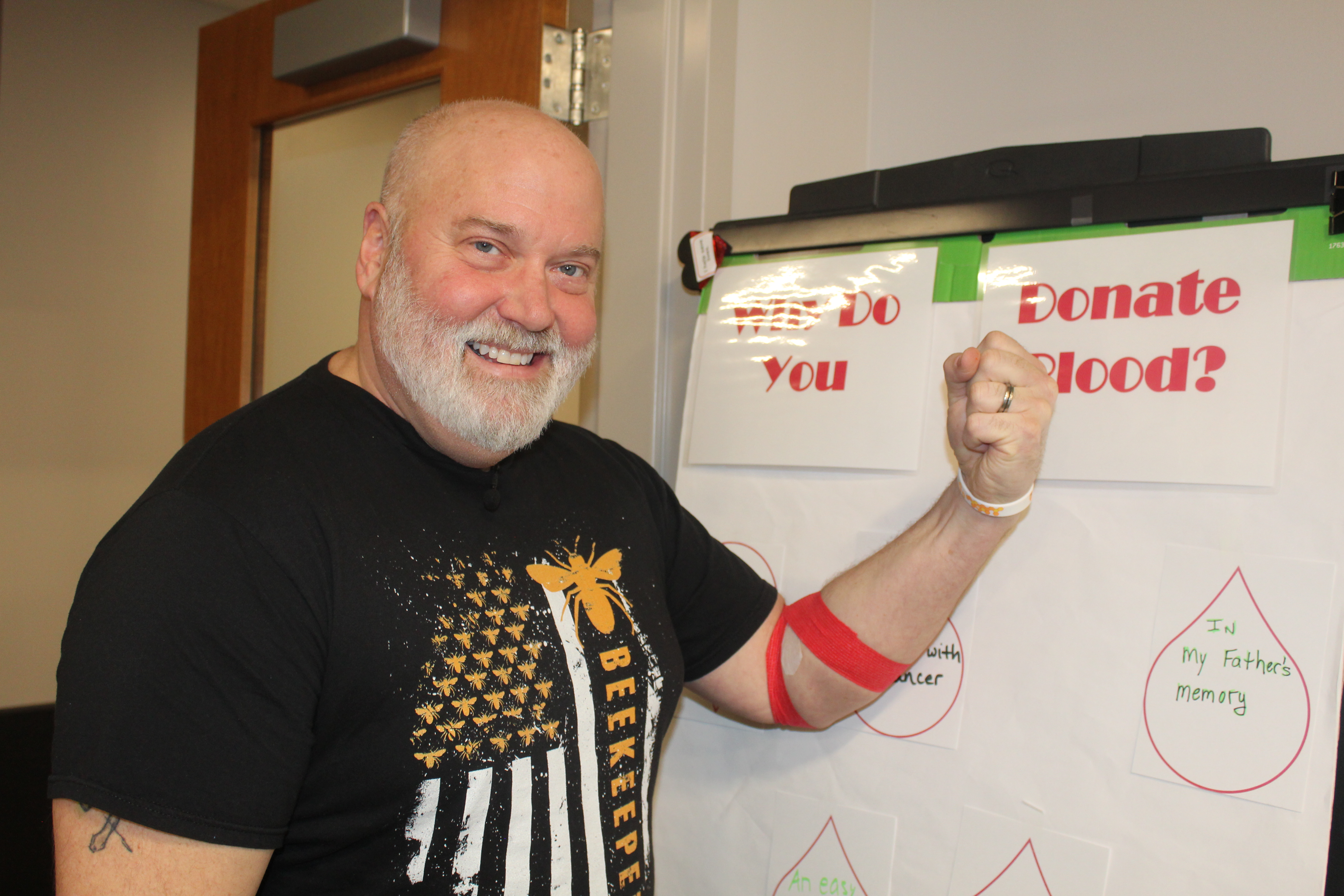
Red Cross worker and volunteer, Mark Fleischer

Both of these deferrals affected long-time Red Cross worker and volunteer, Mark Fleischer, who was able to donate blood for the first time in decades back in January of this year. You can read his story HERE and learn of his great pride in being able to donate again after years of ineligibility.

When I spoke to him back in January, he indicated that not only was he previously affected by the deferrals placed on gay men, but because of his brief time living in England back in 1992 and because of fears surrounding Mad Cow disease, he had been told he was ineligible to donate for life. Now all of that has changed with the recent modifications to blood donor eligibility requirements.

Mark Fleischer and phlebotomist Ed Leonardi

In an update since his January 2024 donation, Mark told me that he has helped organize and has participated in many successful blood drives at the Willoughby Senior Center, some of which have exceeded their goal for blood donations. He is also personally scheduled to donate blood again at the end of this month.

“Recruiting for blood donors is in full force and things are going great,” he said. He also previously told me, “You may have been deferred decades ago for something that may no longer be in place. So I want to encourage people to look at the questions that the Red Cross asks (and) look at the deferred list…those deferrals or restrictions may have been lifted.”

Mark Fleischer and Red Cross staff at blood drive

Check out the Red Cross Give Blood page to learn more about eligibility requirements, and to find a local blood drive near you.

Edited by Glenda Bogar, American Red Cross volunteer

Posted by Ryan Lang, American Red Cross board member and volunteer
Local man donates blood for the first time in decades after LGBTQ+ restrictions lifted

By Kathryn Dean

Important changes to the U.S. Food and Drug Administration (FDA) guidelines regarding blood donations mean more LGBTQ+ community members are now eligible to donate blood.

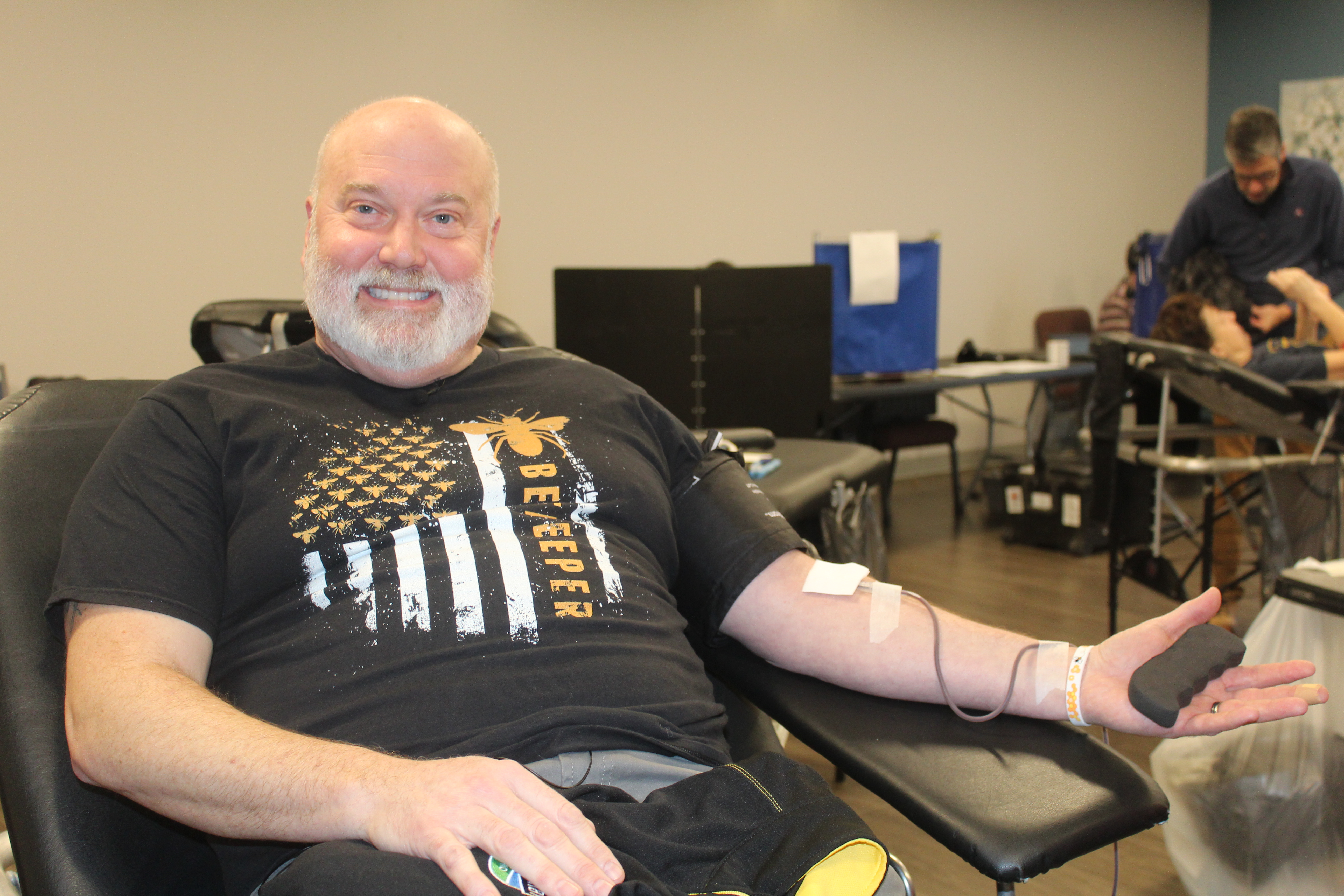
Mark Fleischer, Blood Donor

This was great news for a local Northern Ohio man and former American Red Cross employee Mark Fleischer, who donated blood last week for the first time in over three decades. For eight years, Mark worked at the Red Cross, organizing and running blood drives. He currently does the same at the Willoughby Senior Center, and so is very familiar with the eligibility rules regarding blood donations.

Under the new guidelines adopted by the Red Cross on Aug. 7 of last year, donors are now asked a standardized set of eligibility questions, regardless of sexual orientation, sex, or gender. In addition, deferrals that previously restricted gay and bisexual men from donating have now been lifted and eligibility is decided on a case-by-case basis.

As a gay man, Mark was previously restricted from donating due to rules in place since the 1980’s, aimed at preventing the spread of HIV. Risks associated with HIV are now addressed in the new, standardized questionnaire and are based on individual behaviors and health histories.

Mark said that he was pleasantly surprised to hear of the changes late last year and was eager to donate and support the cause that he holds so dear to his heart. He encourages those who have previously been given deferrals in the past to check with the Red Cross website for updated information on eligibility.

“People who may think that they’re not able to donate because of maybe a drug they are taking or because of a travel restriction . . . times have changed so I would encourage everybody to take a look because you never know. That was exactly the case for me,” Mark said.

He also wants people to know the benefits of donating blood, especially since an emergency blood shortage was declared by the Red Cross last week.

Mark Fleischer, Blood Donor

“By taking those few moments and donating, you really could be touching the lives of somebody that maybe you don’t know, but it’s a gift that you can give through that donation. It doesn’t take a lot of time and it’s really, really, rewarding. I’m really excited about it,” Mark said. “That’s what I want to encourage people to do and not just gay men, but everybody. Whatever your sexuality is, whatever your gender, whatever your race. Roll your sleeve up, come on out, and help give the gift of life. I can’t encourage people enough to do that.”

Those who would like more information on this topic are encouraged to visit the Red Cross LGBTQ+ Donors page for detailed guidance and answers to many common questions.

For more information on donating, visit the Red Cross Give Blood page. During the month of January, all donors will be automatically entered to win a trip for two to Super Bowl LVIII in Las Vegas.

Edited by Glenda Bogar, Red Cross volunteer

Posted by Ryan Lang, Red Cross board member and volunteer