Tips to keep the flu away during these last few weeks of winter

By Kathryn Dean, American Red Cross volunteer

Spring is almost here and we’ve already seen many of the signs: robins in the yard, daffodil and tulip greens emerging from the ground, budding maples, and warm, sunny days!  Unfortunately, if you’ve lived in Northern Ohio long enough, you know the cold and the snow could be lurking just around the corner.

Just as winter is not yet over, neither is cold and flu season.  According to The Ohio Department of Health, Ohio is still experiencing very high levels of flu activity, as of the week ending February 10.

The American Red Cross wants people to stay as healthy as possible so they are available to donate blood.  Remember, there is no wait time between receiving the influenza vaccine and giving a blood donation, as long as you are feeling well on the day of donation.

Here are some tips & best practices to keep the flu and other illnesses away:

  1. Wash your hands.  Most people are familiar with this common epigram; however, it remains one of the best ways to prevent illness.  Frequent handwashing, especially when coming in contact with public spaces, is your best bet against bringing unwanted diseases home with you.
  2. Avoid crowded spaces.  Spending time in close contact with others, especially during cold and flu season, increases your chances of exposure to airborne illnesses.
  3. Keep soiled hands away from your face.  When you can’t wash your hands, make sure you avoid touching your eyes, mouth, and face.
  4. Eat a healthy, vitamin-rich diet, stay hydrated, and get plenty of rest and exercise to boost your immune system.
  5. Take the flu vaccine annually.   The vaccine is an important barrier against catching the flu, and it’s not too late to get your vaccination.  Flu season typically runs through the end of March, but you can catch the flu at any time of year.

The Red Cross is in urgent need of donors to maintain an adequate blood supply.  Consider donating blood this winter season, and give the gift of life to a recipient in need.  Even a single donation can make an impact.  During the month of February, all donors will receive a $20 Amazon.com gift card.  Please visit https://www.redcross.org/give-blood.html to find a blood drive near you.

Stay well this flu season and donate blood

By Kathryn Dean, American Red Cross volunteer

Flu season is here and it’s time to start thinking about receiving your annual flu vaccination. According to the Ohio Department of Health, flu season in Ohio typically runs from October to March. However, you can get the flu at any time of the year. The American Red Cross recommends that you protect yourself and your loved ones by getting your annual flu vaccination this year.

“Vaccination is really the most effective way to protect yourself against influenza,” said Dr. Christine Schmotzer, vice chair of system pathology operations at University Hospitals in Cleveland and a member of the Board of Directors for the Red Cross of Northeast Ohio. “The flu vaccine is known to be effective at both preventing flu illness and decreasing the severity of flu illness.”

With a national blood shortage declared on Sept. 11, the Red Cross is in need of healthy donors to help meet the blood needs of more than 70 area hospitals and their patients in Northern Ohio. Only around 3% of the general population is eligible at any given time to donate blood due to a variety of factors, and when people become ill, eligibility drops even more. As flu numbers begin to climb across the country, it’s vital that healthy members of the community stay well by getting their annual vaccinations.

“It’s important to note that we recommend getting the flu vaccine every year to maximize the protective benefits,” Dr. Schmotzer said. “The protective effects of the virus decrease over a period of months, so they do not last strongly into the next season. Also, the virus changes frequently between seasons, so vaccine manufacturers modify the strains of virus in the vaccine to match the protection from season to season.”

Around 500 units of blood are needed per day in Northern Ohio and with the current shortage, it’s more important than ever to come out and donate. The Red Cross recommends that as long as you are feeling healthy and symptom-free on the day of donation, it is okay to donate. There is no wait time between flu vaccination and blood donation. This includes vaccination against COVID-19 and respiratory syncytial virus (RSV).

From now until Oct. 20, the Red Cross will be providing a $15 Amazon gift card to anyone who comes to donate blood as a thank you for your support. Visit RedCrossBlood.org or use the Red Cross Blood Donor App to schedule an appointment or find a blood drive near you.

Edited by Glenda Bogar, Red Cross volunteer

Posted by Ryan Lang, Red Cross board member and volunteer

What you need to know about the flu vaccine (and donating blood) this year

By Sam Pudelski, American Red Cross volunteer 

Fall is here, and along with it comes flu season. If you are a regular blood donor, you may have questions about the flu shot and if it will affect your ability to donate blood (Spoiler alert: it doesn’t!). Even if you donate blood less frequently or you have not donated before, the American Red Cross of Northern Ohio answers some common questions about getting the flu vaccine and shares what you need to know about donating blood this fall and winter. 

Why should people get their annual flu vaccine? 

  • Getting your yearly flu shot is the best line of defense against the flu. If you do get sick, your symptoms might not be as severe if you are vaccinated. 
  • While some people may think getting the flu is no big deal, it can be serious – even for those who are healthy. 
  • Vaccination to prevent influenza is especially important for people who are at high risk for developing serious complications from the flu. Members of their household or those who are in close, frequent contact with individuals who are high risk should get vaccinated. 

Who should get the flu vaccine? 

  • The Centers for Disease Control and Prevention recommends everyone six months of age and older should get a flu vaccine every season, with rare exceptions. 
  • There are different flu vaccines approved for different age groups and for some people, like those who are pregnant or have certain chronic health conditions. 
  • If you have any questions, talk to your primary care provider. 

What do I need to know about the flu vaccine and donating blood? 

March 11, 2019. Monroe Carell Jr Children’s Hospital at Vanderbilt, Nashville, Tennessee. Photographs from blood bank at Vanderbilt University Medical Center, blood donations at Red Cross on Monday, March 11, 2019 in Nashville, Tenn. Photo by Sanford Myers/American Red Cross
  • Getting the flu vaccine helps to support a healthy community and ensure that patients have access to lifesaving blood products year round. 
  • When you get a flu shot, you don’t need to defer or delay your next blood donation. 
  • If you do get the flu, it is important to wait until you no longer exhibit symptoms and have recovered completely before attempting to donate. 

Can I get my flu shot and COVID-19 shot at the same time? 

  • It is safe to get your flu and COVID-19 vaccination shots at the same time.  
  • Talk to your health care provider to see if you are eligible to get your COVID booster or if you have any questions. 

Where can I get a flu vaccine? 

There are several places that offer flu shots in our community. You can check with your local pharmacy or schedule an appointment with your primary care provider’s office to get your vaccine. Additionally, some local county public health departments may offer flu vaccine clinics. Check your local county health department’s website for more information.  

How frequently can you donate blood? 

Have you considered donating blood this year? If so, you should know that you can donate more than once per year. You can provide whole blood donations every eight weeks (56 days), up to six times per year. You must wait 16 weeks (112 days) between Power Red donations. Platelet donors can give every seven days, up to 24 times per year. Plasma donors can give every 28 days, up to 13 times per year. As a thank-you, all who come to give Oct. 16-31, 2022, will receive a $10 e-Gift Card by email to a merchant of choice. 

The Red Cross holds blood drives across Northern Ohio regularly. You can help save lives by giving blood. To find an upcoming blood drive near you, visit www.redcross.org/give-blood.  

Edited By Glenda Bogar, American Red Cross volunteer 

Posted by Ryan Lang, American Red Cross board member and volunteer

The Aches, the Chills, the Pail Next to the Couch

Understanding the flu can help you protect yourself and your family

By Brad Galvan, American Red Cross Communications Volunteer

Nothing can take a healthy person (or a family) down quicker than the flu. This year, hospitals have been filling up with patients who are suffering from the symptoms of the flu. The dreaded influenza (flu) bug is described by the Center for Disease Control as a contagious respiratory illness caused by influenza viruses that infect the nose, throat, and sometimes the lungs. It’s primarily spread when people cough, sneeze or talk. We are all at risk, but children and the elderly are impacted the most.

Do your part to remain healthy and to keep others safe

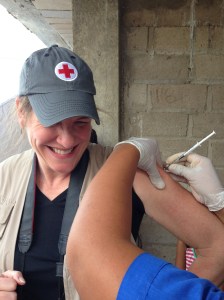
Building Resilient Communities in Colombia January 2014

Jana Sweeny
receives her annual flu shot at a
mobile health brigade in La
Guajira, Colombia         Photo credit: Roberto Brito de la Cuesta/American Red Cross 


Physicians recommend the flu shot for everyone over six months old. Ideally, the vaccination is done prior to ‘flu season,’ but it’s never too late. The vaccination is meant to protect you from the common strains of influenza. Although encouraged (and sometimes required by some workplaces, including hospitals), it’s not perfect. So what else can you do?

Debra Fast, DO, an MDVIP-affiliated internist who practices in Wooster, Ohio, says, “Aside from the annual vaccine, the most important way to prevent flu is frequent hand washing with soap and water especially prior to eating and avoidance of hand shaking. Most studies regarding taking vitamins like high dose Vitamin C for prevention of colds and flu show no benefit. Instead, we know that eating well-balanced meals and sleeping seven to eight hours a night is a great way to rejuvenate and boost your immune system.”

You unfortunately caught it – what should you do?

If you begin to feel the symptoms of the flu, it’s important to see a healthcare provider. Some antiviral drugs can help shorten the duration and reduce the severity of the symptoms. You should also do your best to stay away from others, drink plenty of liquids and rest. Once you begin to feel better, replace toothbrushes and use disinfectant sprays on everyday objects such as cell phones, remotes, door knobs, etc., that you come into contact with.

You’ve avoided the flu. Hooray! How can you help those that aren’t so lucky?

This year’s flu has caused an influx of patients to be admitted to hospitals. Those patients can contract additional complications and could need the gift of your blood – consider donating to the American Red Cross. https://www.redcrossblood.org/