Red Cross Responds to Several Weekend Disasters

Assists Searchers Looking for Missing Child; Helps Victims of Epic Flooding

A major, historic flood event is ongoing in South Carolina and parts of North Carolina. And the search for a missing child ended successfully in Trumbull County. Volunteers from the American Red Cross assisted there, and with several other disasters over the weekend.

The child, two-year old Rainn Peterson was reported missing Friday night from the family home in North Bloomfield.  Some 60 searchers spent almost 48 hours looking for the little girl, and the Red Cross provided canteen services, including food, water and warmth inside an emergency response vehicle.

In addition, cots were provided to police and FBI agents who stayed at the Emergency Operations Center Saturday night.

On Sunday, just as the sun was setting, a volunteer found the the little girl about a quarter mile from the home. The Trumbull County sheriff said she was doing “as fine as can be expected” after spending nearly two days outdoors, with temperatures that dipped into the lower 40’s and a steady rain on Saturday.

“We all wanted to see heartbreak turn into hope, and that’s exactly what happened,” said Karen Conklin, Executive Director of the Lake to River Chapter of the Red Cross. “That little girl was in our hearts the whole time.  It could have happened to any of us.”

While THAT story ended happily, the flooding on the East Coast is far from over.

This is now the wettest October on record in downtown Charleston, South Carolina, surpassing the previous record of 11.59 inches in 1959 – and it’s only the beginning of the month.

Flash flooding is ongoing and has become serious in many locations, including in Charleston, where numerous swift-water rescues were reported. Roads were closed all over the state, including portions of Interstates 77 and 20. A 75-mile stretch of Interstate 95 between Interstates 20 and 26 was closed. The heavily traveled highway through the eastern portion of the state was not closed during 1989’s Hurricane Hugo.

Widespread rainfall totals since Thursday are between 5 to 10 inches, with locally heavier amounts reported. Some coastal areas from Charleston to Myrtle Beach have recorded 10 to 16 inches. Additional heavy rainfall of between 5 and 10 inches is possible. These extreme rainfall amounts will continue to lead to widespread and catastrophic flooding and flash flooding.  It will take several days for water to recede in the region once the rain ends. A Federal Emergency Declaration has been declared for South Carolina.

“We are helping families across South Carolina that are in need of shelter, disaster relief and comfort,” said Louise Welch Williams, regional chief executive officer of the American Red Cross in South Carolina. “We are also welcoming members of the community who want to help to join us as Red Cross disaster volunteers.”

https://youtube.com/watch?v=BkUrnWI_tvA%3Ffeature%3Dplayer_detailpageframeborder%3D0allowfullscreen

The American Red Cross has opened 35 emergency shelters, helping people stay safe and dry and providing meals and emotional support. More than 200 people spent the night Sunday in a Red Cross shelter. Nearly 400 Red Cross workers, 22 emergency response vehicles and supplies for 5,000 people have been mobilized.

Additional shelters are on standby and the Red Cross is working closely with government partners to ensure immediate needs of residents are being met.

Volunteers from every Red Cross region in the Midwest, including Northeast Ohio, responded to a variety of disasters over the weekend. We respond to nearly 70,000 disasters every year, from home fires to wildfires, flooding and more.

In addition to flooding, we are still helping people impacted by the wildfires in California, a blizzard in Alaska, and the school shooting in Oregon, where volunteers are providing mental health support and assistance at community events.  And in Florida, more than a dozen Red Cross volunteers are providing emotional support and other assistance for the families of the seamen aboard the cargo ship El Faro, which sank during Hurricane Joaquin last week.

You can help by donating to Red Cross Disaster Relief by visiting redcross.org, calling 1-800-RED CROSS or texting the word REDCROSS to 90999 to make a $10 donation. Donations to Disaster Relief will be used to prepare for, respond to and help people recover from disasters big and small.
Red Cross partners with TeamSmile at Progressive Field Event

On July 15, the American Red Cross of Northeast Ohio partnered with TeamSmile to present the Pillowcase Project to nearly 300 children. The event, organized by TeamSmile, featured a group of local dentists, hygienists and educators who volunteered their time and talents to provide free dental care to underserved children during the one-day event at Progressive Field.

The children were moved through stations that included a preliminary exam, x-rays, cleaning and other work deemed necessary. While waiting for their turn in a dentistry chair, each child had the opportunity to learn more about being prepared for a disaster through the Red Cross Pillowcase Project.

“The ability to partner with TeamSmile presented the perfect opportunity to give back to our community by teaching the children who participated in the program how to be prepared for an emergency,” said Steve Trisler, Regional Disaster Officer for Northeast Ohio.

The Red Cross Pillowcase Project, sponsored by Disney, is a preparedness initiative created for children ages 7 to 11. It teaches the basics of how to stay safe during an emergency, what to have in an emergency kit and how to cope during an emergency. The program is fully customizable to the region; in Northeast Ohio the Red Cross teaches children about home fire safety, tornado safety, flooding safety and winter weather safety. At the end of the course each child is given a pillowcase and the opportunity to illustrate their own emergency kit needs.

TeamSmile is the nation’s premier oral health advocacy group. They partner with sports organizations across the nation to promote the message that oral health care is vitally important to long-term health.

This slideshow requires JavaScript.

Everything You Need to Know in New All-in-One Red Cross Emergency App

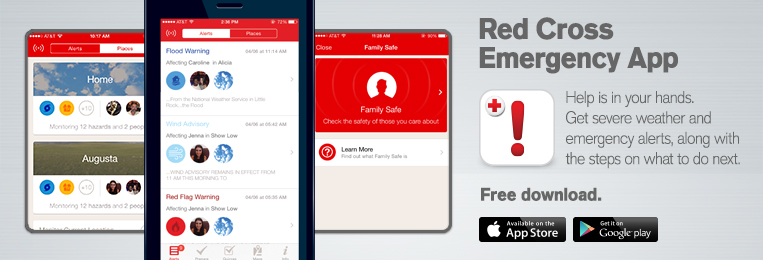
The new, all-inclusive Emergency App from the American Red Cross provides people with instant access to emergency alerts, life-saving information, and ways to contact family and friends in one free, easy-to-use app for smart phones and tablets.Emergency App

The Emergency App is a single ‘go-to’ source for everything from home fires to hurricanes. It includes content from a group of award-winning Red Cross apps with additional information about what to do in case of 14 different types of emergencies and disasters. Users can customize more than 35 emergency alerts based on their location and where loved ones live.

The app includes a new featured called “Family Safe” that allows the app user to notify loved ones who are in an area affected by an emergency or disaster. The recipient can instantly see the alert details as well as specific “what to do now” steps, and then respond with either “I’m safe” or “I’m not safe.” This feature works even if the recipient has not downloaded the Emergency App. In addition to smartphones and tablets, this feature will be available on the new Apple Watch and can be downloaded from the Apple Watch App Store starting April 24.

Other important features include:

  • Emergency first aid information for situations such as heart attacks, heat-related emergencies as well as water safety information;
  • Preloaded content so users can access guidance from Red Cross experts even without mobile connectivity;
  • A single map with open Red Cross shelter locations and weather information;
  • A home fire section with detailed prevention and safety tips as well as Red Cross “After the Fire” information;
  • “Make a Plan” feature to help families plan what to do and where to go if a disaster strikes; and
  • The ability to easily toggle between English and Spanish.

The app is available in app stores by searching for the American Red Cross or by going to redcross.org/apps.

Red Cross apps have been downloaded more than 6 million times and nearly 400 million alerts have been sent since the launch of the first app in 2012. While apps can help prepare someone for disasters, it’s important to note that they are not substitutes for training. People can take Red Cross First Aid and CPR/AED courses so they’ll know what to do in case help is delayed. They can get information and register at redcross.org/TakeAClass.

Basement Flooded? Follow these four safety steps.

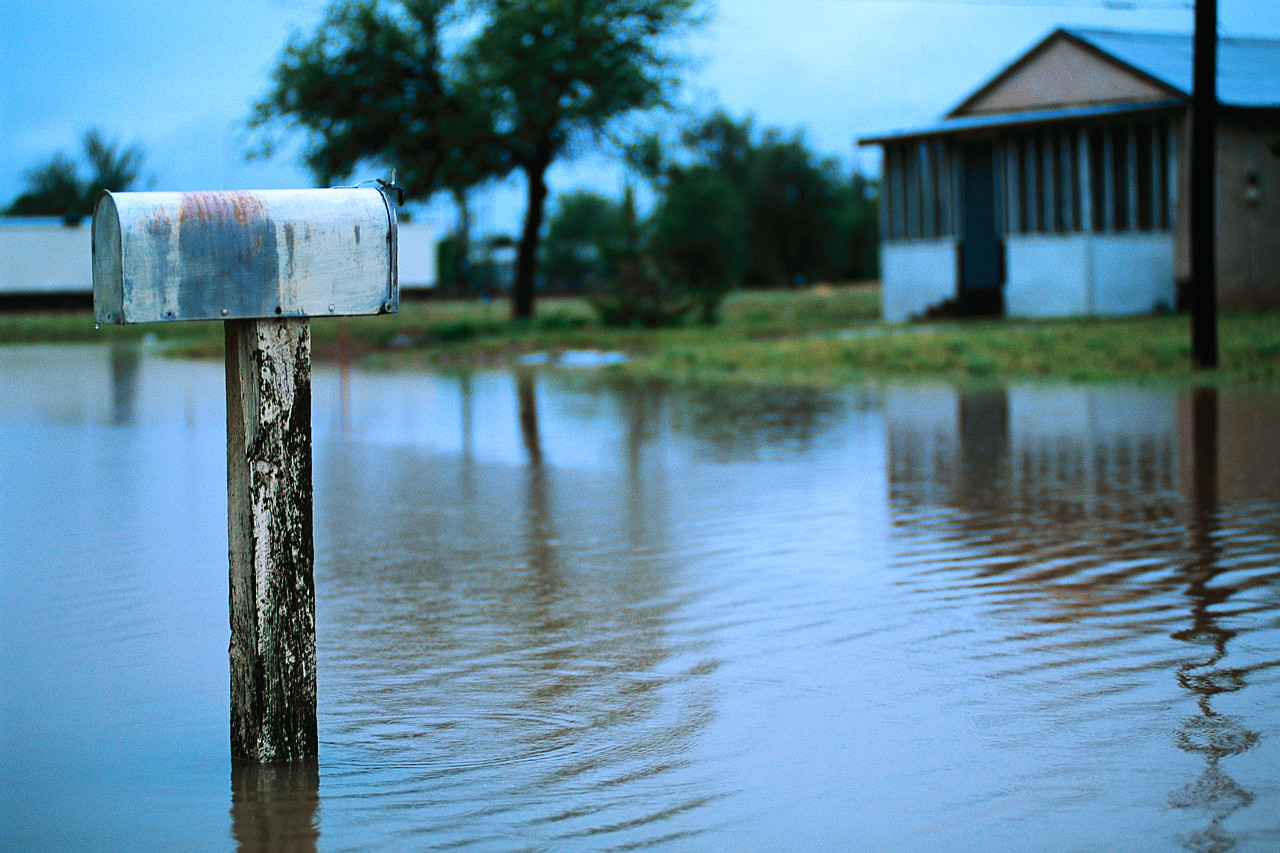
Mailbox in Flood WatersStep #1: Stay SAFE!

Don’t risk serious injury if your basement floods. A flooded basement can be a serious health and safety risk. If your basement floods, follow these rules to make sure your family stays safe.

  •  Avoid venturing down into the basement if possible. In a severe basement flooding situation (water covering the basement floor to a depth of an inch or more), it’s best to stay out of the basement until the water is pumped out. Standing water in your basement can contain harmful bacteria.
  • Never touch electrical wiring or fixtures. If you must venture down into a flooded basement, wear waterproof rubber boots. Avoid touching or using electrical devices (except for a battery-powered flashlight) because this puts you at risk of electrical shock or electrocution.
  • Have standing water pumped out as soon as possible.


Step #2: Determine the cause of your flooded basement.

Sometimes the source of unwanted water is obvious –as with a burst water line or sewer backup. In other cases, water may be leaking into your basement for different reasons. If it is not obvious what caused your flooding, contact a licensed professional for an inspection.

Step #3. Remove water-damaged items and begin cleanup.

Are there wood-framed walls finished with drywall in your basement? If so, the lower section of these walls is likely to retain moisture and attract mold –even without a major basement flood. Take precautions for safety, but begin clean up as soon as possible. Eliminate the source of the flooding first, then clean up and toss out anything that is contaminated, using bleach and similar household cleaners. Bleach is the best cleaning product to kill mold, mildew and bacteria.

Step #4. Mitigate future flooding.

There are a number of ways you can mitigate future flooding loss by installing preventive equipment and valves, raising the height of critical utilities and appliances off the floor or out of your basement entirely, and simply keeping gutters clean. Make sure the ground around your home slopes away from your foundation. Raising the electrical outlets in your basement can also alleviate electrical shorts and injury due to shock. Acquire flood insurance.

For more information, download this helpful check list and information sheet: Basement Flooding – Safety and Clean-up Checklist

Is there still wicked weather raging over your house? Learn what to do before, during and after a flood. Download the Flood Safety Checklist, check out the Red Cross Flood App (available for iOS and Android) or visit the American Red Cross Flood Safety page.

Learn more about Flood Safety Awareness with a new app from the Red Cross

On average, there are 89 fatalities and more than $8.3 billion dollars in damage each year as a result of flooding. Floods and flash floods are the most common, and costliest, weather related disaster in the United States. The National Oceanic and Atmospheric Administration (NOAA), the organization that monitors and manages weather and ocean related data, predicts that minor flooding will occur this spring in Northeast Ohio. That prediction does not take in to consideration the potential for flash flooding, a type of flooding that occurs when water rises in a short amount of time, quickly with little or no warning.

In an effort to get the word out about the deadly nature of flooding, NOAA and the Federal Emergency Management Agency (FEMA) observe Flood Safety Awareness week from March 16 through 22.

Screen Shot from the Flood App, now available from the American Red Cross.

Screen Shot from the Flood App, now available from the American Red Cross.

To celebrate, the American Red Cross released a free, Flood app.  The app helps users gain more information about how to prepare for and respond to a flood in their area. It features interactive quizzes and awards users with badges that can be shared on social networks.

Want to build an emergency kit in preparation? The app can help with that!

Most importantly, the app can be used during a flood. It provides an audible and location specific alert when a Flood Warning or Watch is in effect, plus a toolbox of helpful features such as turning a smart phone’s camera flash into a flashlight and helping the user post the message “I’m safe” on social networks. It will also map out area Red Cross shelters.

The app is available in the Apple App Store and the Google Play Store or visit redcross.org/apps