
By Eilene E. Guy, American Red Cross volunteer
“Sickle Cell disease is the most common inherited blood disorder in the United States,” and Colleen Meadows is bound and determined to make that fact common knowledge.
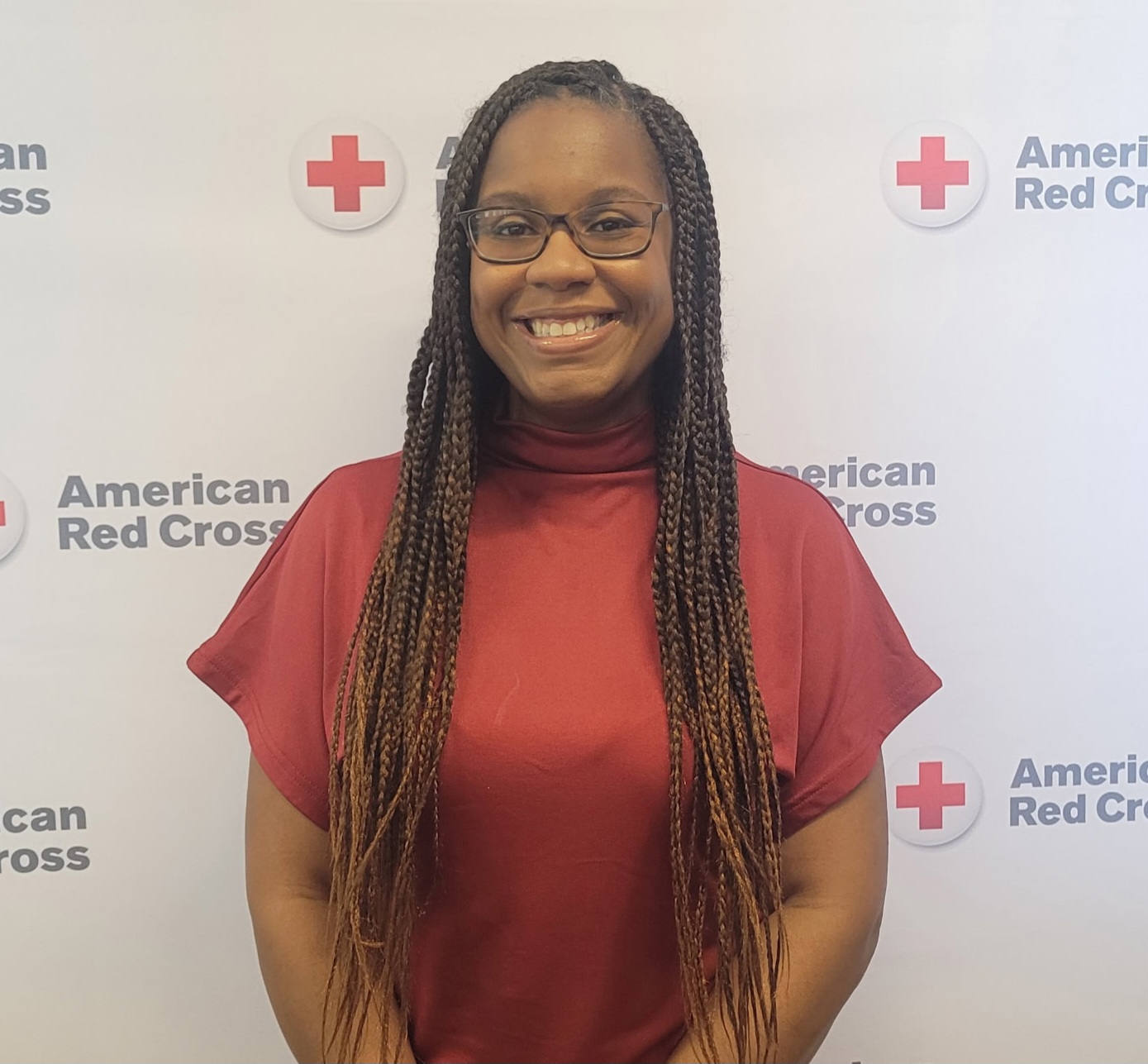
Colleen has made it her full-time mission as emerging markets manager for the American Red Cross in Ohio.
But it’s not just knowledge she wants to spread. She wants action! “I want to increase awareness of sickle cell disease to get more Ohioans – especially those of African American descent – to step up and donate blood.”
More than 100,000 people in America – primarily those of African American descent – live with sickle cell disease. The disorder causes red blood cells to curve into a “C” or sickle shape, which in turn makes the cells more likely to clump and weakens their ability to carry oxygen.
Regular blood transfusions help prevent strokes and treat anemia, periodic episodes of excruciating pain called “sickle cell crises” and life-threatening damage to internal organs. Blood from donors of the same racial and ethnic heritage contains antigens that help counteract patients’ pain and injury.
“Sickle cell is an internal condition. You can’t see it,” Colleen told me. “Everything they (patients) go through is dire.”
Colleen is well aware of the legacy of mistreatment African Americans have experienced at the hands of the healthcare establishment, so she stresses the fact that their blood is uniquely suited to fellow African Americans. The problem is that while one in three African American blood donors is a match for sickle cell patients, they make up less than 3% of the total number of donors.
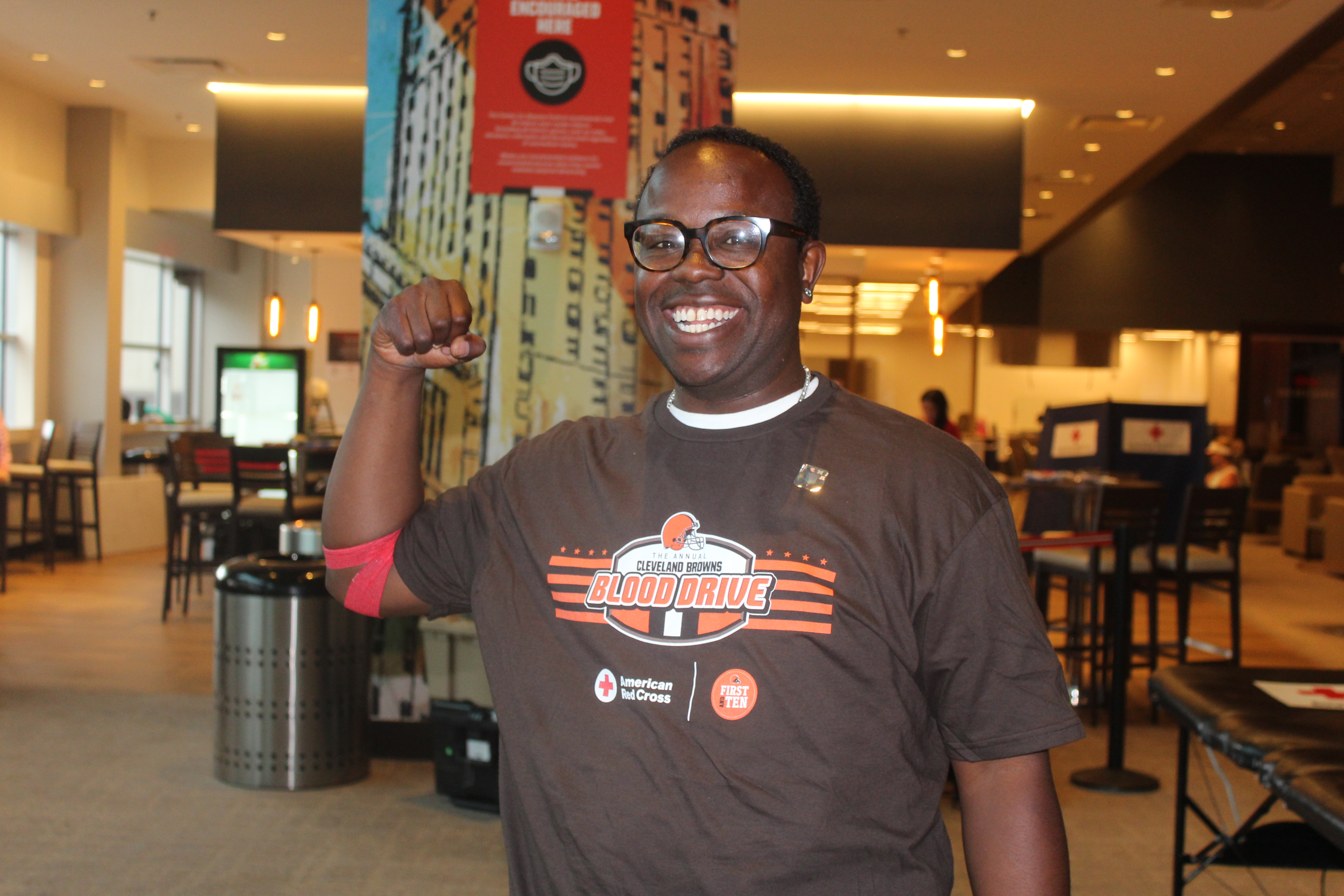
“The Red Cross is committed to increasing and widening the donor base in order to meet the needs of the whole diverse population of this country,” she says.
Colleen’s focus isn’t limited to African Americans. She’s also working to connect with Latino and LGBTQ+ populations which haven’t historically been welcomed into the ranks of blood donors. She’s recruiting trusted community leaders to spearhead awareness and donation events, and she’s teaching prospective donors how to prepare for a successful donation experience.
Colleen began her “career in blood” almost two decades ago when she became a Red Cross phlebotomist. For years she was dedicated to making every donor’s “jab” as comfortable as possible, to encourage repeat donations.
But for the past year she’s shifted to outreach to boost and broaden those donor numbers. And she’s encouraged by the response. “In one year, we’ve seen a lot of changes. The numbers (of donors) have gone up significantly and we’ve had a lot more first-time drives,” she says.
Colleen encourages everyone who can to make a blood donation, especially now, when severe winter weather and seasonal illness has led to a nationwide blood shortage. Schedule your donation by visiting RedCrossBlood.org, using the Blood Donor App, or calling 1-800-RED-CROSS.

 NOHredcross