Grateful mother encourages others to donate blood after experiencing hemorrhage during birth

By Kathryn Dean, American Red Cross volunteer

In some situations, it takes a village of people to save one persons life.”  – Dr. Kristin Gype 

Last August, 38 weeks pregnant with her second child, Dr. Kristin Gype went in to see her doctor for a routine checkup and ultrasound. Everything had been going smoothly with this pregnancy, but at this appointment, the staff noticed that her amniotic fluid appeared cloudy on the scan. As a precaution, her doctor recommended that she deliver within 24 hours.  

Dr. Kristin Gype and her daughter,

Feeling a bit unnerved at this unexpected turn of events, she called her husband, reluctantly gathered her belongings, and dropped her daughter off at her mother-in-law’s house.  As she hugged her daughter goodbye, Kristin had a powerful urge to squeeze her extra tight and hold on a little longer. 

A few years earlier, she had undergone a C-section with the birth of her daughter and was determined this time to try a natural birth. At the hospital, labor was induced and she received an epidural as she waited for her son to be born. Sometime overnight, they broke her water, and it was perfectly normal. She felt a wave of relief, but also a hint of frustration.

Later that morning, she noticed that her son’s fetal monitor was showing his heart rate dipping periodically into the 30s. A normal fetal heart rate is around 110 to 160 beats per minute. She was also feeling pain in her lower right abdomen. Despite the anesthesiologist administering more medicine, the pain persisted. 

Due to the low heart rate, it was determined that a C-section was necessary, and she went in for emergency surgery. Her son was born in under 90 seconds and was perfect and healthy, but she quickly realized something else was seriously wrong.   

Having attended many C-sections during her career as a nurse anesthetist, Kristin understood the subtle cues the medical staff were giving. She soon realized that she had uncontrolled bleeding and they were trying desperately to stop it.   

“I felt this impending doom,” she recalled. “I felt like I was dying…it truly felt cold and dark, and gloomy, and there was no control.” 

She began losing her ability to communicate coherently with her husband and staff.  At one point they informed her that a total hysterectomy was necessary to try to stop the bleed and she readily agreed. The next thing she knew she woke up in recovery in the ICU.   

After speaking to her doctor the next day, she learned that she had required a total of 52 units of blood during her surgery. To put that number into perspective, the average human body holds around 10 units or pints of blood. In addition, she estimates that up to 83 blood donors were required to produce all of the blood products she needed that day. 

Luckily, she suffered no long-term consequences from this traumatic incident. Today she has a new life perspective, realizing that she was literally saved from the brink by the generous blood donors who contribute to the crucial blood supply in our community.  

To give back, she has been donating her extra breast milk to the Ohio Milk Bank. “I went on to donate 3,500 oz of breast milk,” she proudly explained. “The milk bank providers said 1 ounce of breastmilk can give three meals to a newborn ICU patient.” 

Regarding her blood donors, she reflected, “Those people had a ripple effect. They kept me alive, kept these two babies’ mommy alive. I get to go to work and take care of people and keep them alive, and my breastmilk goes to critically ill babies.”   

“It seems so simple because putting a needle in your arm and donating a pack of units is so minor compared to the downstream effects of all those things. You give somebody another Christmas, give somebody another chance at life.” 

The American Red Cross is in critical need of blood donors. Just one hour of your time could save the life of a new mother or other critically ill patient. To donate, visit RedCrossBlood.org, or download the free American Red Cross Blood Donor App by clicking HERE.

Edited by Glenda Bogar, American Red Cross volunteer

Michigan woman loses battle with ALM

By Kathryn Dean, American Red Cross volunteer

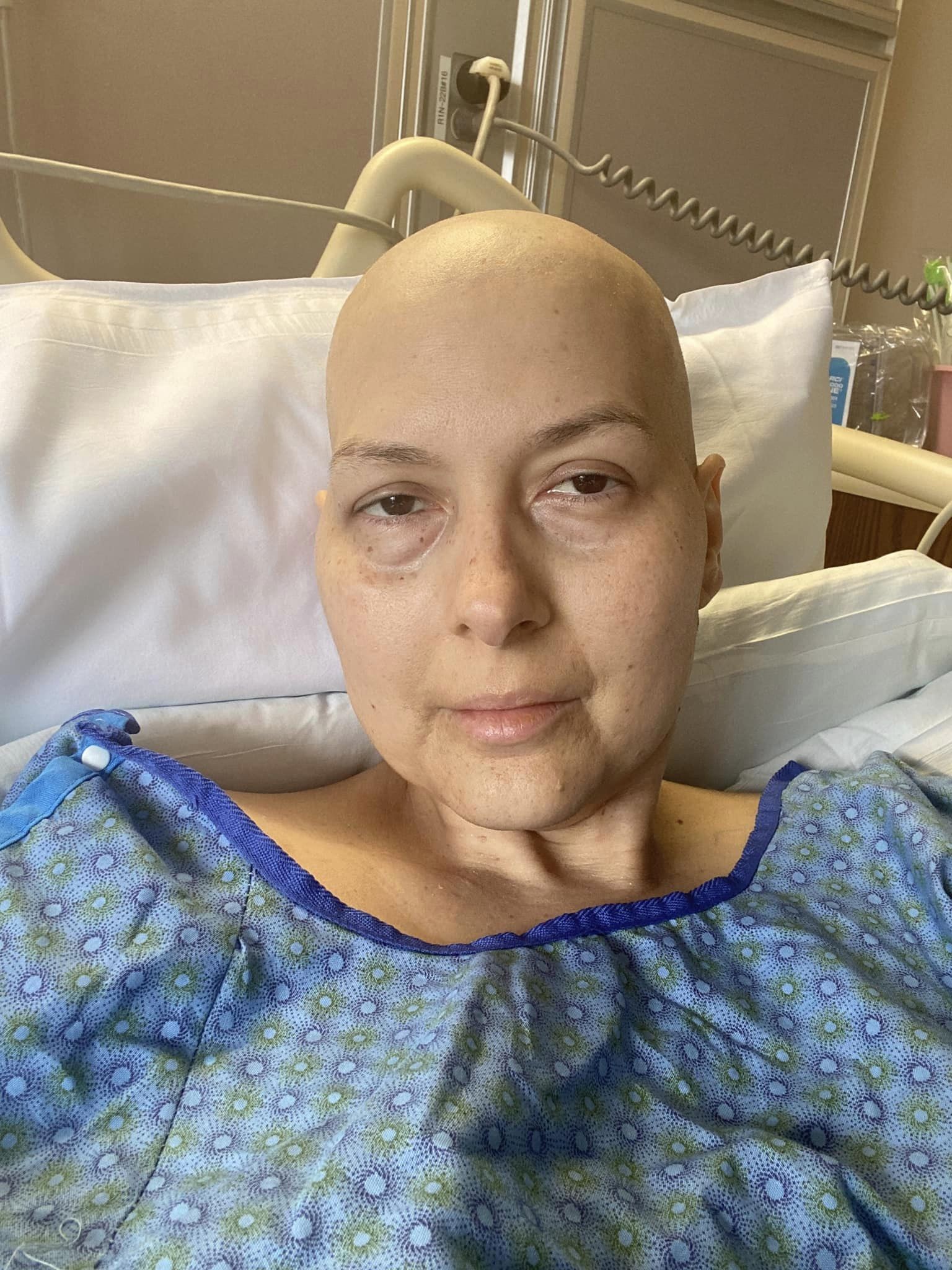
Editor’s Note: Jennifer Koerber passed away 16 days after this story was posted. We mourn her loss, and hope her story of strength and resilience inspires others to donate blood.

Jennifer Koerber first knew something was wrong last year when she would catch her son’s colds and it would take a long time to recover. Then, the Monroe County, Michigan woman began having severe fatigue, pale lips and gums, a rapid heart rate, and she would even pass out sometimes. She discovered what she was experiencing were the symptoms of aplastic anemia, a condition where not enough red blood cells are being produced by the body for it to function normally. Red blood cells are essential for carrying oxygen to the organs and other parts of the body. She required a blood transfusion to bring her hemoglobin levels back to a normal level during her first hospital stay.

Jennifer Koerber – from Facebook, with permission.

It took many more months of visiting different doctors and hospitals before she finally got her diagnosis, Acute Myeloid Leukemia (AML). AML is a type of leukemia that affects blood cell production in the bone marrow. Large numbers of abnormal cells called myeloblasts are created in the bone marrow, which in turn crowd out red blood cells, platelets and white blood cells that are normally found in the bloodstream. This leads to an array of symptoms, including a weakened immune system, anemia, bruising, shortness of breath, weakness and bleeding.

During her treatment over the past year and a half, Jennifer was reliant on blood transfusions to replace the missing blood components that her body can no longer efficiently make.

“I do rely on the American Red Cross,” Jennifer said while receiving treatment. “I am transfusion dependent, meaning I cannot live without receiving blood.”

Due to chemotherapy and the nature of AML, Jennifer relied on infusions of packed red blood cells and platelets to keep her blood levels in check.

Jennifer Koerber – from Facebook, with permission.

Jennifer encouraged people to donate blood.

“I really urge people to know that it’s not just about donating money … you could simply donate blood to save a life, and it’s free,” Jennifer said. “Also, there’s a misconception about where the help goes, because there are multiple things the Red Cross does to help people, not just in disasters. They help local people who are transfusion dependent for blood.”

Schedule an appointment or find a local blood drive near you by visiting redcrossblood.org or by downloading the Red Cross blood donor app.

Posted by Ryan Lang, Red Cross board member and volunteer

Edited by Glenda Bogar, Red Cross Volunteer

Surgeries don’t stop for the holidays and neither does the need for blood

By Christy Peters, American Red Cross Regional Communications Manager

I haven’t spent much time in casinos, but I’ve heard many of them have no clocks or windows visible, on purpose. With no concept of hours passing, much less whether it’s day or night, it’s much easier to part with one’s money. I recently discovered another, much less fun place where time flies by but also stands completely still – a hospital waiting room.

Christy Peters, with her father Dave

A week ago, my father underwent open heart surgery to replace his mitral valve. My father is
very healthy and has never had major health issues, so it was difficult to wrap my head around him having such a major surgery. As we waited with him before he was taken to the operating room, he mentioned that he was asked by the nurse if he would take a blood transfusion, should the need arise during his surgery. He found it ironic, since his daughter works for the American Red Cross. All I could think of was the number of times I’d told someone “You never know when someone you love may need a blood transfusion.”

The winter months are always a difficult time for the Red Cross to collect blood. That difficulty increases when you consider the Centers for Disease Control and Prevention is predicting a serious spread of flu, already reporting an early spike in cases in several states. When seasonal illnesses increase, the number of healthy donors tends to decrease, leaving the Red Cross blood supply vulnerable to a potential shortage over the holidays. Donors − especially those with type O blood and those giving platelets − can help bolster the blood supply now by making an appointment to give in the coming weeks.

Dave, the author’s father, with Reid, one of his eight grandchildren

Thankfully, my father’s surgery was a complete success, and he didn’t need a transfusion. I know that is not always the case. My dad was one of hundreds of patients going into surgery that day, many probably facing a procedure more complicated than his. And I was one of hundreds of daughters, sons, wives and husbands hoping that, if the need arose, blood would be available for the person I love. Available because a stranger I didn’t know took an hour out of their day to give blood. So, to all of you who give and will give, thank you. You each make the long wait in a hospital a little easier for families like mine.

Mom makes plea for diverse blood donors

By Theresa Carter, guest blogger and proud supporter of the American Red Cross of Greater Akron and the Mahoning Valley

In the U.S., it is estimated that over 100,000 people – the majority of whom are of African descent – have sickle cell disease and may require blood transfusions throughout their lifetime to help manage their disease.

Theresa Carter, speaking at the Acts of Courage Awards in March, 2022

The American Red Cross has launched a national initiative to grow the number of blood donors who are Black to help patients with sickle cell disease and improve health outcomes.

Sickle cell disease is an enduring – and often invisible – health disparity in the U.S. Despite the discovery of the disease more than a century ago, there has been fewer health resources available to help those currently suffering from sickle cell disease in comparison to similar diseases.

The Red Cross currently provides sickle cell trait screening on all donations from self- identified African American donors. This additional screening helps the Red Cross identify compatible blood types more quickly to help patients with sickle cell and provides our African American donors an additional health insight during a time when health information has never been more important.

This cause is near and dear to my heart because both my daughters have sickle beta thalassemia disease, a minor form of sickle cell. You see, I have a sickle trait and their father has the thalassemia trait. We had no clue until our children were born that we had these traits and that our girls would have this disease. Therefore, screening is so very important…. just to know; to understand the cause and then educate ourselves so that we can be our best advocates if and when the time arises for medical care.

Garvin and Theresa Carter with daughters Erin and Cesily

Please take action today and schedule a blood donation appointment by visiting RedCrossBlood.org, using the Blood Donor App or calling 1-800-RED CROSS.

Editor’s note: Regular blood transfusions are critical to managing extreme pain and life threatening complications faced by many. Unfortunately, they may develop an immune response against blood from donors that is not closely matched to their own. However, because most individuals who are Black have unique structures on their red blood cells that are not often found in other donor populations, 1 in 3 African American blood donors is a match for people with sickle cell disease.

Sickle cell disease distorts soft, round blood cells and turns them hard and crescent-shaped, which can cause severe pain. “When cells harden, they can get caught in blood vessels, potentially leading to stroke and organ failure,” says Dr. James Westra, Regional Medical Director. “Transfusions provide healthy blood cells, unblocking blood vessels and delivering oxygen, minimizing crises patients with sickle cell may face.”

Seasonal changes can trigger pain crises for those battling sickle cell – possibly increasing the need for lifesaving blood transfusions. As summer ends, book a time to give blood by using the Red Cross Blood Donor App, visiting RedCrossBlood.org or by calling 1-800-RED CROSS (1-800-733-2767). As a thankyou, all who come to give through Sept. 18 will get an exclusive Red Cross T-shirt, while supplies last.

Posted by Ryan Lang, American Red Cross board member and volunteer

Blood donations save newborn baby’s life

Quote

A mother’s perspective and plea

By Lauren Hancharick, guest blogger

Camden was 3 weeks old when he received his blood transfusion Aug. 22, 2019. He spent 20 of his first 23 days of life in and out of the hospital three different times. Once he was discharged and readmitted into the same hospital two times, not including his birth, we were finally sent to University Hospitals Rainbow Babies & Children’s Hospital. He had many blood tests every day and by the time he reached 3 weeks old, his blood had reached dangerously low levels. I will never forget the wave of emotions that came over me when they came into the room and told me that.

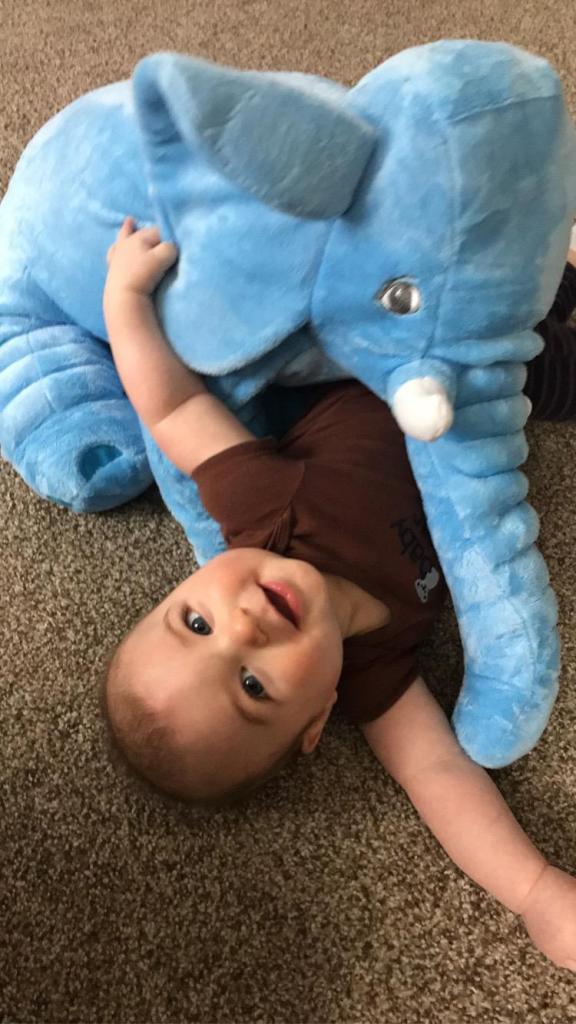
Camden

My first question as his mother was “Can I donate?” That was when I was informed that I was not able to donate because of the cleaning process that the blood must go through, as well as the virus CMV that 90% of the population carries. I was completely at the mercy of some kind stranger to save my newborn son’s life.

Today Camden is 6 months old and living at home, instead of a hospital! He is the happiest baby I have ever met and loves to smile and laugh. He loves his milk, to roll, and to chew on anything and everything you will allow! Camden is doing very well. He is just being monitored. Receiving the blood transfusion seems to be the turning point in his illness.

I am unsure how you measure units of blood but at 3 weeks old, he received two full syringes of blood. (The very large ones put into the transfusion machine).

Camden’s illness completely rocked his family. He is the first grandchild on both sides of the family and the first great grandson on his father’s side. I stayed in the hospital with him the whole time he was there, and his dad stayed until he had to return to work. My husband had run out of time off, unfortunately. The rest of his family visited often.

Since then his mom will tell anyone who will listen about the importance of donating blood, for the babies! His mom and dad also have donated twice since things calmed down and plan to donate regularly for the rest of their lives.

Camden family (002)

I always say “thank you,” with tears in my eyes to people who donate regularly. I hugged a total stranger at a blood drive the other day because I found out she was CMV negative and donates as much as possible. I also always tell people that it really makes a difference and that I wouldn’t have my son today if it wasn’t for a complete stranger’s kindness.

I have posted many times on social media to motivate people to donate. I always inform them that babies do not make blood for the first two to three weeks of their lives so any baby with illnesses at birth are at risk of needing a transfusion. I also include information about the CMV virus so they know only a very select few people who donate can actually have their blood given to a baby.

I believe most people think, “If someone I know needs it, I’ll donate” but it does NOT work that way. A completely anonymous donor has to have given at least a week before it is received so it can go through the very important process of cleaning and testing the blood so it is safe for you or your loved one to receive. My son had been inside me three weeks prior and they would not take my blood to give to him. I especially want to motivate people for the babies. But as mothers it never really matters how old our children are, they are always our babies.

When you donate, you save someone else’s baby. It’s as simple as if you or a loved one were in need, you would want someone else to think it was worth their time to spend 20 minutes one day to donate. I know a lot of people have fear of needles, but I just ask them to imagine the fear a mother experiences when she finds out her child, especially a newborn, needs a blood transfusion. When you donate blood, you save someone else’s baby, someone else’s spouse, someone else’s parent, or just someone else. IT IS WORTH IT! IT IS FREE! IT IS IMPORTANT!

Edited by Glenda Bogar/American Red Cross volunteer