Sickle Cell disease and the importance of diverse donors

By Eilene E. Guy, American Red Cross volunteer

“Sickle Cell disease is the most common inherited blood disorder in the United States,” and Colleen Meadows is bound and determined to make that fact common knowledge.
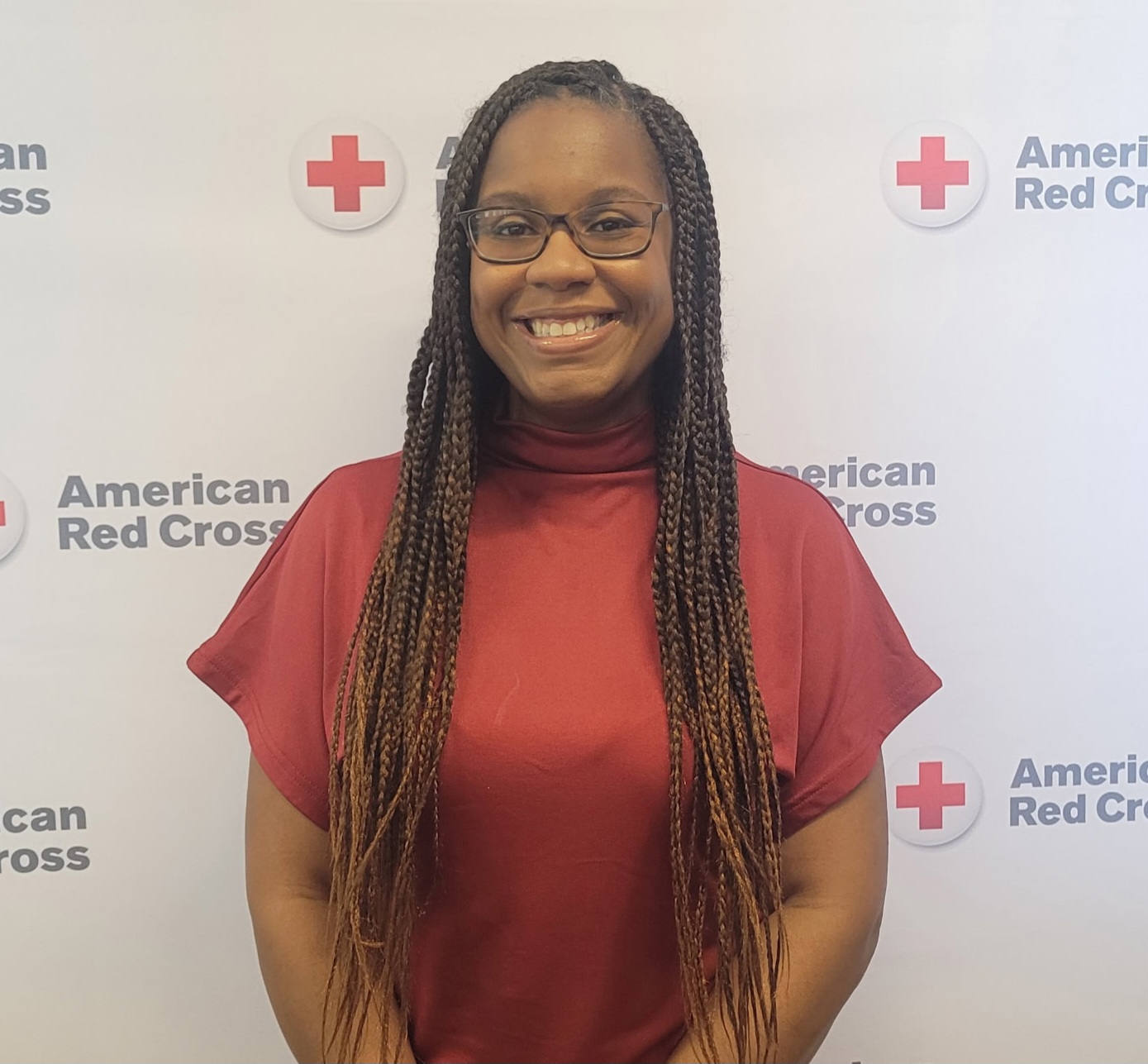
Colleen Meadows, Emerging Markets Manager

Colleen has made it her full-time mission as emerging markets manager for the American Red Cross in Ohio.

But it’s not just knowledge she wants to spread. She wants action! “I want to increase awareness of sickle cell disease to get more Ohioans – especially those of African American descent – to step up and donate blood.”

More than 100,000 people in America – primarily those of African American descent – live with sickle cell disease. The disorder causes red blood cells to curve into a “C” or sickle shape, which in turn makes the cells more likely to clump and weakens their ability to carry oxygen.

Regular blood transfusions help prevent strokes and treat anemia, periodic episodes of excruciating pain called “sickle cell crises” and life-threatening damage to internal organs. Blood from donors of the same racial and ethnic heritage contains antigens that help counteract patients’ pain and injury.

“Sickle cell is an internal condition. You can’t see it,” Colleen told me. “Everything they (patients) go through is dire.”

Colleen is well aware of the legacy of mistreatment African Americans have experienced at the hands of the healthcare establishment, so she stresses the fact that their blood is uniquely suited to fellow African Americans. The problem is that while one in three African American blood donors is a match for sickle cell patients, they make up less than 3% of the total number of donors. 
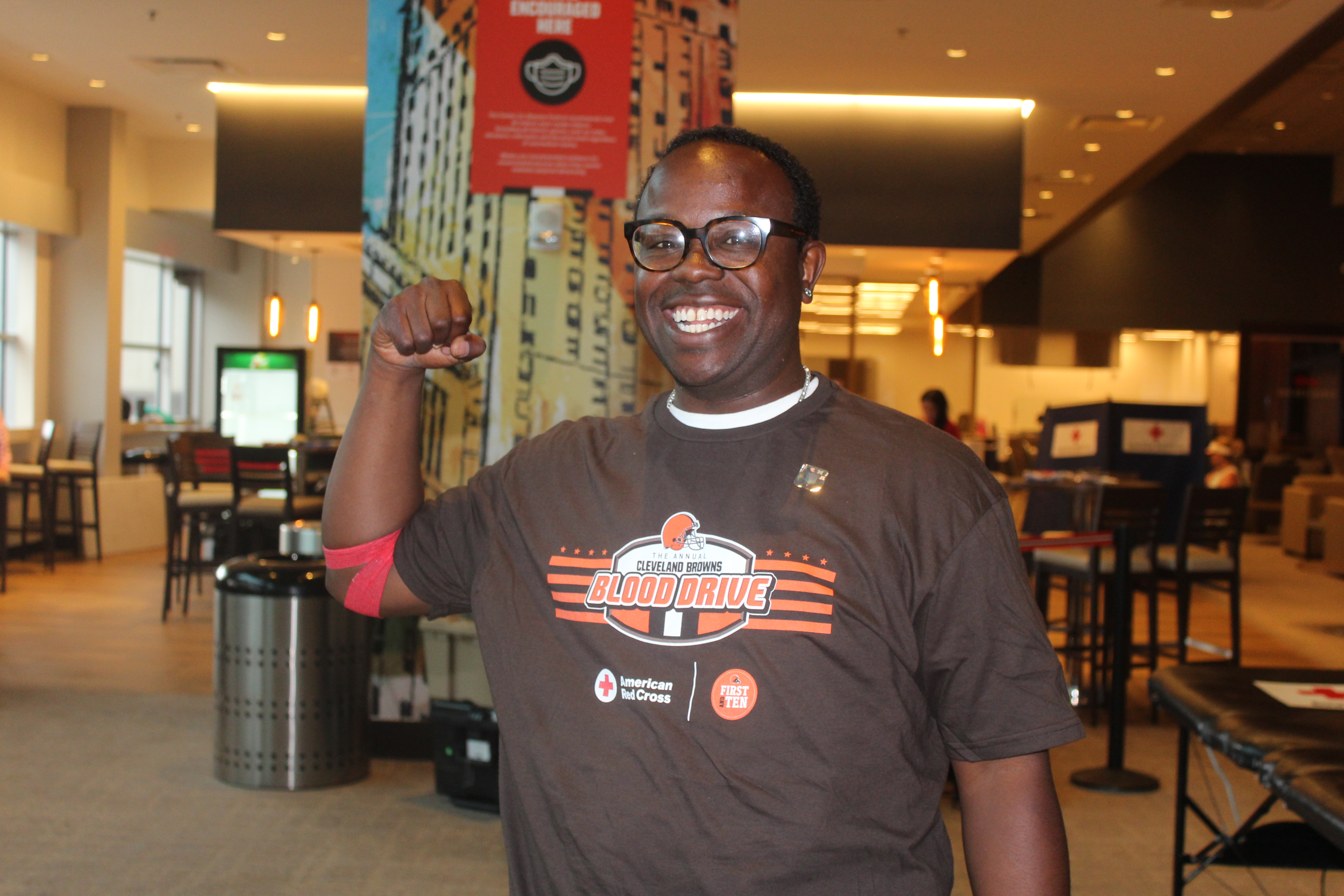
“The Red Cross is committed to increasing and widening the donor base in order to meet the needs of the whole diverse population of this country,” she says.

Colleen’s focus isn’t limited to African Americans. She’s also working to connect with Latino and LGBTQ+ populations which haven’t historically been welcomed into the ranks of blood donors. She’s recruiting trusted community leaders to spearhead awareness and donation events, and she’s teaching prospective donors how to prepare for a successful donation experience.

Colleen began her “career in blood” almost two decades ago when she became a Red Cross phlebotomist. For years she was dedicated to making every donor’s “jab” as comfortable as possible, to encourage repeat donations.

But for the past year she’s shifted to outreach to boost and broaden those donor numbers. And she’s encouraged by the response. “In one year, we’ve seen a lot of changes. The numbers (of donors) have gone up significantly and we’ve had a lot more first-time drives,” she says.

Colleen encourages everyone who can to make a blood donation, especially now, when severe winter weather and seasonal illness has led to a nationwide blood shortage. Schedule your donation by visiting RedCrossBlood.org, using the Blood Donor App, or calling 1-800-RED-CROSS.
First-time blood donor leads efforts to increase donations to aid those with sickle cell disease

By Eilene E. Guy, American Red Cross volunteer

When Dr. LaTrice Snodgrass puts her mind to a project, she goes all in.

Recently, she partnered with the American Red Cross and others to stage a blood drive targeted at the Black community, to benefit people living with sickle cell disease (SCD).

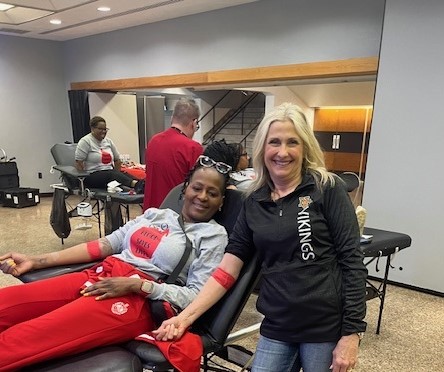
Dr. LaTrice Snodgrass and Kim Kroh, executive director of the Heartland, Stark and Muskingam Lakes chapter of the Red Cross

Not only did she spearhead the event, she literally rolled up her sleeve to donate blood – for the first time.

Through this donation, LaTrice learned that her blood is negative for three components, which makes her an ideal SCD donor. Blood transfusions from donors like LaTrice are vital to let SCD patients live comfortable, healthy lives.

LaTrice knows the importance of blood donations from her own racial community. More than 100,000 Americans — mostly African Americans — have sickle cell disease, which causes acute pain and over time damages vital organs. Her sorority, Delta Sigma Theta, put out a national call to boost donations from African Americans. “I told my sisters, we need to do this,” she said.

“I know there is a resistance in the Black community to trusting the medical establishment, but we have to overcome that. Our blood is truly lifesaving.” she said, explaining her decision to give blood for the first time, despite not being enthusiastic about needles.

SCD is an inherited condition that distorts soft, round red blood cells, turning them hard and crescent shaped. As a result, blood can’t flow smoothly to carry oxygen throughout the body, causing fatigue, severe pain, tissue and organ damage and even strokes.

Kim Kroh, executive director of the Heartland, Stark and Muskingam Lakes chapter of the Red Cross, was delighted to support LaTrice’s initiative. The project soon recruited the Strong Family Wellness Weekend, sponsored by Sean and Shaheedrah Strong, as well as the Black Nurses Association, Akron Children’s Hospital and Beacon Charitable Pharmacy, where LaTrice serves as CEO.

The drive at the Canton Civic Center exceeded its collection goal and, importantly, involved a lot of first-time donors.

“When the time comes for me to donate again, I plan to. And I’m going to reach out to my sorority sisters and friends to remind them that they need to donate again too,” she said.

Kim Kroh from the Red Cross, who has been giving blood for years, was on hand to support LaTrice through her first “poke.”

“I have a passion for (the cause of) sickle cell,” Kim said. “I know a teenager with sickle cell. What they go through is just terrible.”

The Red Cross supplies some 40 percent of the nation’s blood supply and launched a specific Sickle Cell Initiative three years ago to boost blood collection for this set of recipients.

Although Kim’s blood isn’t uniquely beneficial for SCD patients, it’s also vital: Every two seconds, someone in the U.S. needs blood, to deal with complications of childbirth, treatment for cancer, surgery or emergency room trauma.

To learn more about SCD or to make an appointment to donate blood, visit RedCrossBlood.org, use the free Blood Donor App or call 1-800-REDCROSS.

Edited by Glenda Bogar, Red Cross volunteer

Posted by Ryan Lang, Red Cross board member and volunteer