
By Eilene E. Guy, American Red Cross volunteer
The American Red Cross is often the destination of choice for married couples who want to volunteer: deploying to national disasters, taking therapy dogs into military hospitals, teaching health, safety and swimming skills.
Mother-daughter teams aren’t so common –- which is why Jennifer Barth and her daughter Ganessa Ney stand out. They’re bringing their individual educational and career experiences to the Red Cross to “give back” to their communities.
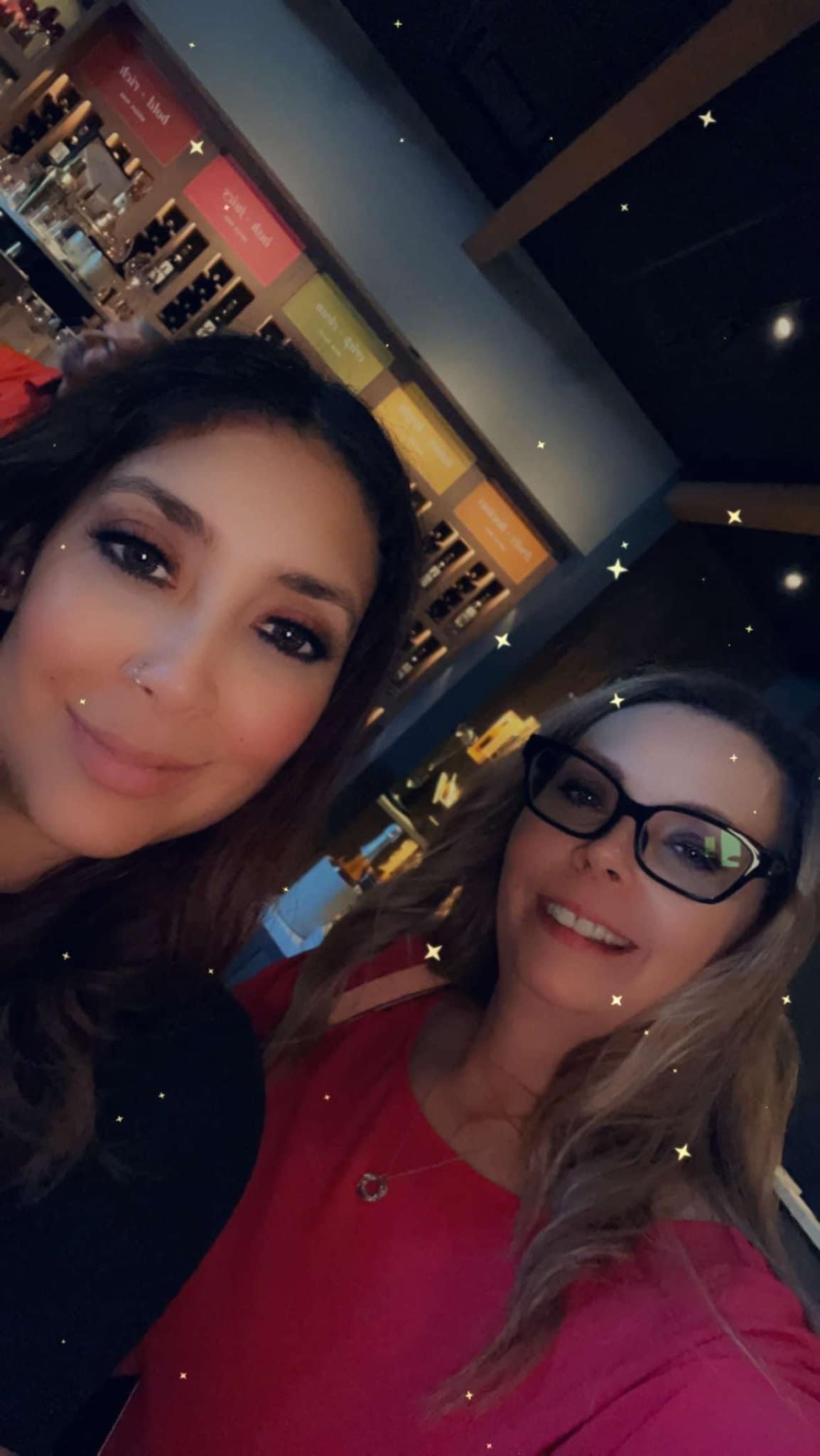
Ganessa, 33, was the first to look for an opportunity that would fit with her already busy schedule. A mom of one son and two teenage step-sons, she’s a sales manager for a senior living community and is finishing her second master’s degree (This one in psychology to go with a master’s in health administration.)
She’d heard of the Red Cross; a family member is a blood donor and big booster of that service. But it was an ad on television that prompted Ganessa to go online and learn about all the other things the organization does with volunteers.
“Wow, I could do something like that,” she said when she read about helping people in her own community who are struck by disaster.
Ganessa felt that becoming a disaster caseworker would fit her skillset and her schedule. Caseworkers work one-on-one with individuals and families after a disaster to help them sort out their needs, offer what assistance the Red Cross can provide and refer them to other community resources.
During 2024, volunteers opened 1,743 cases across the Red Cross northern Ohio region.
It occurred to Ganessa that casework might be just the thing for her mom too.
“I suggested the Red Cross to my mom,” she said. “It’s something she can do in her spare time.”
There’s a backstory to that “spare time” comment. Jennifer has been coping with the loss of three close family members within the past few years –- including her son from COVID. She admitted that having a way to help others in their time of distress would be good for her, too.
She was pleased with the wide variety of “jobs” the Red Cross offers volunteers. “They were so flexible,” she said, “so I felt comfortable to step forward.”
Jennifer, 52, worked as a U.S. census counter for 10 years and more recently has worked for Child Protective Services, so she’s comfortable talking — and listening — to people.
After completing online coursework focused on Red Cross disaster principles in general and casework in particular, Ganessa and Jennifer are “shadowing” an experienced caseworker, learning how help happens in real life.
“Here in northern Ohio and southeastern Michigan, the Red Cross responds to more than four local disasters every single day,” said Deb Pressley, Red Cross disaster program manager for the northwest counties of our region. “Dedicated, trained volunteers like Jennifer and Ganessa are ready to bring comfort and hope to our neighbors in the dark hours and days after disaster strikes.”
Jennifer is looking forward to that role. “I would want somebody to help me if I needed it,” she said.
If you’d like to find out more about the many volunteer opportunities with the Red Cross, visit here for more information.
Edited by Glenda Bogar, American Red Cross volunteer
 NOHredcross