Diverse blood supply is more important than ever

By Eilene E. Guy, American Red Cross volunteer

Volunteers are the lifeblood of the American Red Cross. And by extension, volunteers provide lifesaving blood and blood products to millions of people across the nation every year.

This chain of generosity begins at the local level, at an average of 500 blood drives and blood center collections every day. Last year, the Red Cross sent more than 6.3 million blood products to some 2,500 hospitals and other health care facilities.
But in the past two decades, the number of Red Cross blood donors has fallen by about 40%, with a significant drop among those between 16 and 22. As our national population ages and becomes more diverse, building the next generation of donors is critical.  

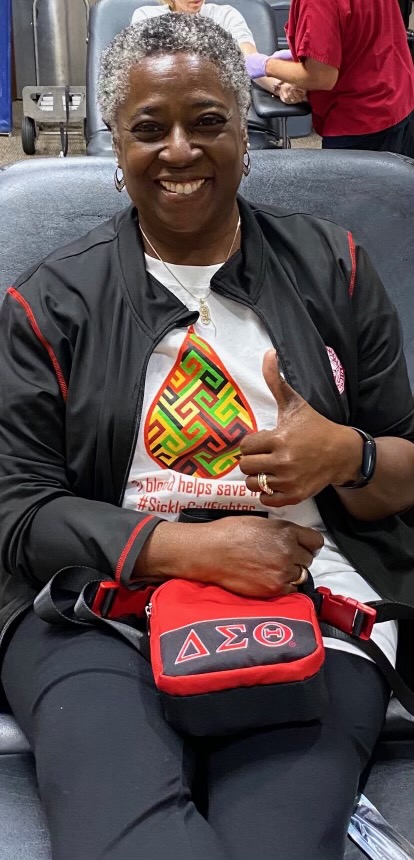
The University of Akron alumni chapter of Delta Sigma Theta, a sorority of scores of African American women, is helping meet that need by sponsoring blood drives.

Earlier this month, their event netted 30 units of blood, which will go to treat as many as 90 patients.

Drives like these are vital to maintain a stable supply of blood for trauma victims, surgery and cancer patients, fragile newborns and those with medical conditions such as Sickle Cell Disease (SCD). This hereditary condition can be life threatening: It leads to anemia (shortage of red blood cells), causing fatigue, organ damage and periodic severe pain, known as a sickle cell crisis.

Blood transfusions from donors of the same or similar ethnicity and blood type are the most effective way to treat a sickle cell crisis. Since most people with SCD are of African descent, blood from Black donors is the gold standard for treatment. In fact, one in three African American blood donors is a match for a patient with sickle cell disease.

As a northern Ohio district manager for Red Cross blood services, Sabrina Spikes works to recruit and educate a larger, broader base of blood donors, including the Black and African American, Latino and LGBTQ+ communities.

“It’s a testament to the work of Delta Sigma Theta that they sponsor at the University of Akron,” she told me. “We need to have diverse partners, to do more education.”

Education is two-pronged:

  • Reaching more people from all racial and ethnic groups to explain the importance of a diverse blood supply. “We know the number one reason people don’t donate blood is that they haven’t been asked,” she said. “We need to explain why a diverse blood supply is important.”
  • Preparing potential donors to have a successful donation experience, by getting them to drink plenty of water and eat iron-rich foods. “Cutting down on caffeinated beverages that slow the absorption of iron – coffee, tea, sodas – helps cut the deferral rate of donors, especially African American women,” she explained.    

To learn more about why a diverse blood supply is so important, tap here. And, to find where you can donate and to make an appointment, go to redcrossblood.org. Someone needs you!
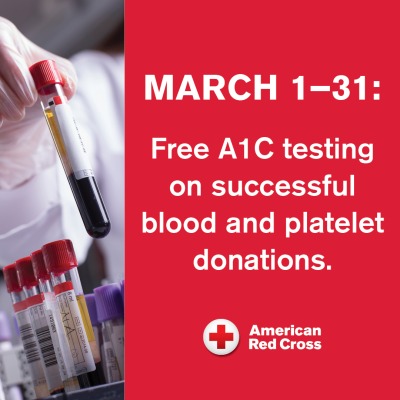
Donate Blood in March and receive a free A1C screening

By: Kathryn Dean, American Red Cross volunteer

The American Red Cross of Northern Ohio is helping to bridge access to health care for blood donors by providing free A1C testing, commonly used to screen for diabetes and prediabetes, on all successful blood, platelet and plasma donations in March.

One-third of people lack access to regular primary care in the U.S., where diabetes affects 1 in 10 people and nearly a quarter of those living with it have been undiagnosed, according to the Centers for Disease Control and Prevention (CDC). The free A1C screening aims to help address this gap by empowering blood donors with valuable information to maintain their health and well-being.

What is the hemoglobin A1C test?  This is a common laboratory blood test that doctors use to help diagnose diabetes or prediabetes. Unlike a blood glucose test (or blood sugar test) which provides an instant snapshot of your current blood sugar levels, A1C reflects the average blood sugar levels of an individual over the past 3 months. This gives doctors a better idea of where your blood sugar typically lies, outside of the daily fluctuations.

Why is this important for me? It is estimated that there are over 8.7 million people in the U.S. living with undiagnosed prediabetes or diabetes. Type 2 diabetes accounts for over 90% of all cases and often remains symptomless until damage has been done. Untreated diabetes can lead to plaque build-up in the blood vessels which in turn puts you at greater risk for a stroke or heart attack. The eyes, kidneys, nerves, and skin are particularly vulnerable to the effects of decreased blood flow due to high glucose levels in the blood.  Fortunately, prediabetes is reversible with lifestyle changes, so early detection is key.

Blood donor, Audrey Savage
Photo by Michelle Frankfurter for the American Red Cross

How should I prepare for my donation?  No fasting is required for the A1C test or any other special preparation. Just be sure you are feeling well on the day of donation by getting enough rest, staying hydrated, and eating a well-balanced meal.

When will I get my results? You can expect your results within one to two weeks of your donation. Results will be posted on the Red Cross Donor App or through your donor’s account at RedCrossBlood.org.

What do my results mean?  An A1C test result of 5.7% or above will require follow-up with your primary care physician. Your doctor will be able to diagnose and guide you through an appropriate treatment plan. 

To learn more about the A1C test, pre-diabetes and diabetes, check out this informational page at the Red Cross website HERE. Download the Red Cross Blood Donor App HERE to schedule your next donation and view your donation history and test results.

World Cancer Day: The power of platelets and other blood products

By Ryan Lang, American Red Cross board member and volunteer

I was just a small child when my mom was diagnosed with breast cancer. In fact, most of my childhood she was in remission. That is, until she wasn’t. I was 12 or 13 when it came back more aggressively. I was 16 when she eventually passed away.

Rosalie and Ryan Lang

Trips to the doctor’s office and hospital were commonplace throughout my early teen years. No one doctor visit really stood out. What did stand out were the times my father and my aunts and uncles went to donate platelets on behalf of my mother. I was young and naive and thought they were specifically for mom. I later realized they were donating to replenish the supply of platelets.

Due to their short shelf life, hospitals require a consistent supply of platelets. That’s why donors like my dad, aunts and uncles, and you are critical to helping the American Red Cross replenish that supply.

February 4 is World Cancer Day, a day that touches many of us who have either had the disease or know someone who has fought the tough battle against it. Almost two million new cases may occur this year, according to experts, and blood products will be important for many of these patients in their fight against cancer.

Blood is so important during their treatment that patients fighting cancer use nearly one quarter of the nation’s blood supply — more than patients fighting any other disease. The Red Cross asks you to schedule a time to donate blood now to help cancer patients and so many others.

CANCER PATIENTS NEED BLOOD — THE FACTS

  • One in three people will be diagnosed with cancer during their lifetime.
  • Many of these patients, especially those undergoing chemotherapy, will likely have a need for blood products.
  • In fact, about six blood products are needed every minute to help someone going through cancer treatment.
  • Low blood count is a major side effect of cancer treatment. Some types of chemotherapy can damage bone marrow, reducing red blood cell and platelet production and putting a person at risk for life-threatening infections or bleeding.
  • The cancer itself can cause the need for blood and platelet transfusions by causing internal bleeding or preventing the patient’s body from producing blood cells.
Grady, Krista, Ed, and Dylan Fink

My friend Dylan and his family know the importance of blood and platelet donors. At just 14- years-old, Dylan was diagnosed with non-Hodgkin lymphoma. He’s in remission now, but that hasn’t stopped him and his family from paying it forward and organizing their own blood drives through the Red Cross.

Some cancer patients require more blood products than others. That was the case with Casey, who discovered she had cancer when she was ten weeks pregnant. She said, “Giving blood helps not just the person receiving it, by helping with their disease, but it truly helps that person’s family and friends as well.”

To find out more about donating platelets, click here. And, to schedule your appointment to give blood, visit RedCrossBlood.org, call 1-800-RED CROSS or download the free Red Cross Blood App.

Posted by Ryan Lang, Red Cross board member and volunteer